THANK YOU VETS
Purina Pro Plan | Immersive Experience Proposal

February 19th
Intro video: updates
Stimulus video: updates
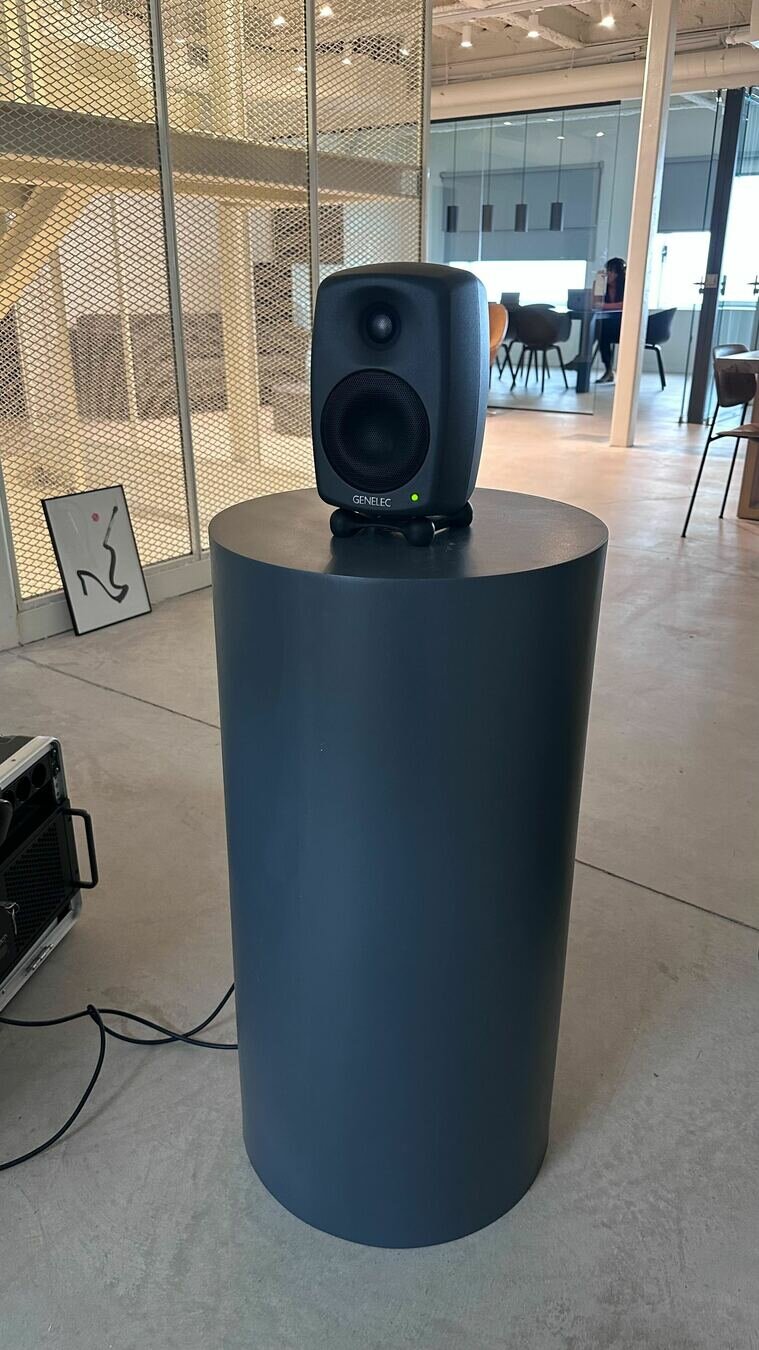
Speakers
THANK YOU VETS
Purina Pro Plan | Immersive Experience Proposal
February 12th
Intro video: updates
Stimulus video: updates
Final video: updates
THANK YOU VETS
Purina Pro Plan | Immersive Experience Proposal
January 29th
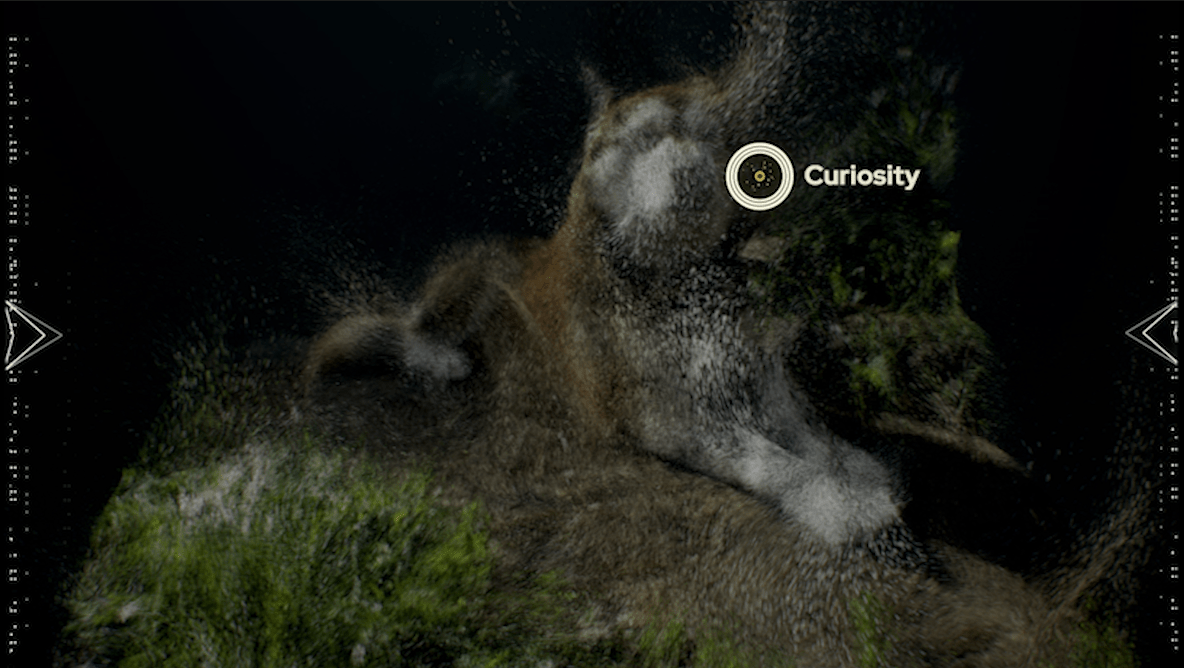
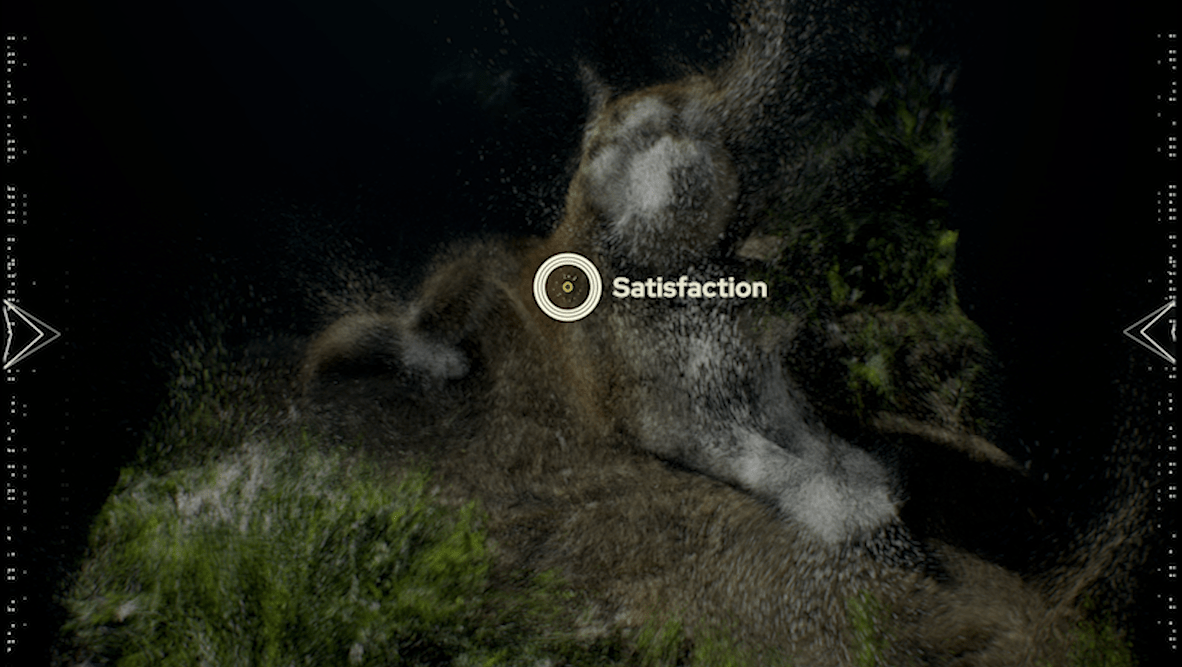
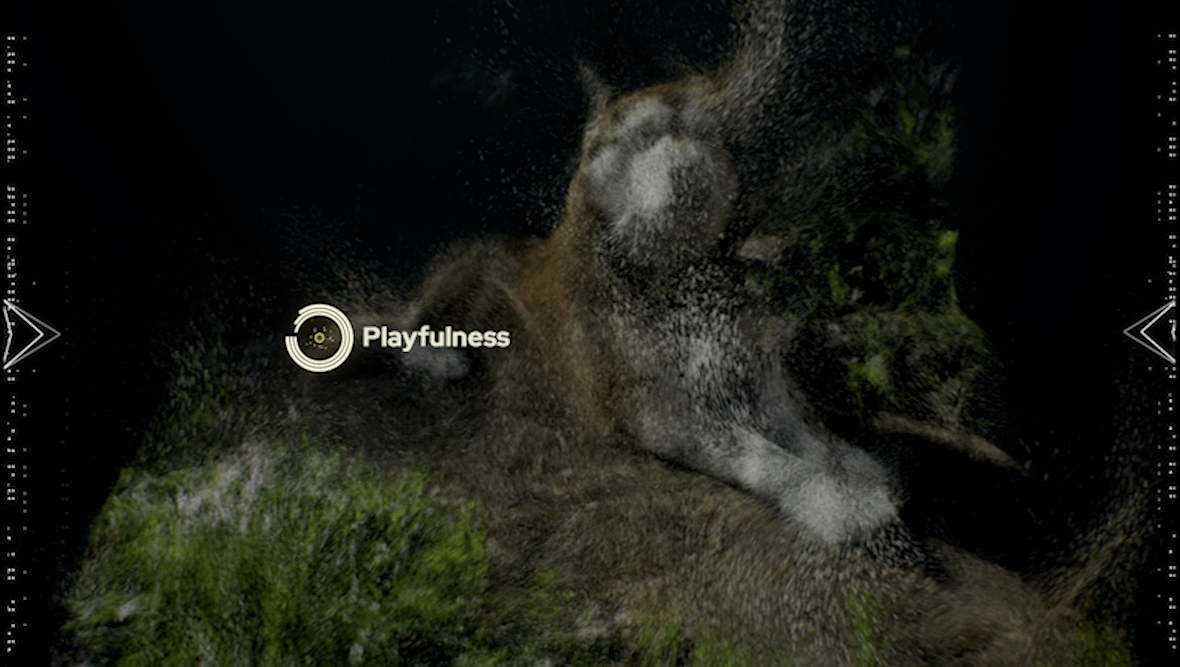
Stimulus video: new proposal
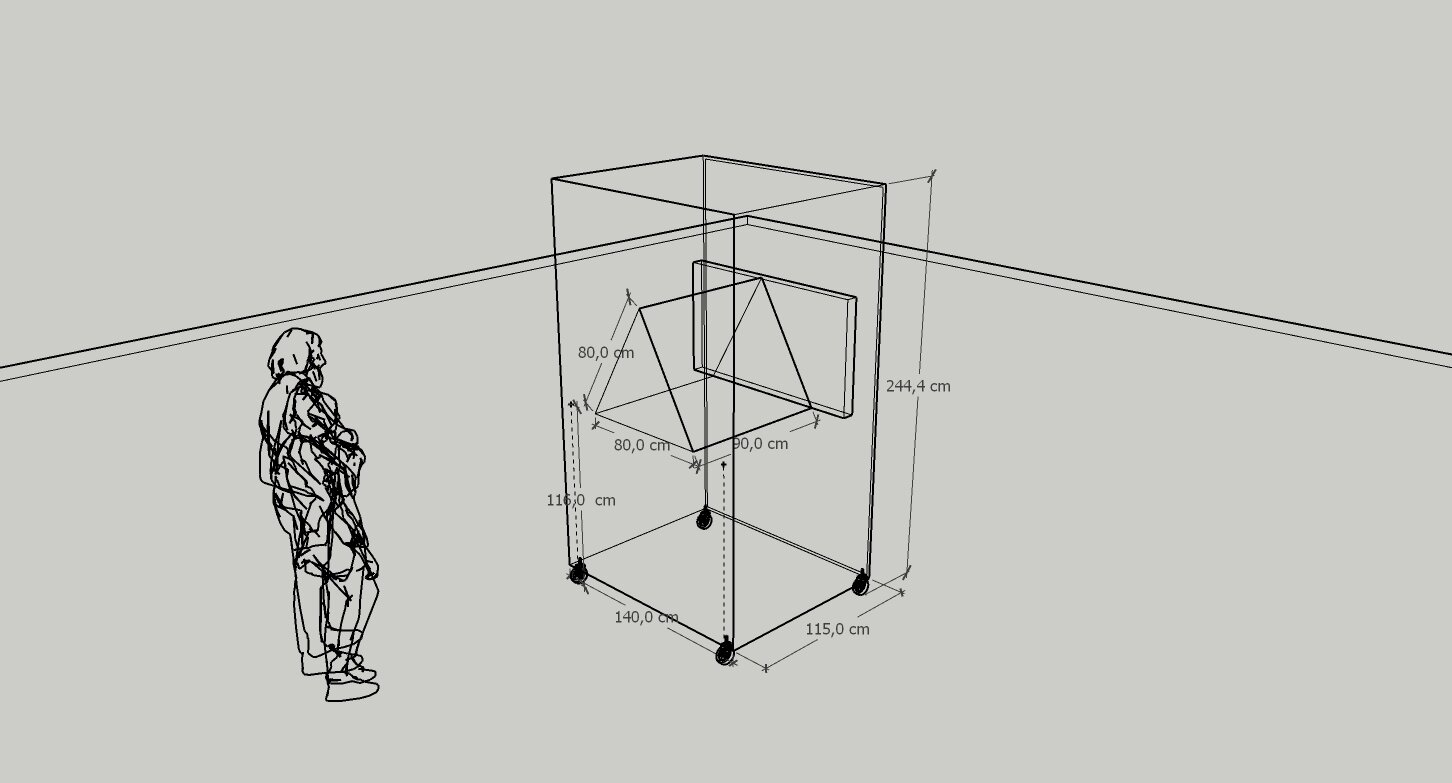
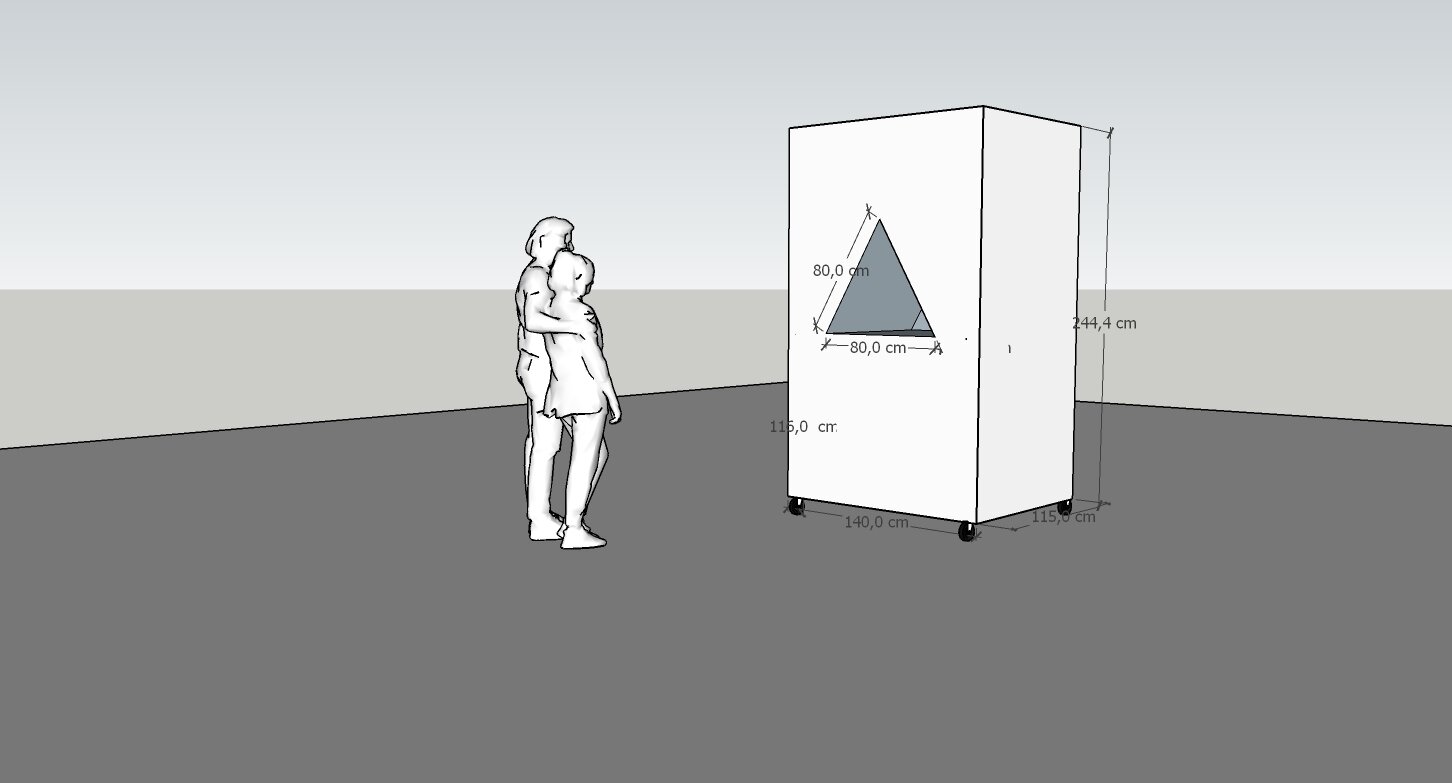
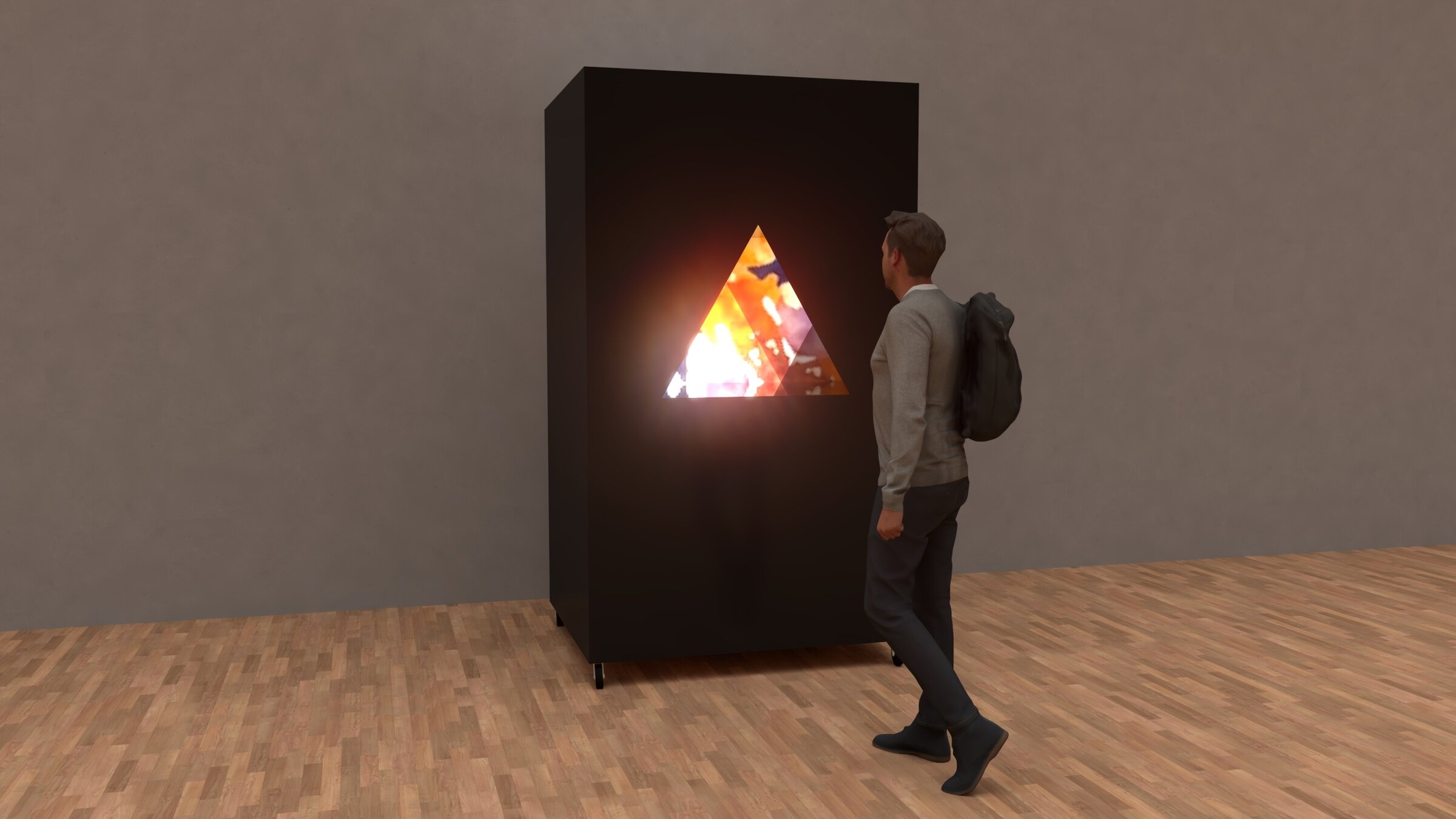
Kaleidoscope structure: new proposal
THANK YOU VETS
Purina Pro Plan | Immersive Experience Proposal
January 22nd
Stimulus video: new proposal
THANK YOU VETS
Purina Pro Plan | Immersive Experience Proposal
January 15th
Stimulus video: new proposal
With text at the end.
Without text at the end.
THANK YOU VETS
Purina Pro Plan | Immersive Experience Proposal
December 15th


Portable kaleidoscope: cocoon version
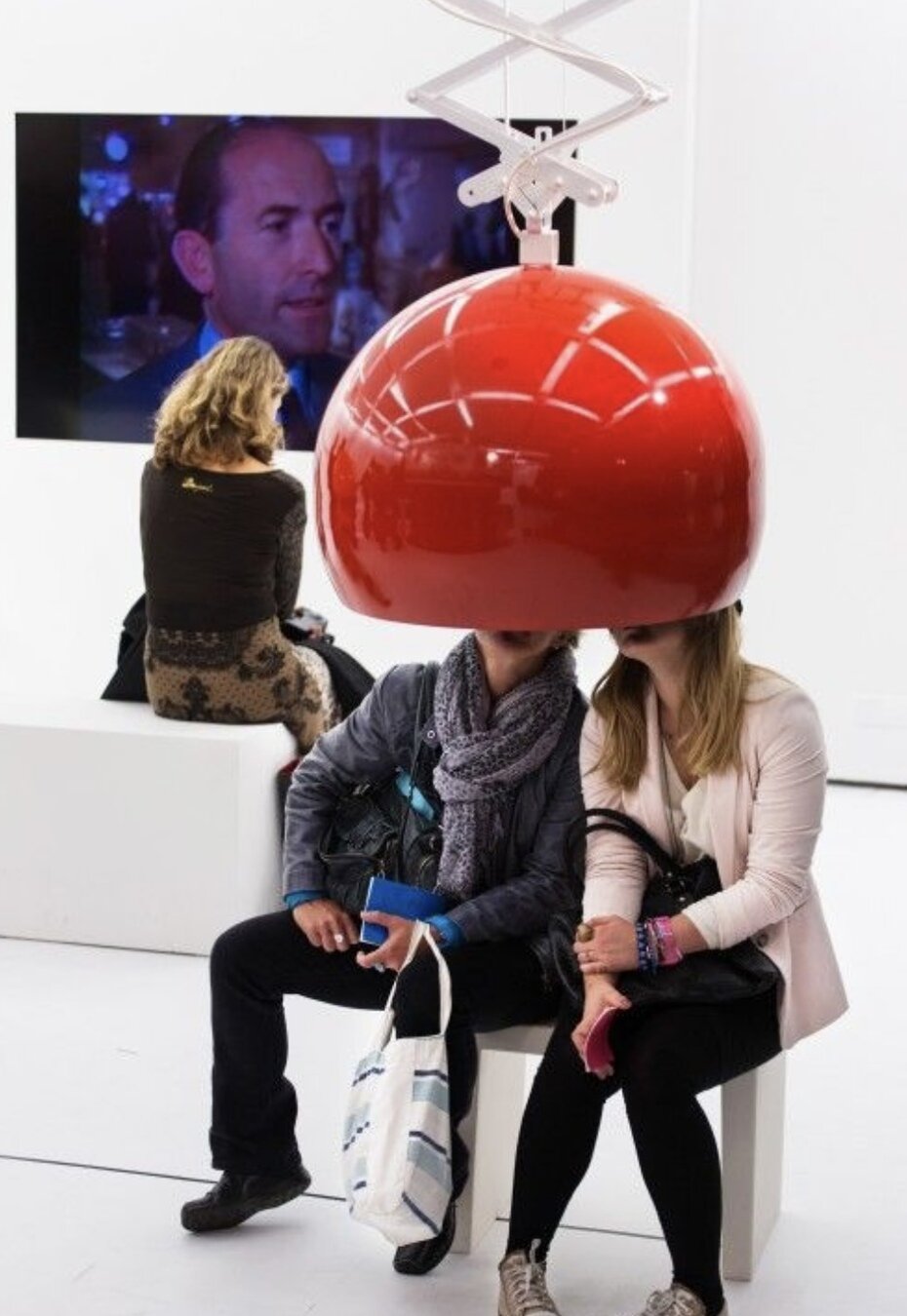
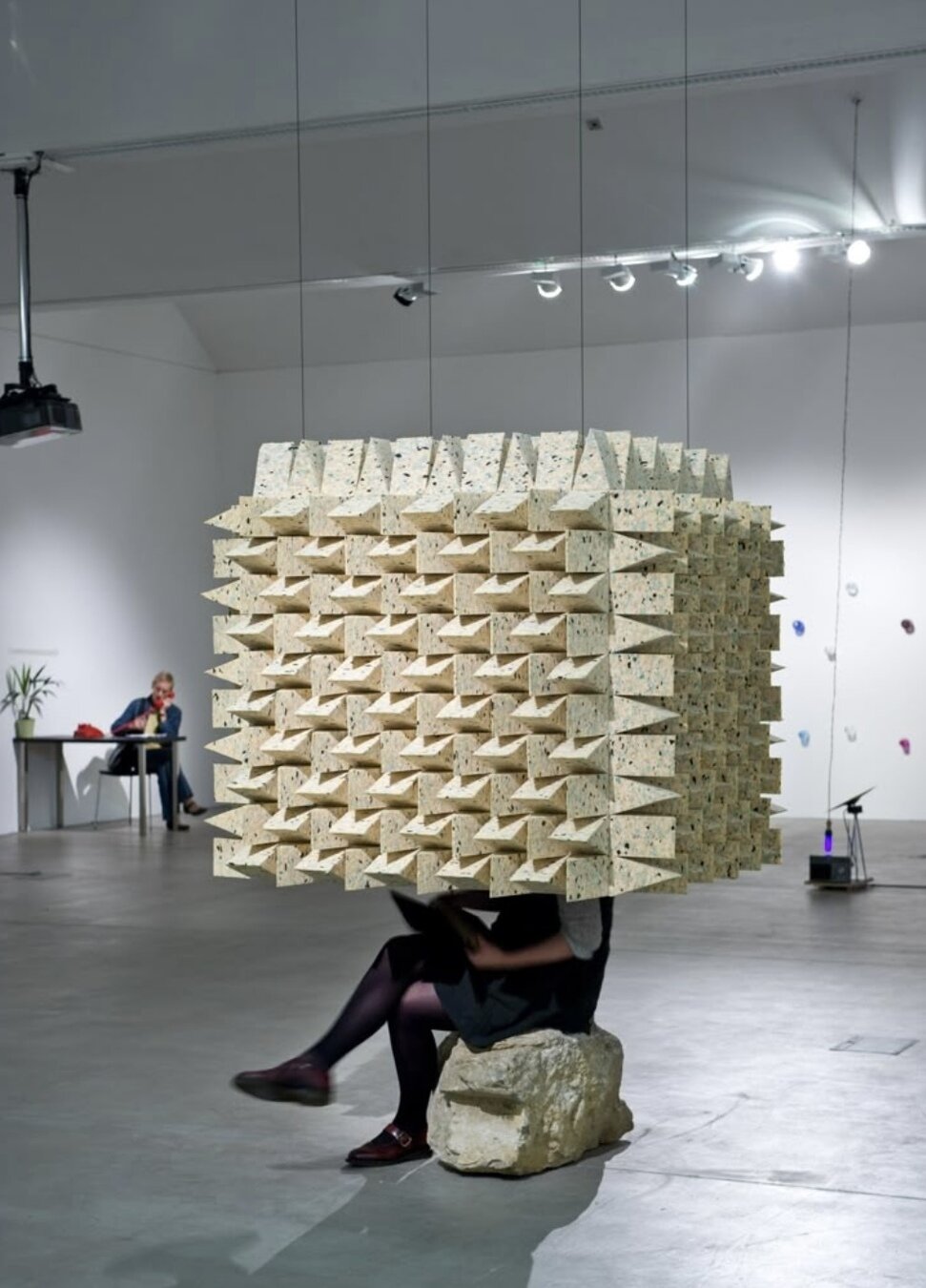
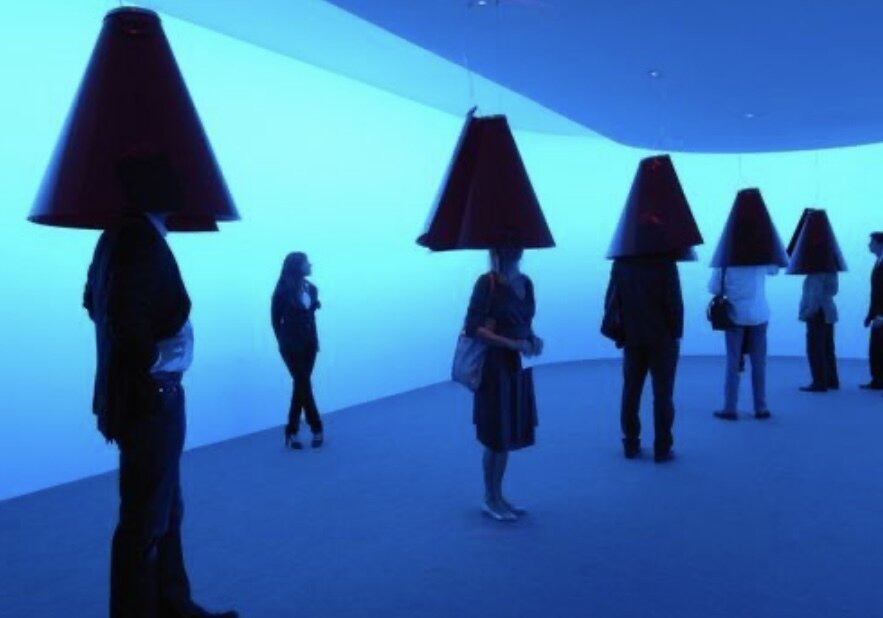
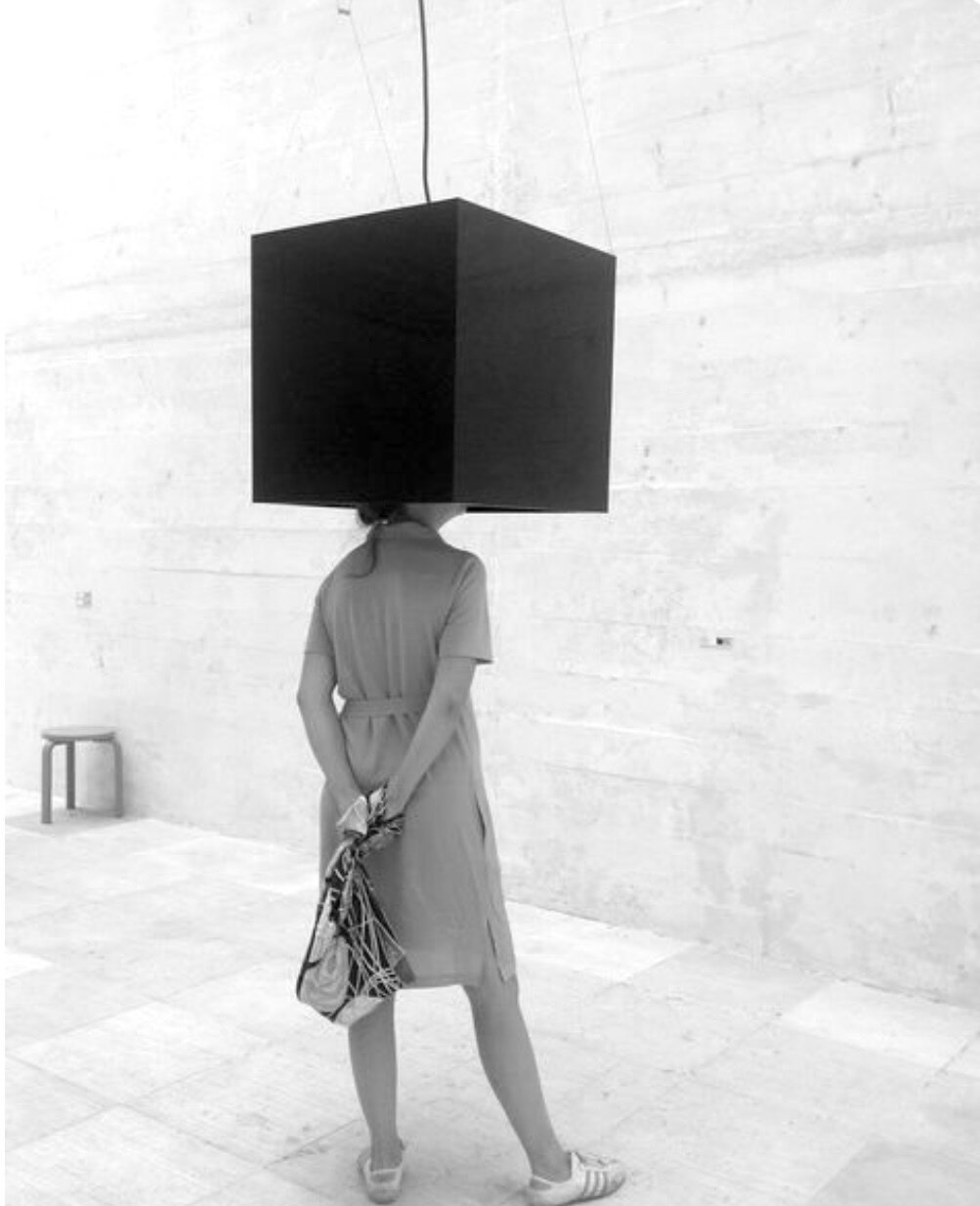
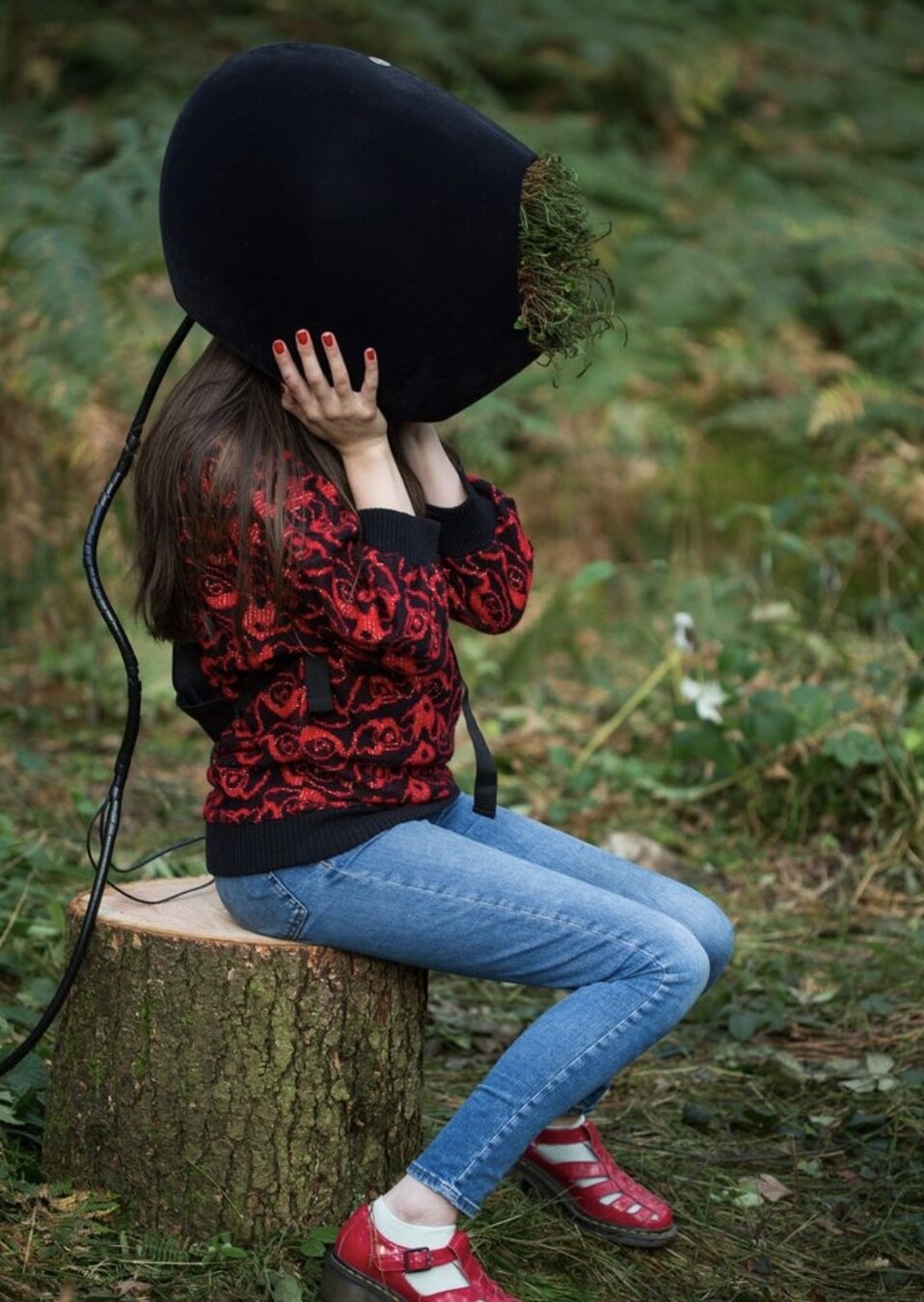
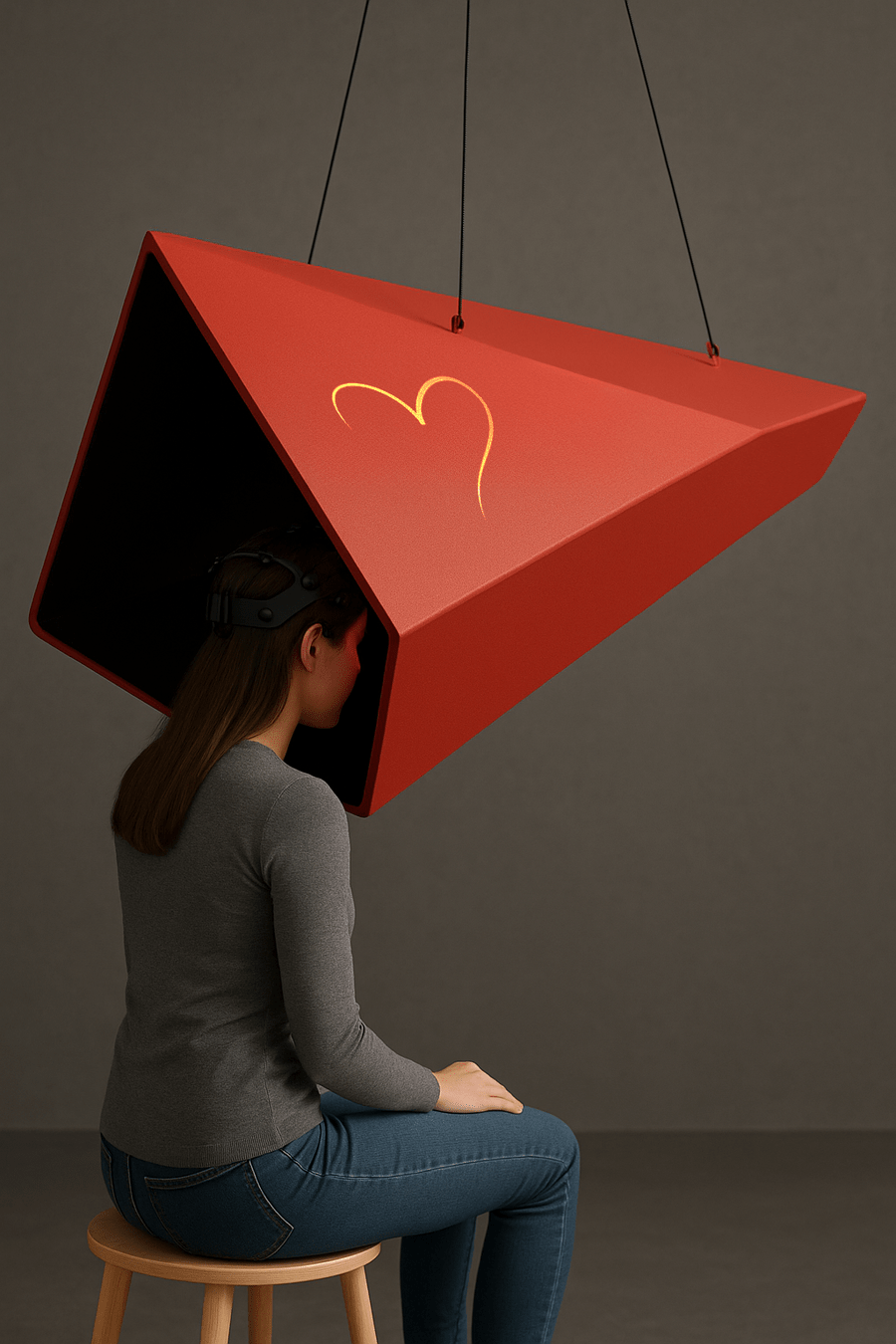
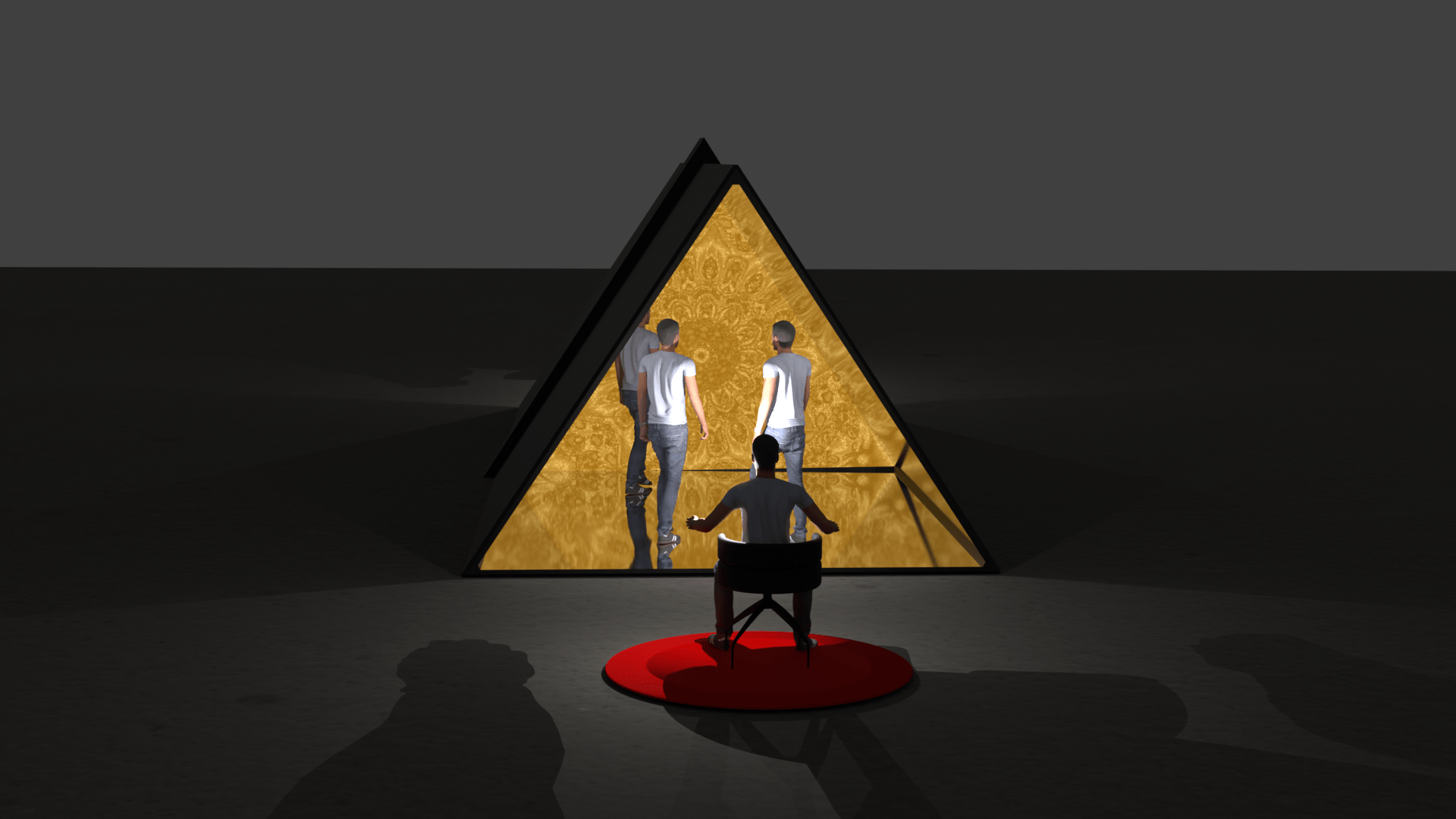
This concept presents an immersive piece designed as a suspended triangular kaleidoscope, a sculptural structure that blends art, emotional technology, and experiential design. Inspired by contemporary installations and sensorial cocoons, the unit allows each participant to enter an intimate, controlled environment where image, sound, and neuro-interaction come together.
The reference images illustrate a range of formal approaches ( hanging pods, geometric enclosures, immersive viewports, and truss-mounted configurations) that have informed the visual language, ergonomics, and ritualistic intent of the experience. The resulting device clearly evokes the form of a kaleidoscope, reinterpreted as a contemporary object capable of hosting the full sequence of stimulus presentation, emotional measurement, and generative artwork creation.
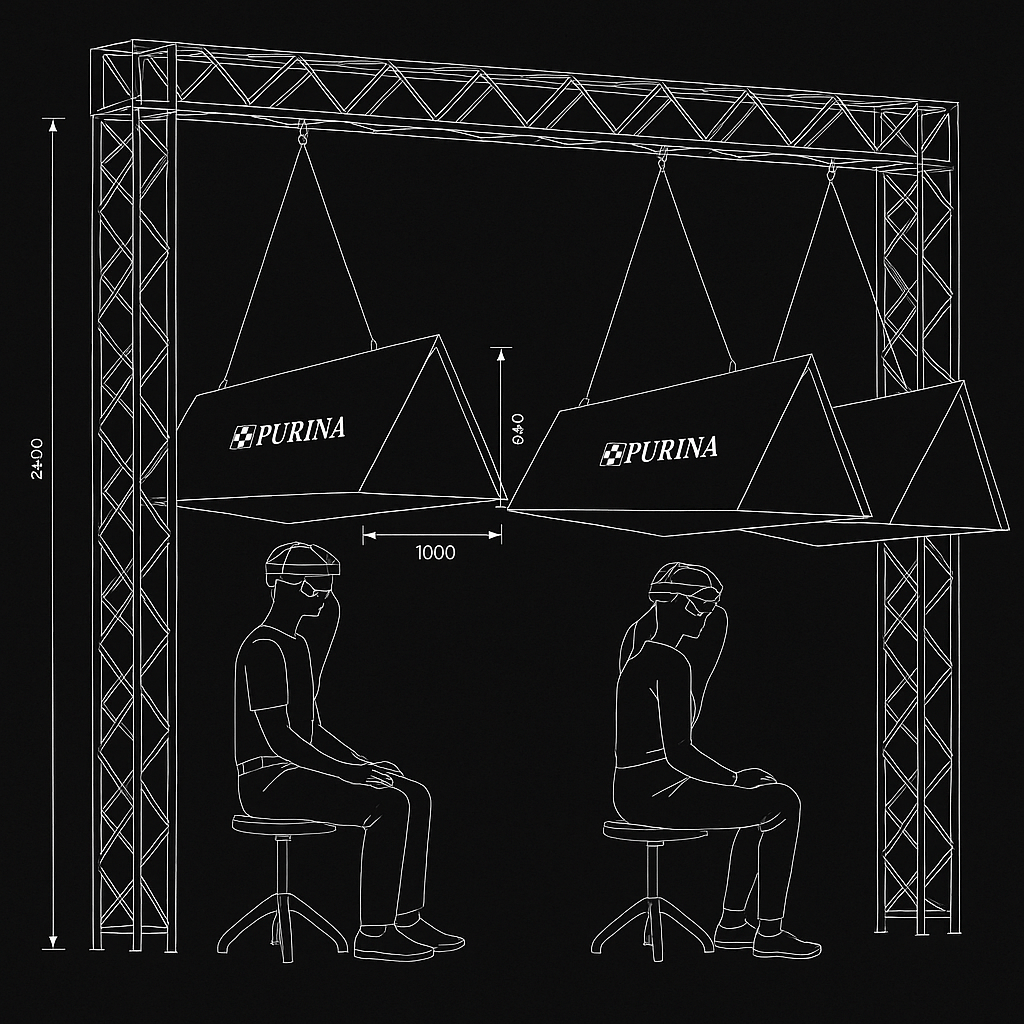
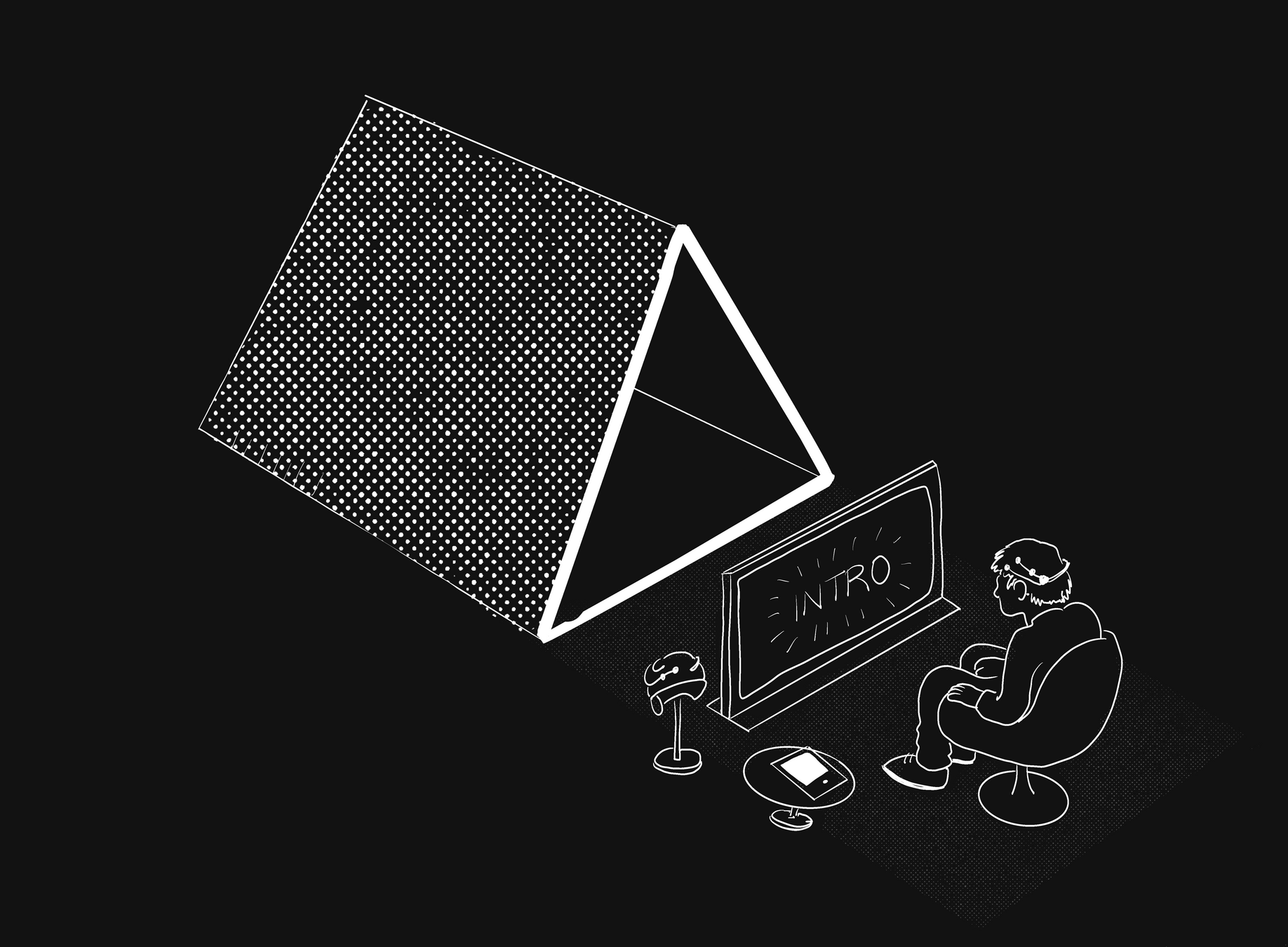
The installation is built around a suspended triangular kaleidoscope pod, clearly identifiable as a prism inspired by the classic kaleidoscope form. Each unit is mounted beneath a 3–4 point aluminum truss at 2.5–3 meters height, from which it hangs via three reinforced steel cables that ensure stability and an optimal viewing position. Participants access the pod using a rotating stool (45–50 cm seat height), allowing them to comfortably put on the EEG headset and then pivot into the viewing opening.
Indicative pod dimensions:
-
Total length: 70–90 cm
-
Triangle base width: 55–65 cm
-
Triangle height: 40–50 cm
-
Front opening: 32–38 cm
-
Distance from floor to viewing aperture: 115–125 cm
Inside the pod, a super-matte black coating eliminates reflections, while triangular optical surfaces or high-resolution displays create a deep, well-defined kaleidoscopic chamber. Integrated audio transducers provide an immersive sound field, and the EEG cabling is fully embedded and discreet.
The full Purina experience unfolds in three stages:
-
Introduction: soft light and ambient sound to establish presence.
-
Stimulus video: emotionally driven audiovisual content synchronized with real-time EEG input.
-
Generative moment: the kaleidoscope becomes a living canvas, displaying the artwork generated from the participant’s emotional signature.
The system is modular, allowing a single truss to support two, three, or more units spaced 1–1.2 meters apart, increasing visitor throughput and enabling simultaneous experiences in compact or high-traffic environments.
Portable kaleidoscope: proposal
THANK YOU VETS
Purina Pro Plan | Immersive Experience Proposal
November 24th
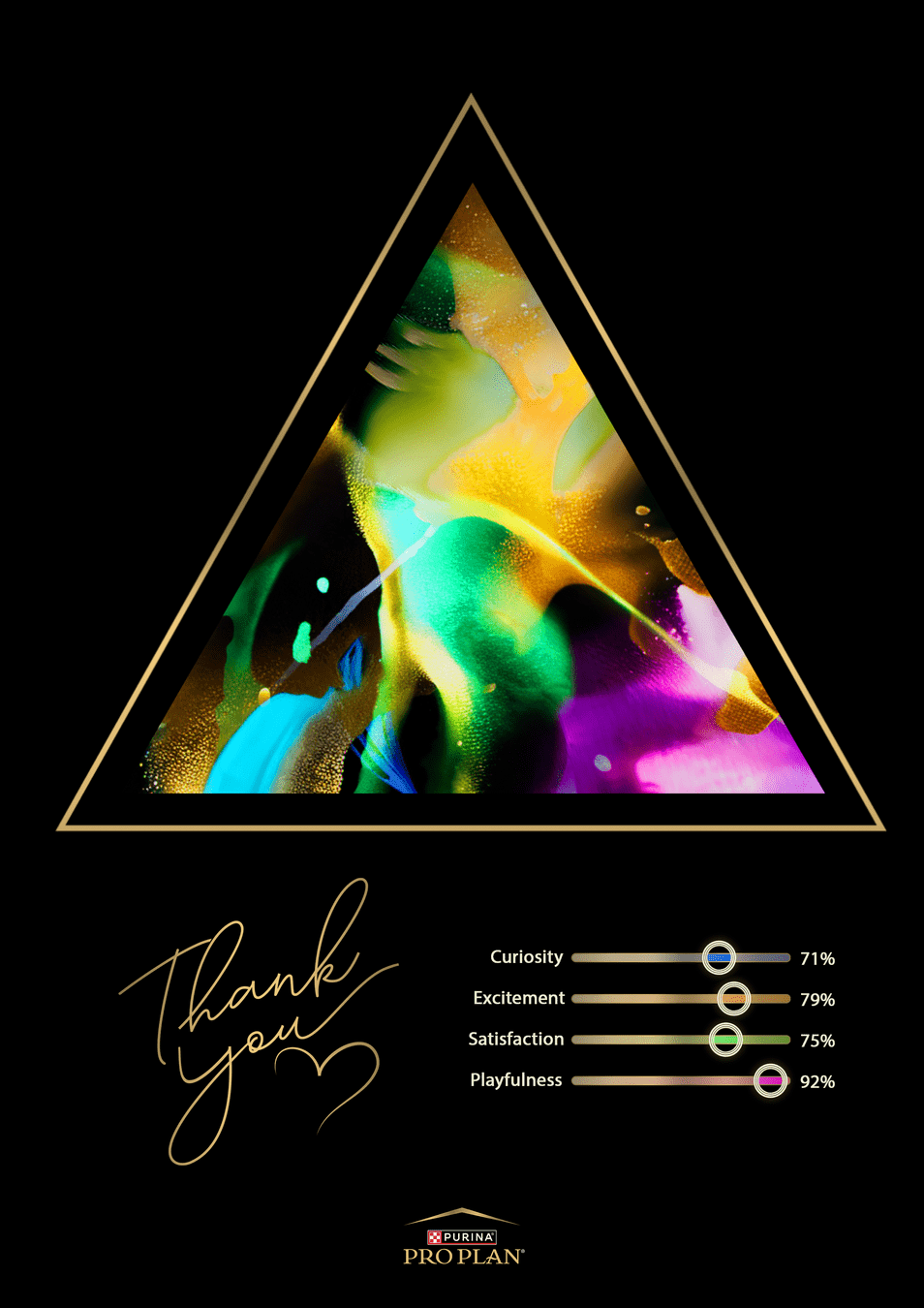
Artwork print: proposal
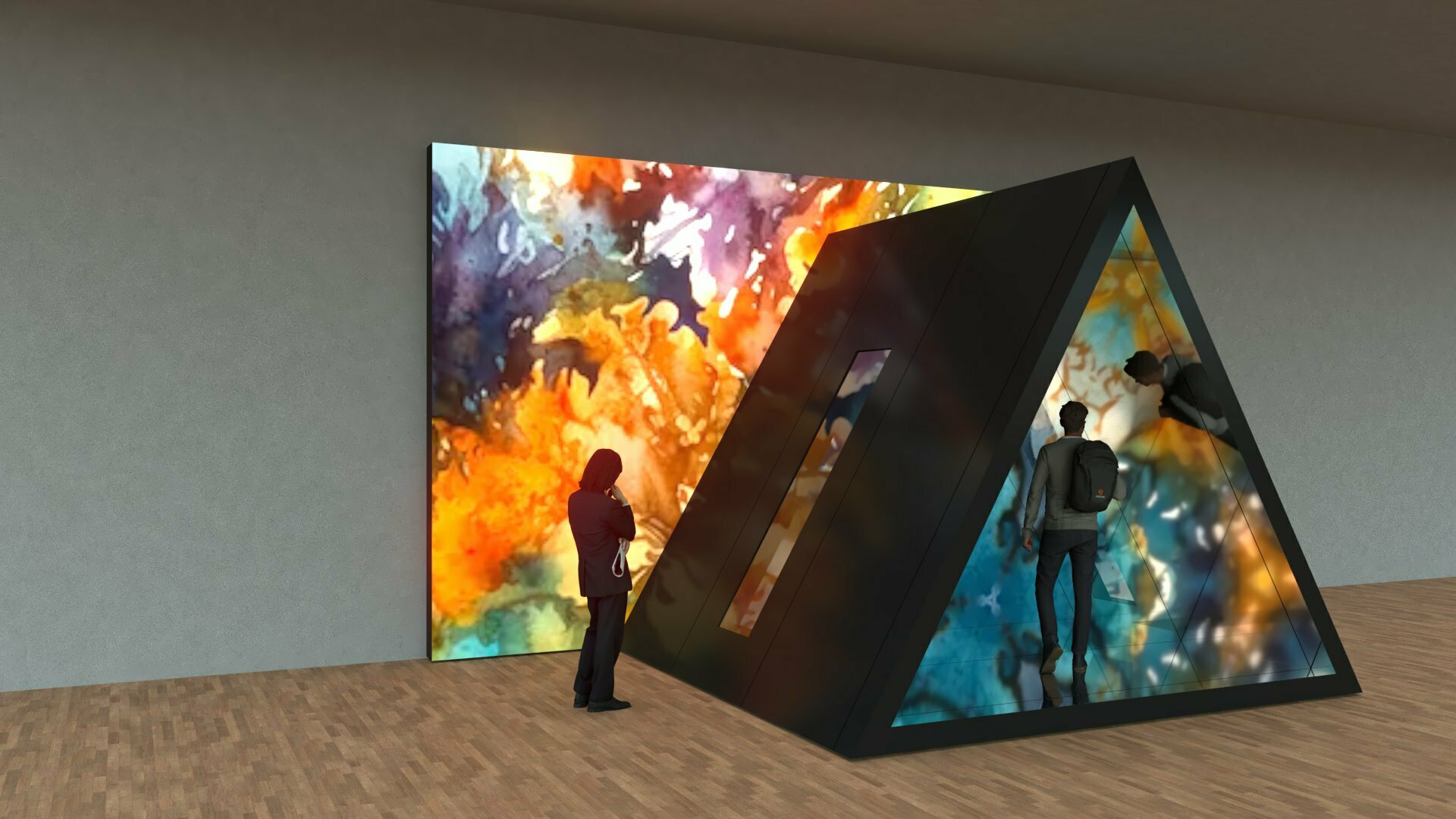
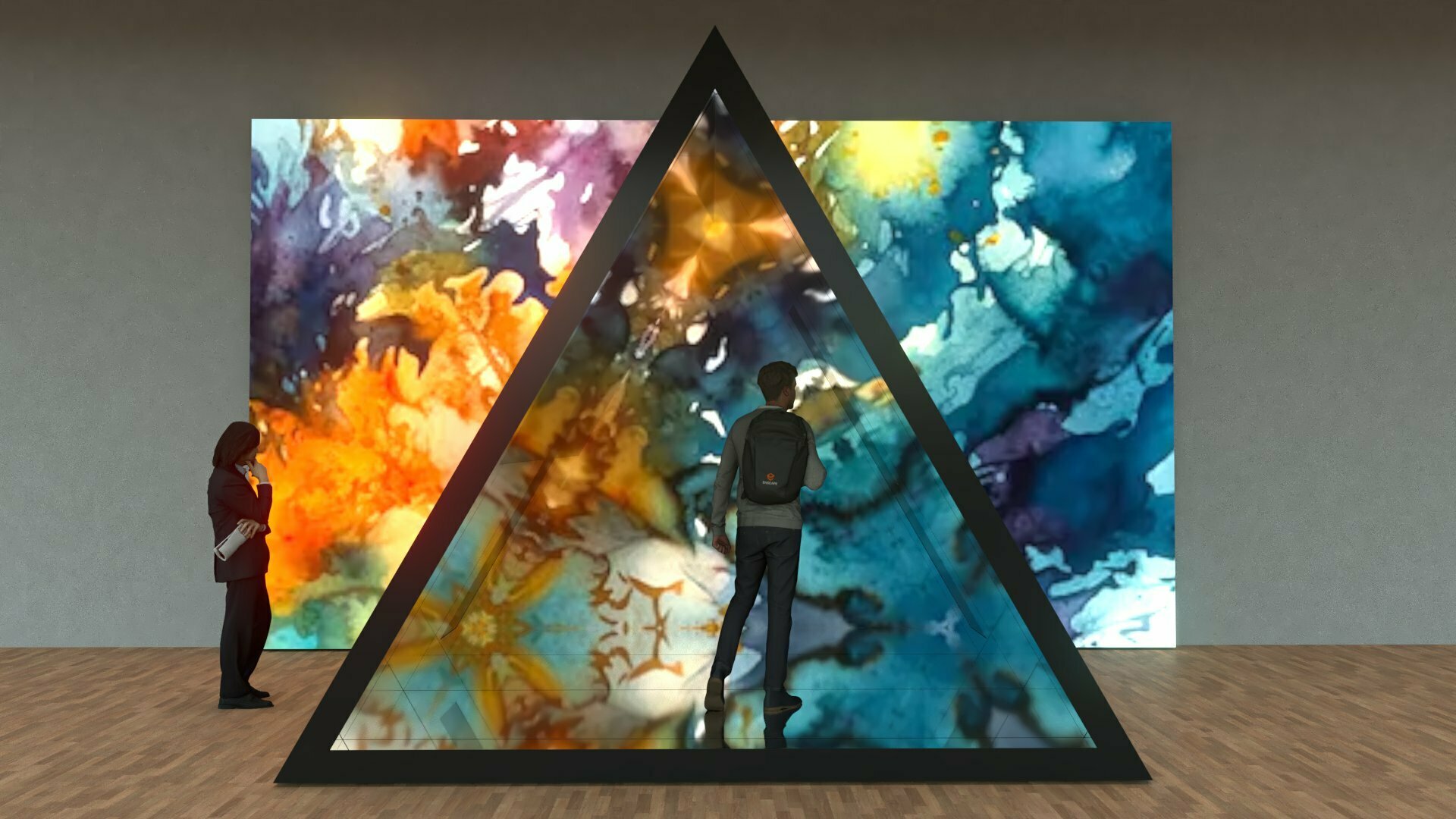
Final caleidoscope structure
Dimensions:
3,90m height & width x 3,50m depth
Composed of:
· 3 structural units forming a triangular shape, 3900mm on the exterior side, 200mm thick, and approximately 1100mm in width. These structures will be formed by two sides built as a frame using extruded aluminium profiles with a 40x20mm section, and another side (floor base) made from 19mm thick fire-retardant MDF (Medium Density Fiberboard) board.
· The lateral modules are lined on the inside with 4mm composite mirror panels, and on the outside with matte black composite panels.
· The intermediate side modules will include windows with transparent exterior glass and spy-mirror interior glass.
· Three transport cases will be provided, measuring approximately 4100x1200x800mm, fitted with wheels and capable of supporting loads of +/- 500kg.
Time required at venue for assembly: 1 day (starting once the main LED screen is installed)
Time required at venue for disassembly: half a day
Final caleidoscope structure
Feedback post Stella's visit: to-do list
Items covered within the approved budget:
· Evaluate if we can use headphones during the experience. Test possibilities.
· Evaluate if we can reduce the stimulus video to 1'. See if the data we obtain with the neural headset is sufficient with this reduced version.
· Create a new stimulus video proposal using a different pet, and make it less abstract.
· Adjust the music and SFX to make it work with the new 1' version. No creative changes, just adaptation.
· Reduce the artwork visuals to 1'.
· Add Purina Pro Plan and Thank You logos at the end of the experience.
· Work on a proposal of layout for the print: final artwork + percentages linked to the emotions.
Items requiring budget adjustment:
· Creation of a new intro video, both visually and with a new voice-over recording.
· Creation of a video to introduce after the artwork. Understand if this would just be visual or if we also need a voice-over.
· Music adaptation or any changes related to the creativity of the musical piece created ad hoc for the project. Evaluate if a new version is needed.
· Voice-over recording and adjustement of the SFX for the new stimulus video using a new pet.
THANK YOU VETS
Purina Pro Plan | Immersive Experience Proposal
October 2nd
Full experience: update
THANK YOU VETS
Purina Pro Plan | Immersive Experience Proposal
September 25th
Stimulus: updates
Intro: video update
Calibration: video update
From artwork to final collage: video update
THANK YOU VETS
Purina Pro Plan | Immersive Experience Proposal
September 10th
Timeline
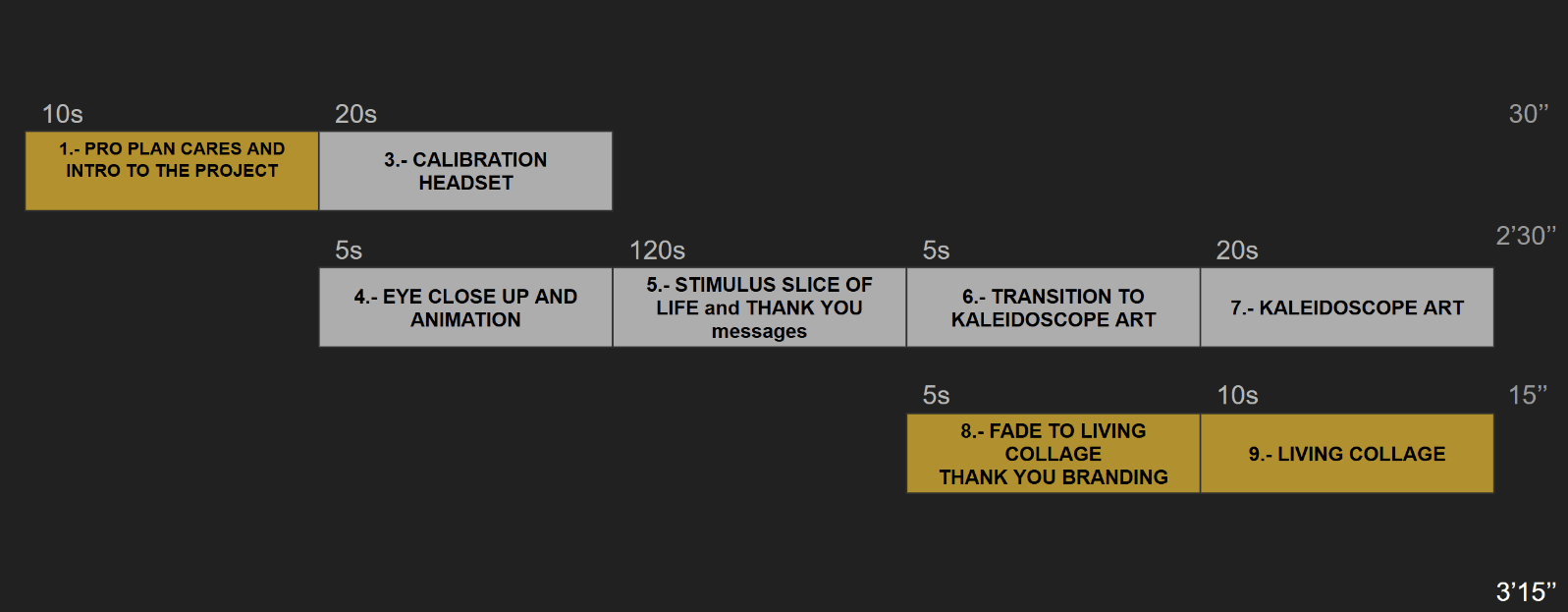
Stimulus: updates
· Sped up the transitions
· Mixed particles and brushes, instead of just brushes
· Maximum of 2'
To discuss:
· Name at the end of the video
· Extra images of dogs and cats towards the end of the video
Introduction: structure
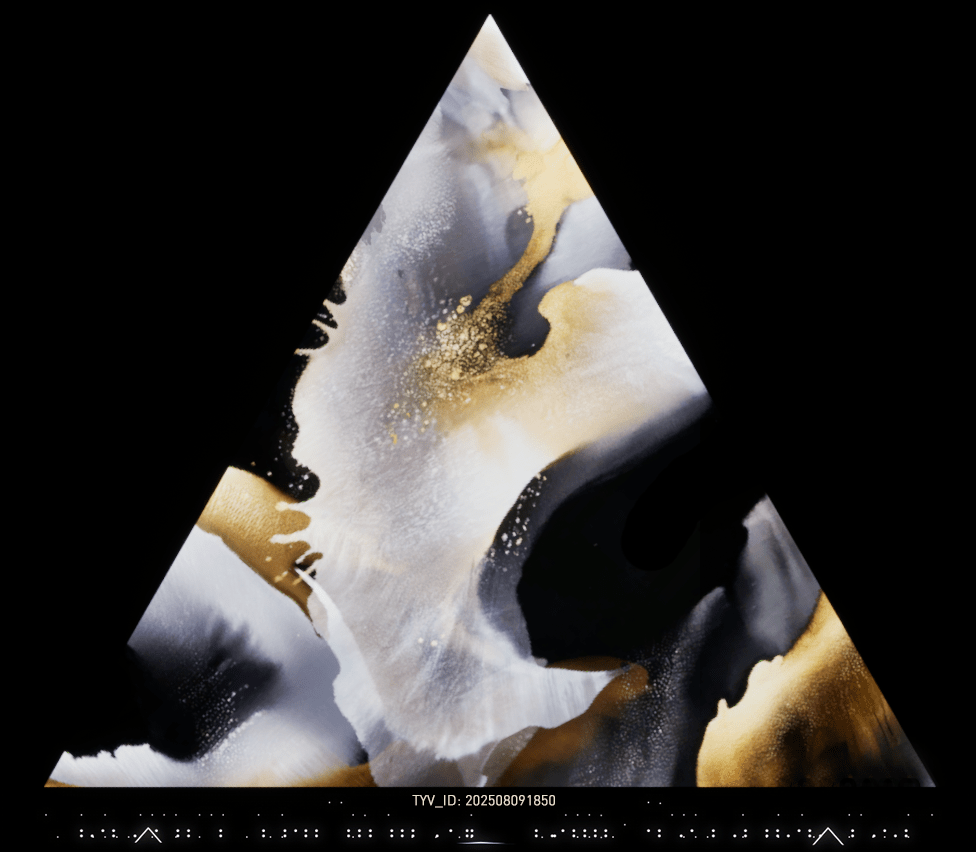
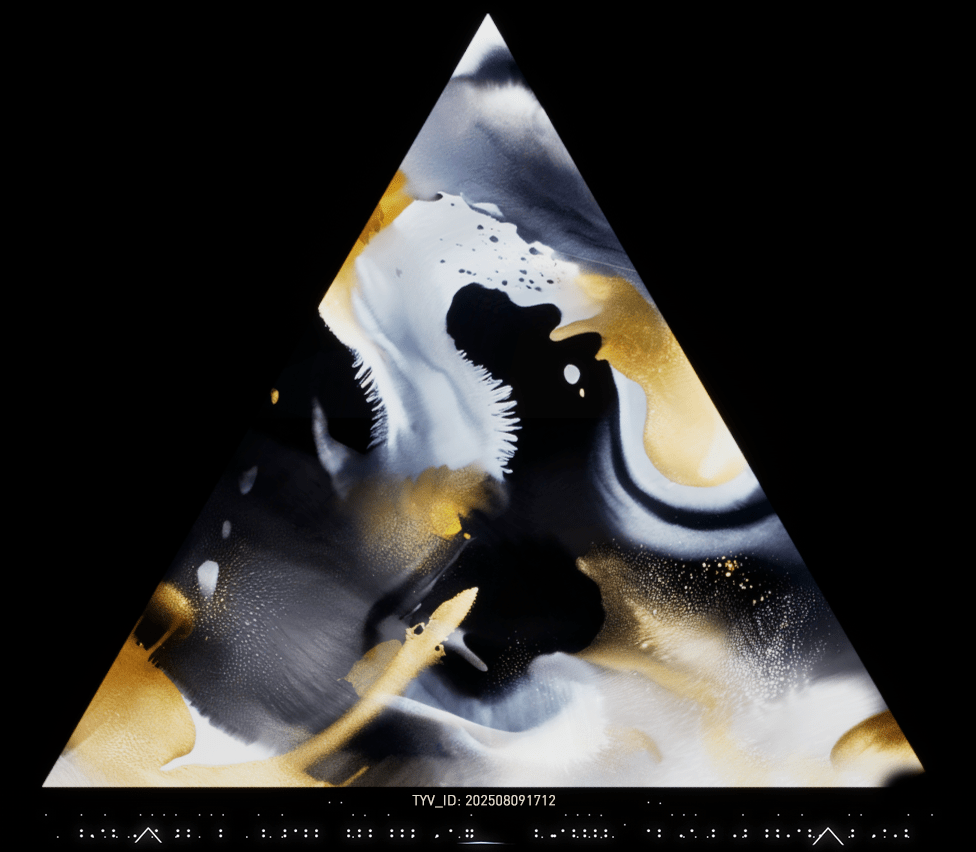
Artwork: updates
THANK YOU VETS
Purina Pro Plan | Immersive Experience Proposal
August 29th
Stimulus: updates
· More presence of images to provide more context
· More messages of gratitude
· Addition of a voice-over to add warmth and emotion to the story and make it more human
Short version
Long version
THANK YOU VETS
Purina Pro Plan | Immersive Experience Proposal
August 7th
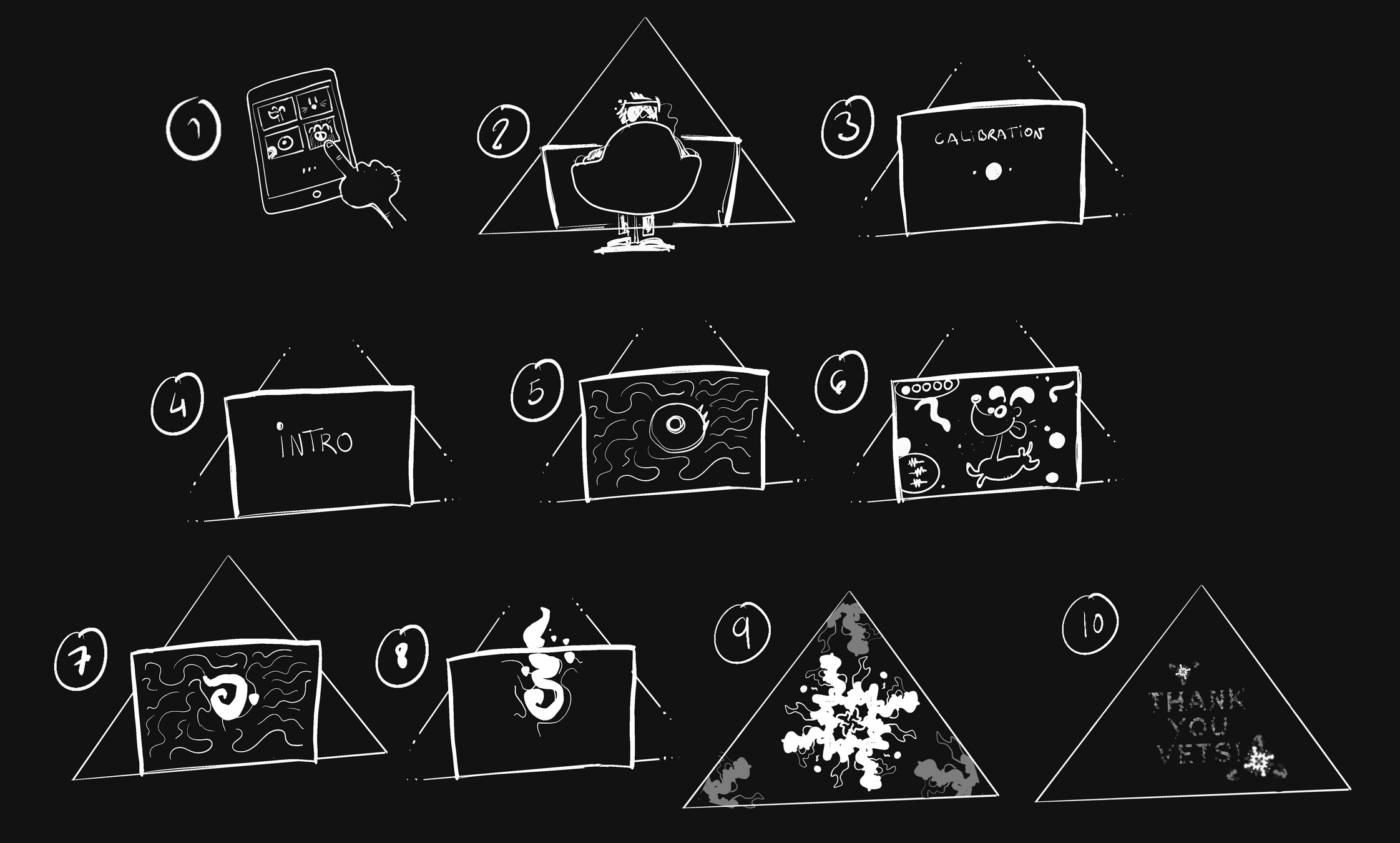
Our visitor's journey
Our visitor's journey
0. Arrival
The visitor is welcomed at the Purina stand with a clear message: "Would you like to take part in an artistic experience generated from your emotions?"
A host briefly explains what the installation is about, the role of the neural headset, and the process that the user will follow:
-
Viewing a real story about a pet and the connection to their vet
-
A real-time reading of their positive emotions
-
Generation of a unique visual artwork displayed inside of a giant kaleidoscope
-
The final piece becoming a small part of a large collective visual
1. Story Selection
The user is handed an iPad, on which they see a visual list with real images (thumbnails) taken from previously collected stories. Each image represents an emotional moment shared between a pet, its family, and a veterinarian.
No text or descriptions are shown — only evocative imagery. The visitor intuitively chooses the one that they'd like to know more about.

Our visitor's journey
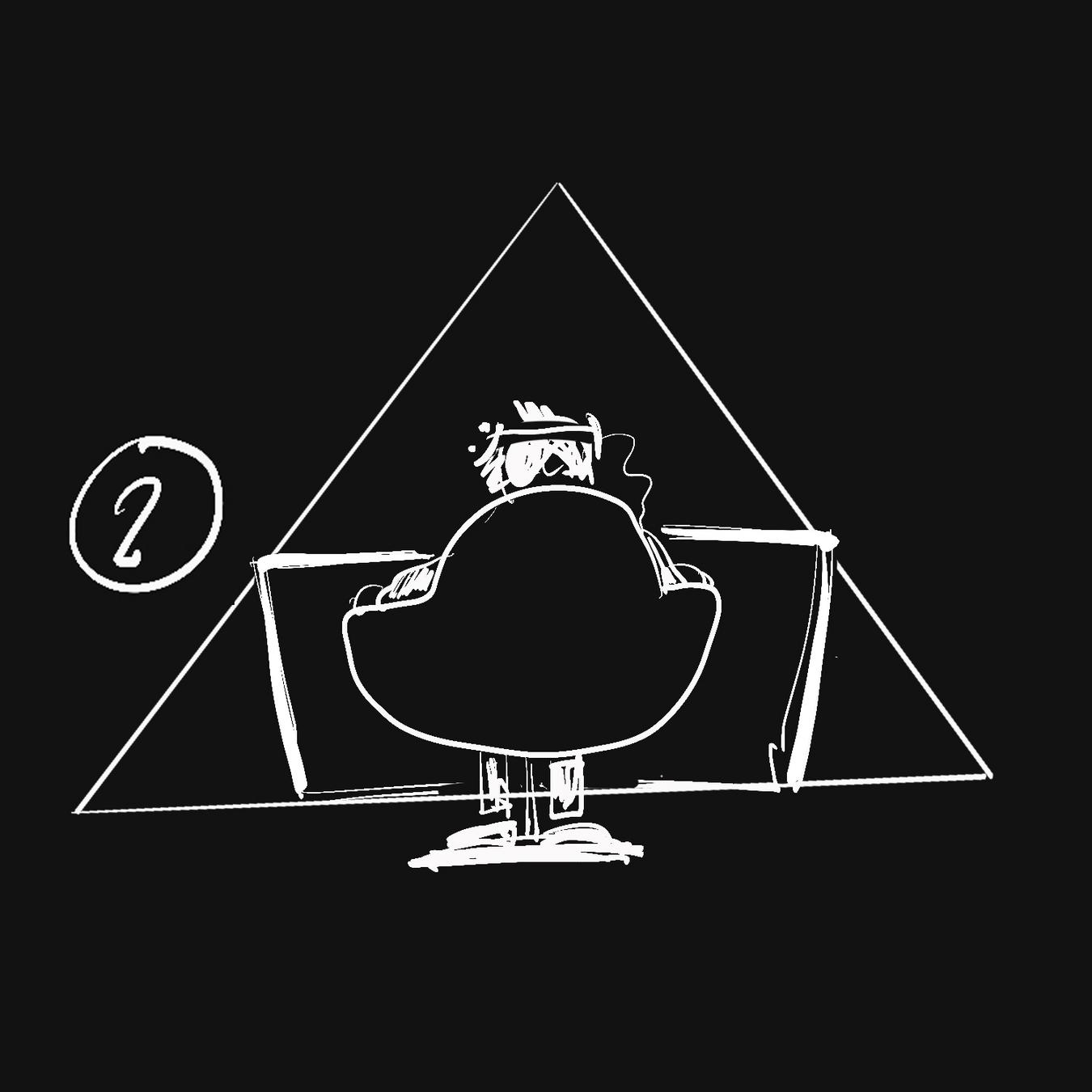
2. Seating and neural headset placement
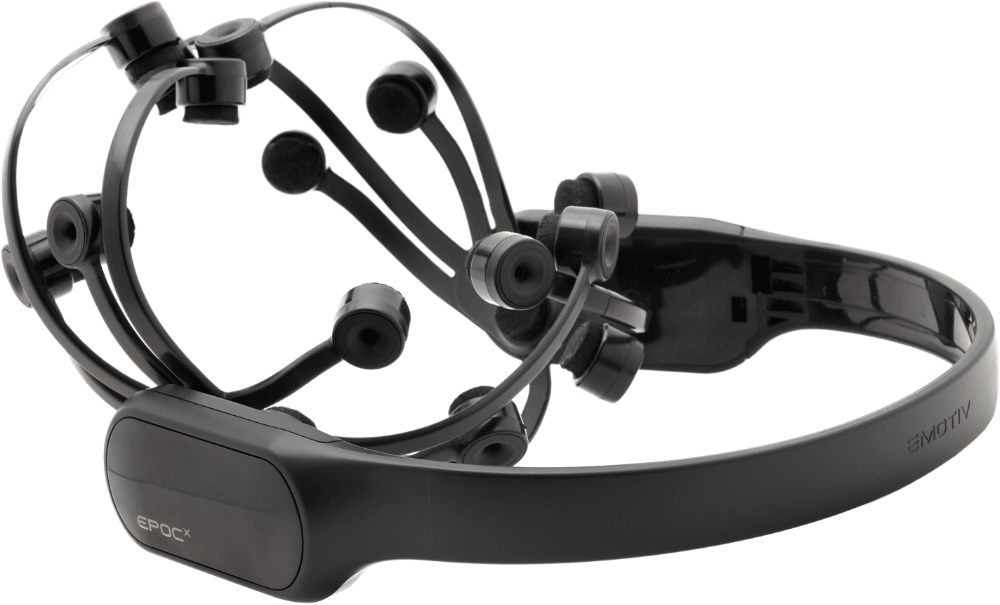
The user sits in front of a large screen and is assisted by the host in placing the neural headset (Emotiv EPOC X style). Connectivity and signal are checked. The visitor is invited to relax and let go.
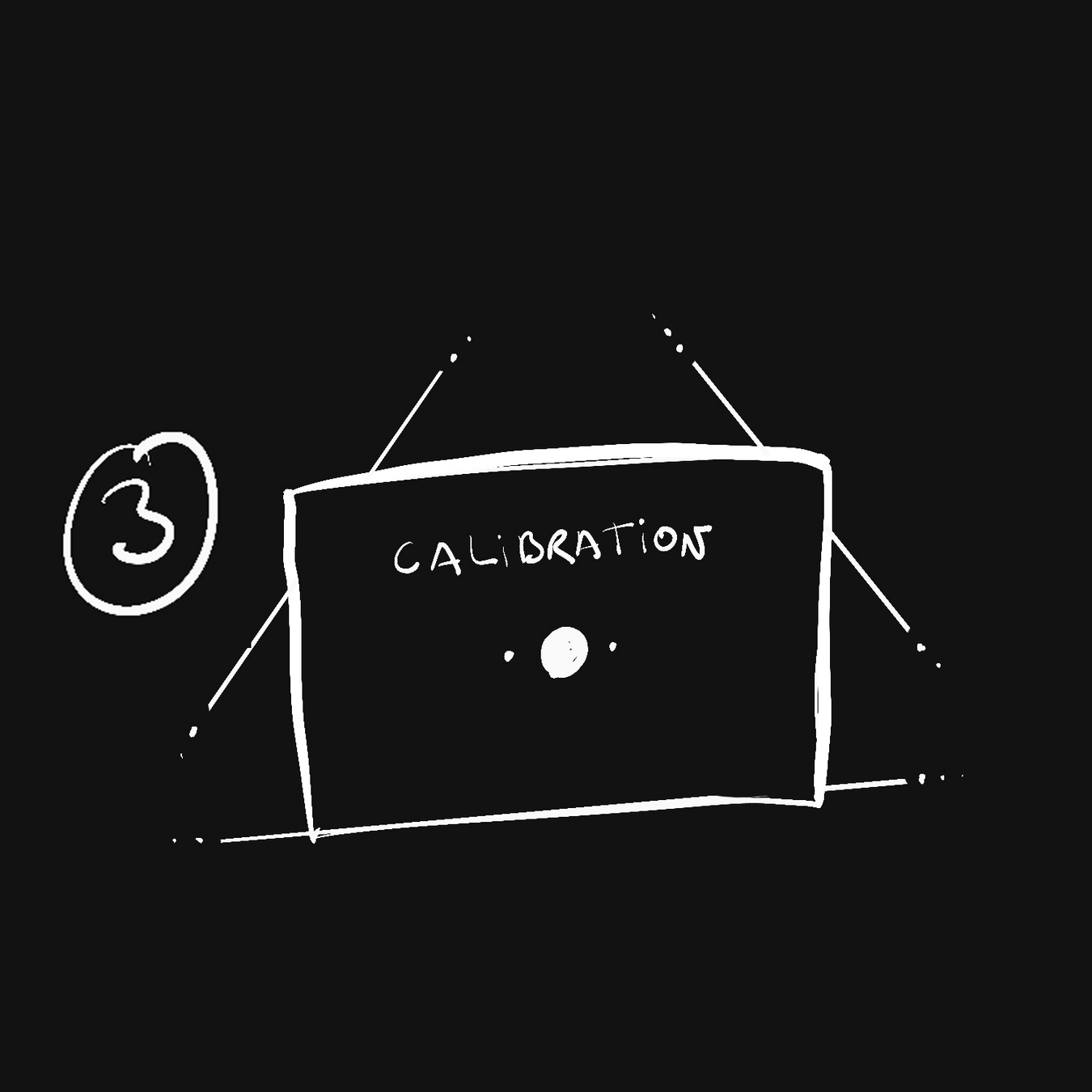
3. Emotional calibration (EEG Baseline Phase)
To obtain an accurate reading of the emotions, a brief calibration is performed:
· The screen displays hypnotic visuals and soothing sounds (30"/1' video)
· A guiding voice leads the visitor into a state of emotional rest
· The goal is to reach a "zero point" to establish an emotional baseline
To ensure the results are readable, we will also share some guidelines that our visitors will have to follow for our system to obtain the most accurate information, such as: Try not to blink too much. Try not to move your jaw. Keep your head as still as possible.
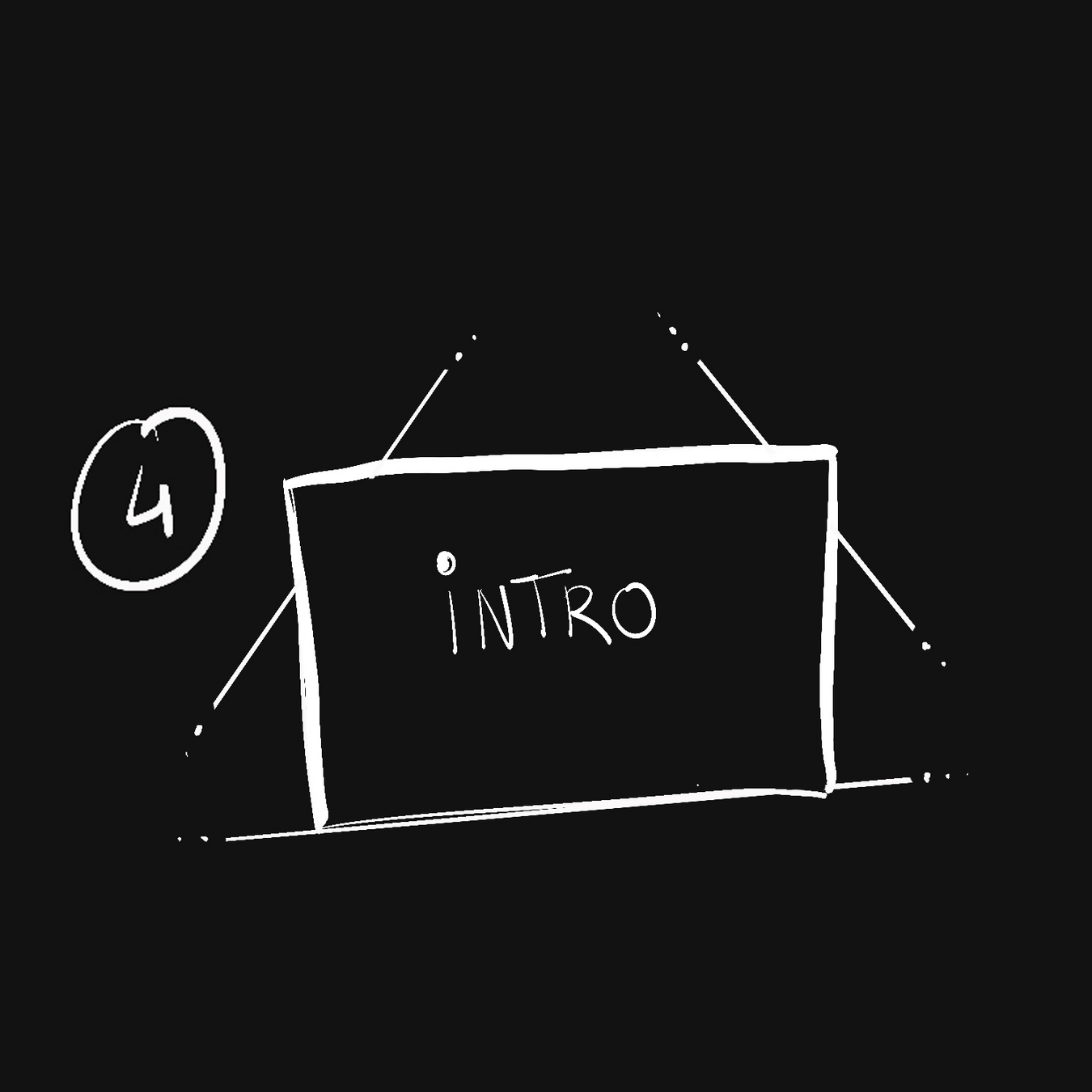
4. Visual introduction to the project
An audiovisual introduction will provide context to our visitors:
· What our project is about
· How the stories have been collected
· How their emotions will be transformed into art
· How each triangle will be part of the large Thank You Vets mosaic
Our visitor's journey
5. Start of the emotional journey
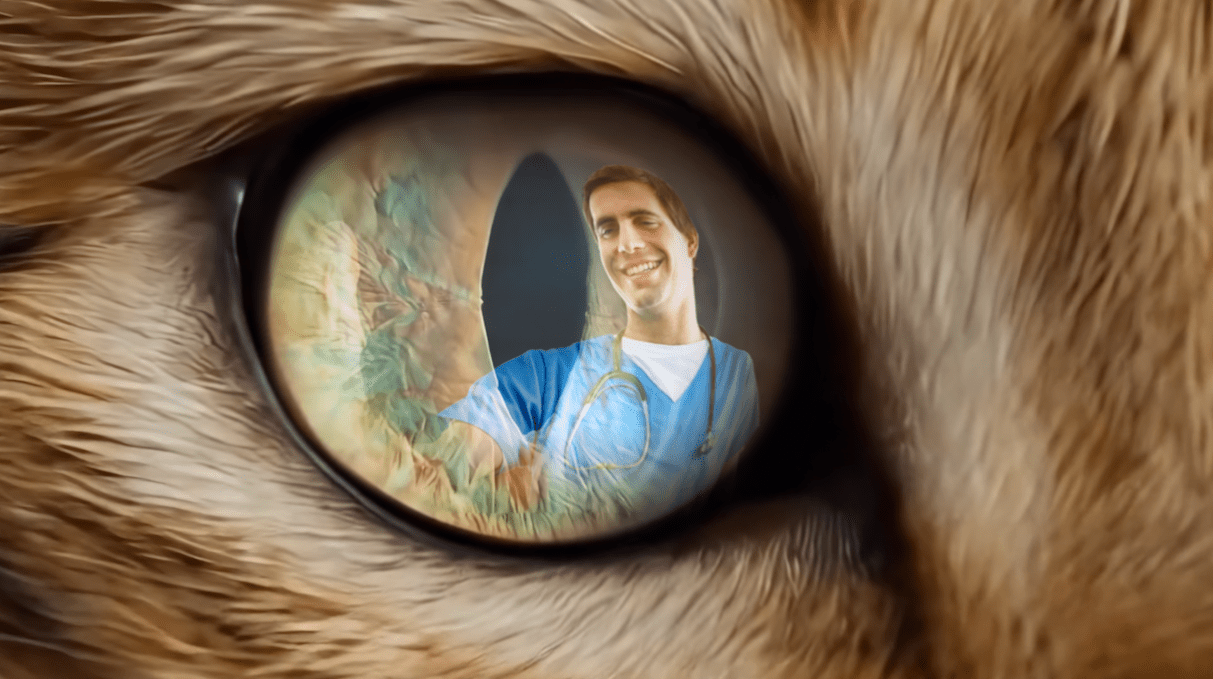
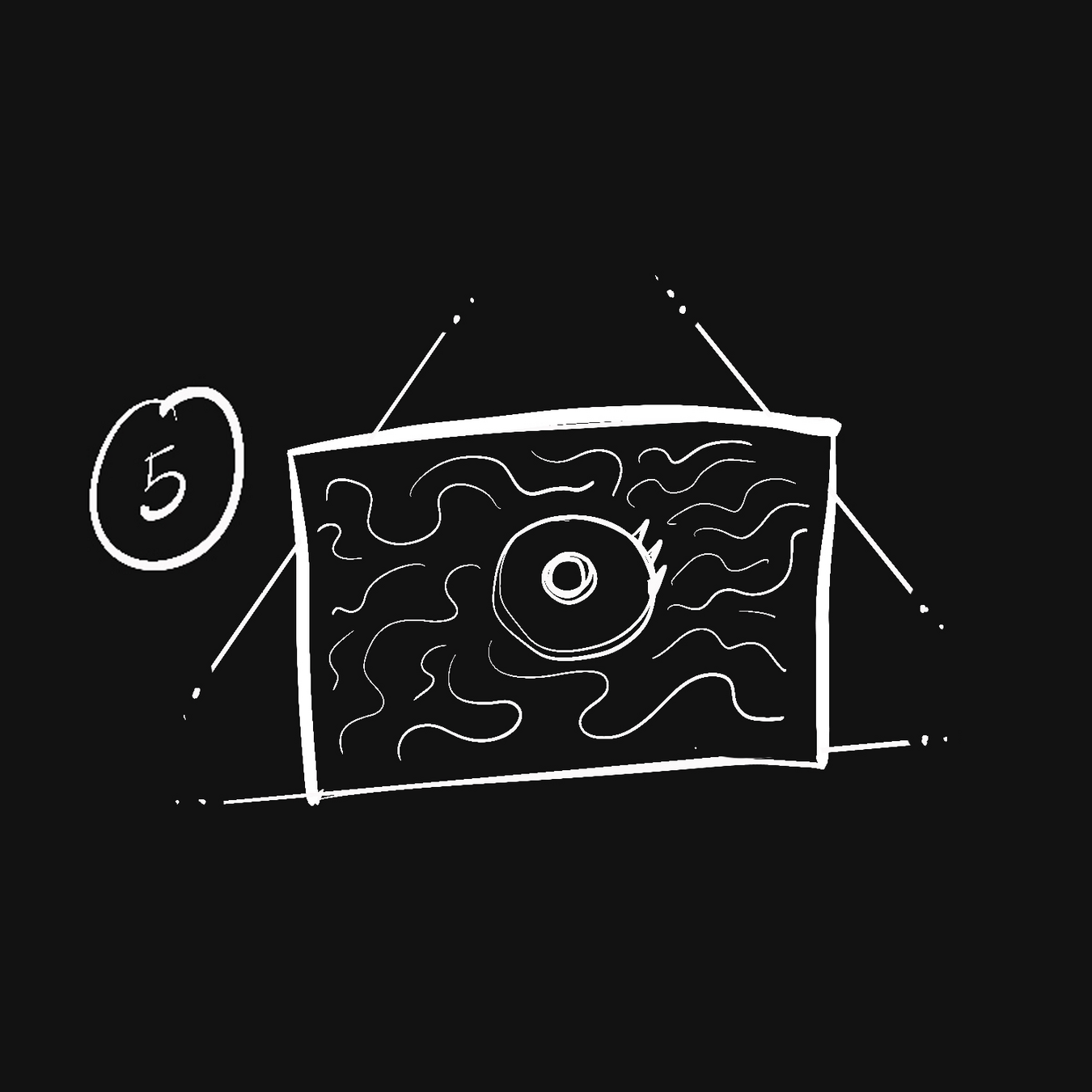
From that base state, the selected content is activated. An initial image: the pet's eye, also reflecting the vet. The virtual camera dives into the retina and takes us into its inner world: a dreamy, liquid and beautifully painted space where the pet's memories live.
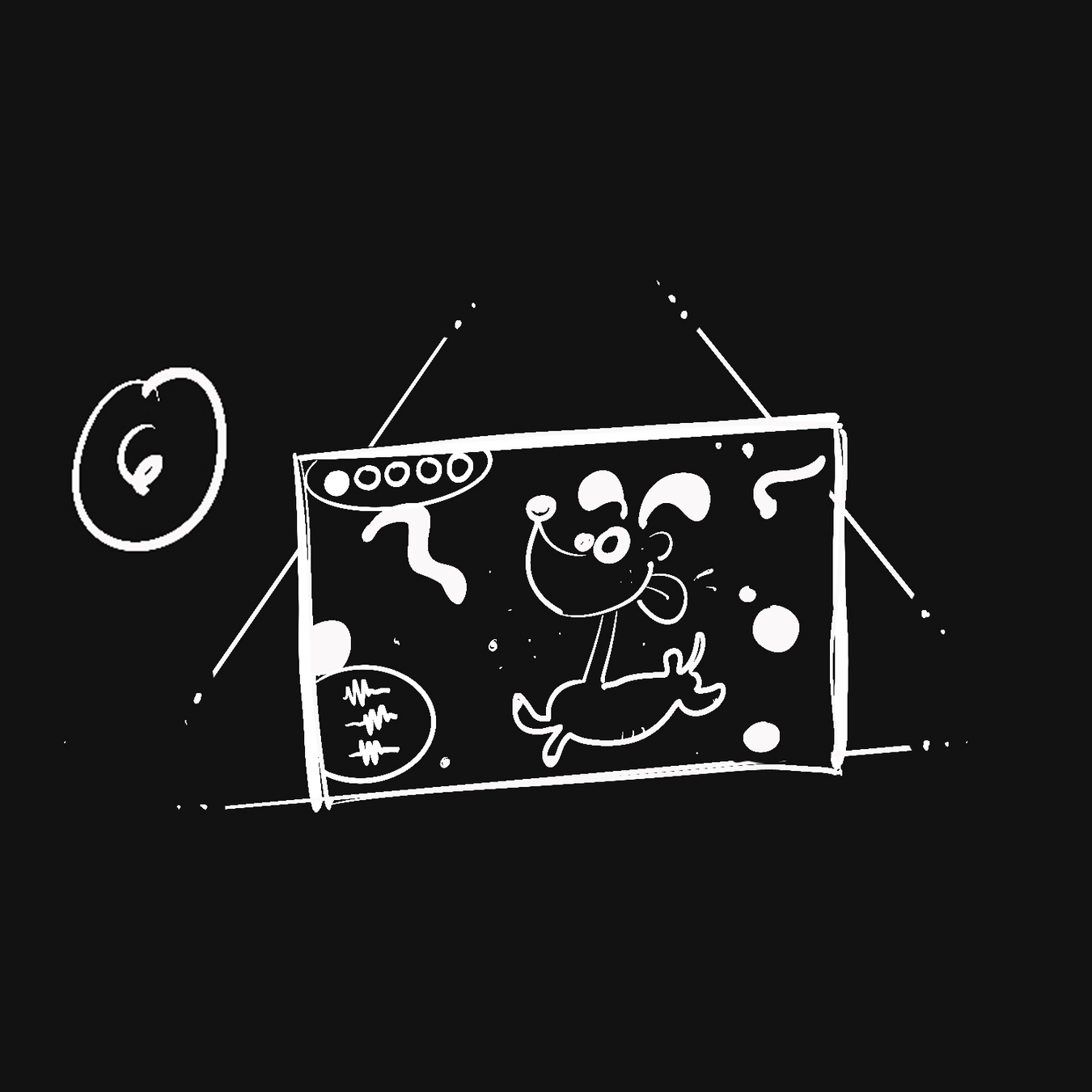
6. The 5 memories: Emotional reading + narration
The experience unfolds through 5 narrative stops. Each corresponds to an emotion and a key moment in the story. In each of those steps, we find:
· The camera stops at a specific particle that begins to take shape
· A visual scene appears
· A voice-over narration can be heard
· The neural headset, through the EEG system, captures the emotional response in that specific moment
Each of these phases generates unique emotional values captured by the EEG (valence, arousal, intensity, frequency, etc.), which will be used to define the final artwork.
7. Emotional translation into generative art
After the journey, the visitor is still facing the screen. A closing transition occurs: we pull away from the eye’s interior. The artwork interface appears and begins to take shape. Five brushstrokes (one for each memory) begin painting on the main screen, guided by the emotional data. These brushstrokes slowly fade toward the kaleidoscope.
Our visitor's journey
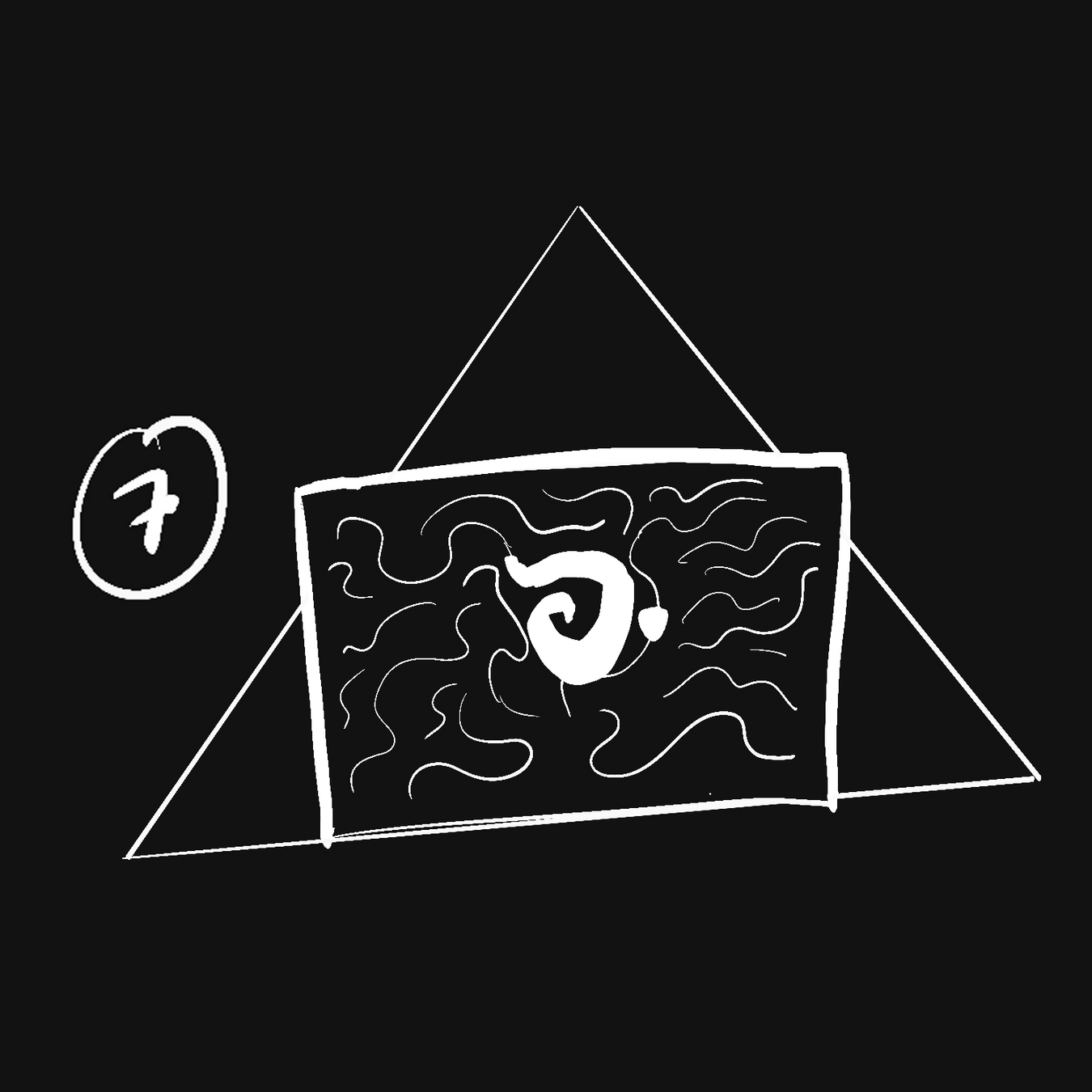
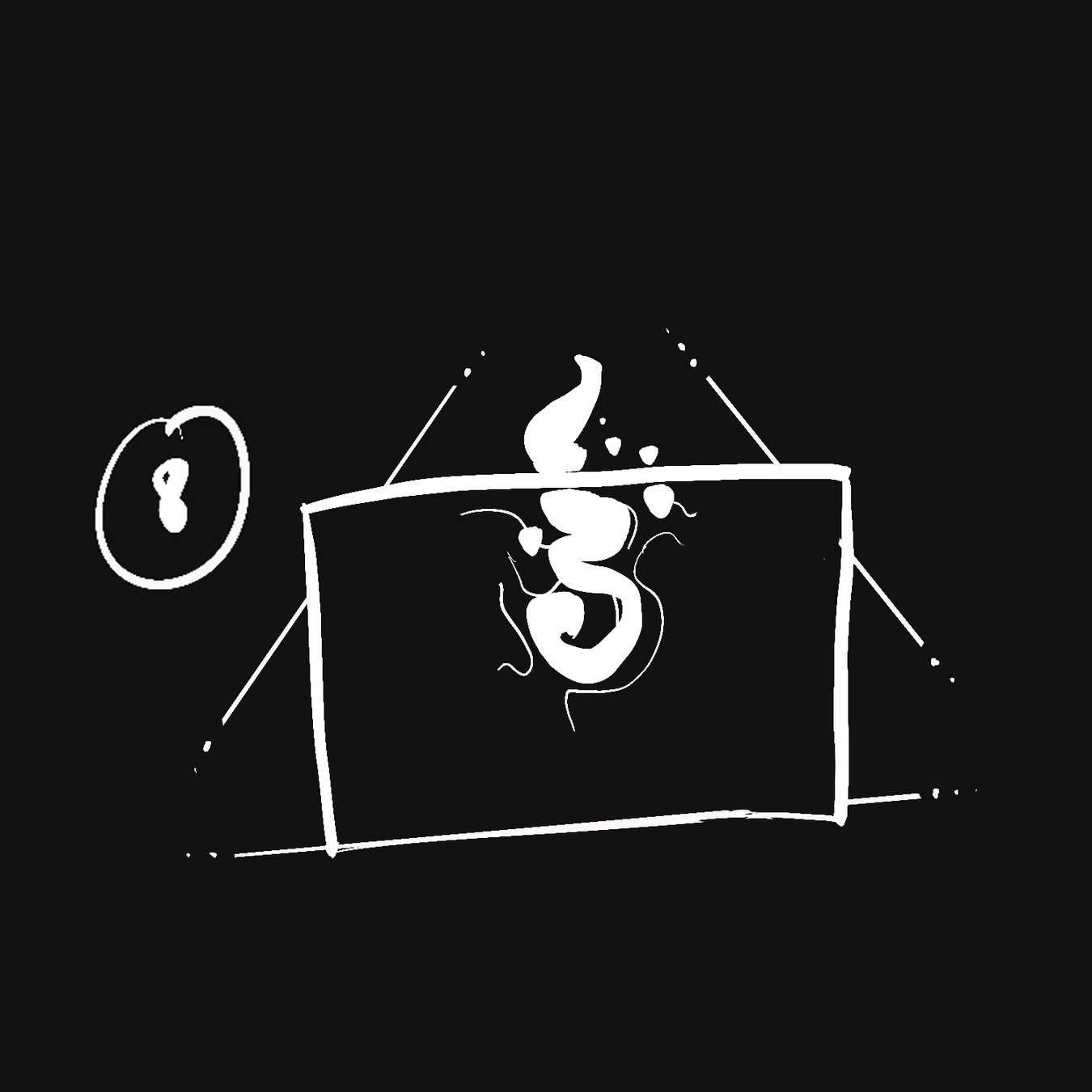
8 + 9. Projection into our kaleidoscope
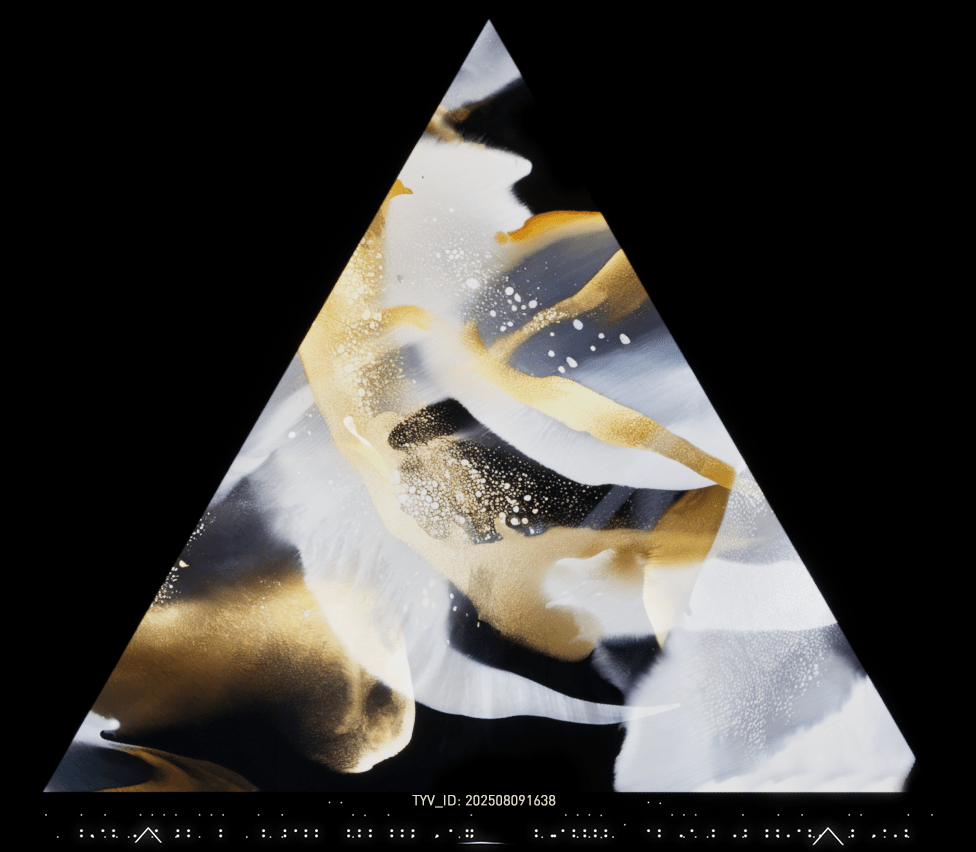
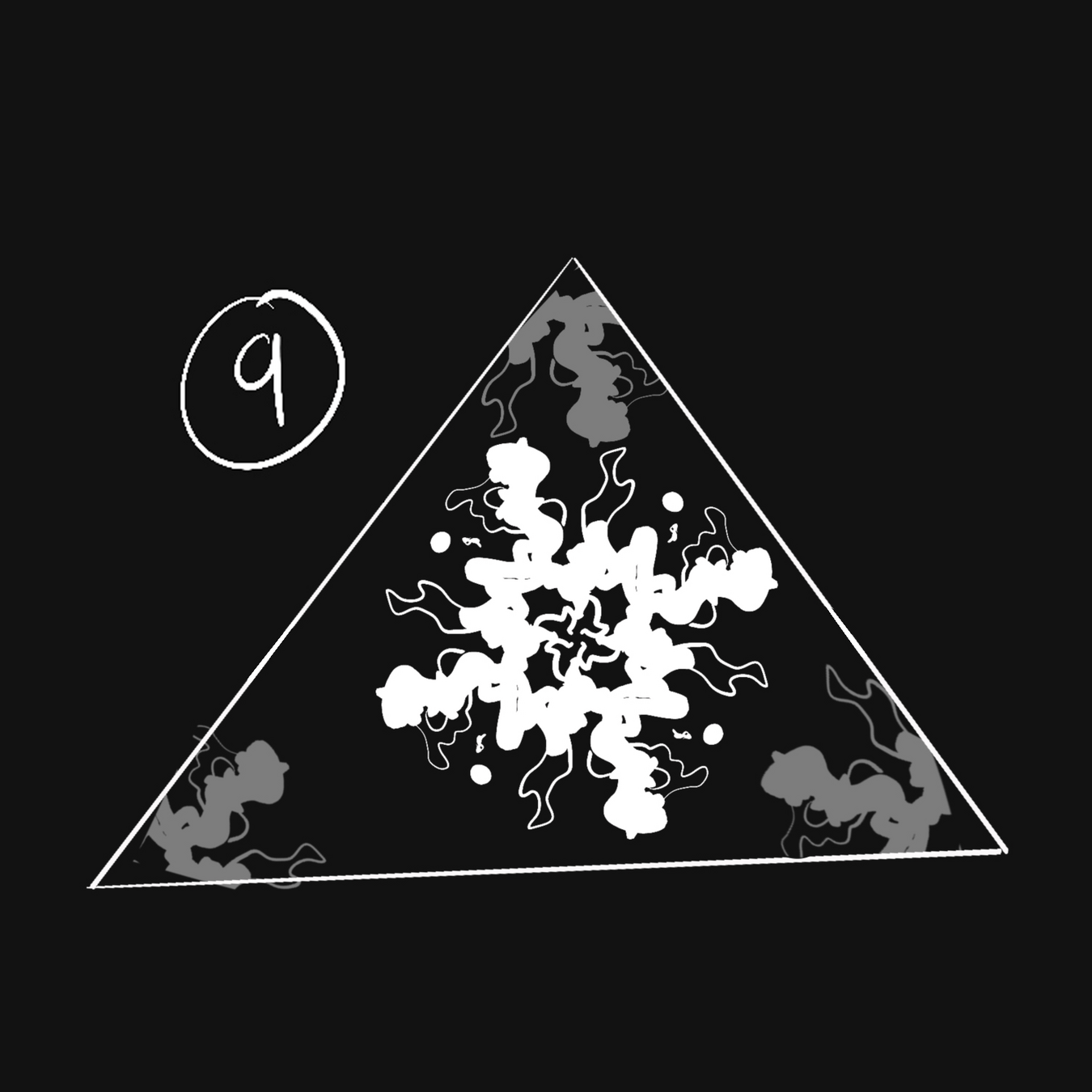
The final artwork takes shape as a unique visual triangle reflected on the inner walls of the kaleidoscope. Slow movement, vibrant colours, vivid strokes. The aesthetic aligns with the emotion of the journey. Our host helps the visitor removing the headset and is invited to enter the triangular tunnel to witness their own emotions turned into art.
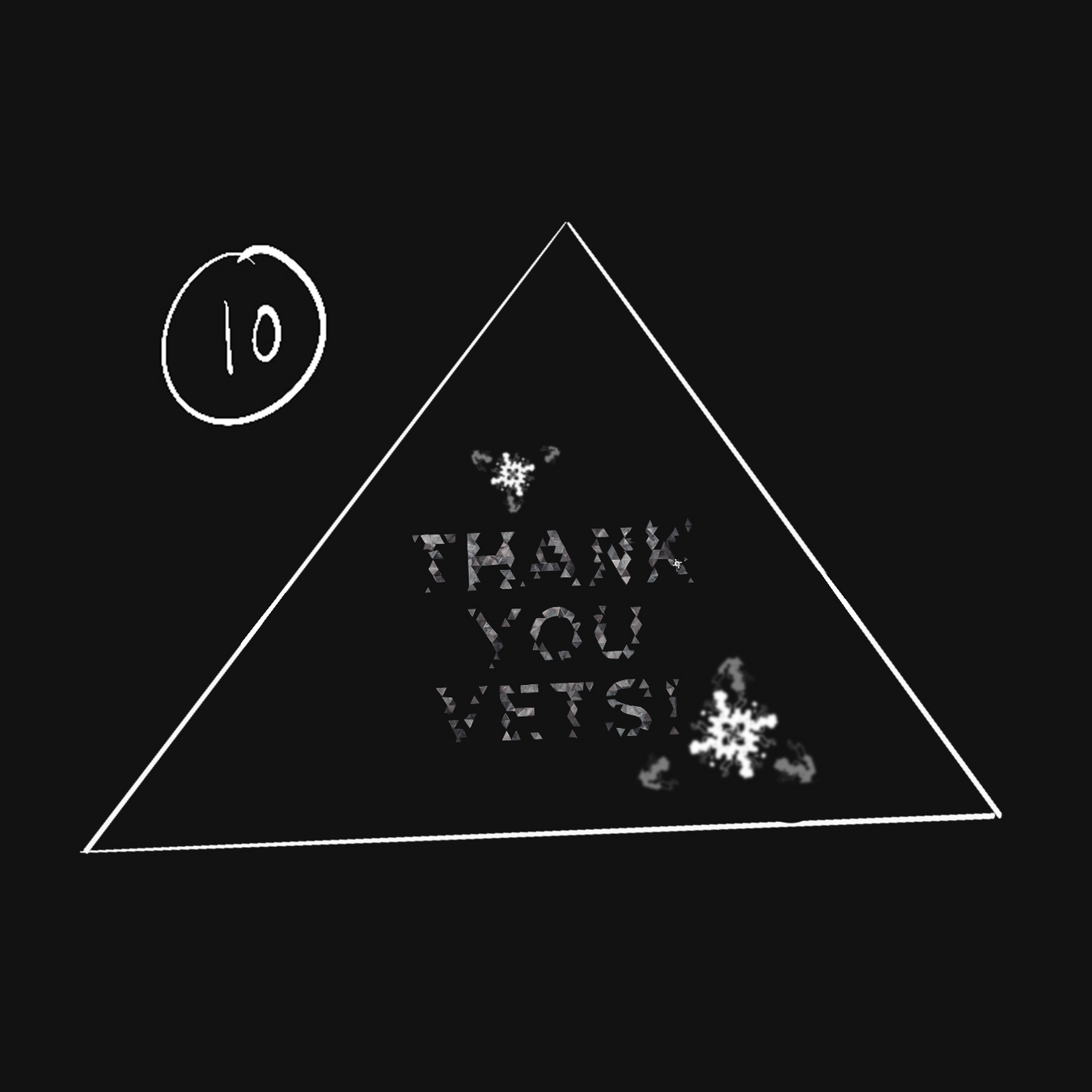
10. Collective artwork: Thank You Vets
Once our visitor has seen their creation on the big kaleidoscope structure, the artwork generated is added to a large collective mosaic visible on additional screens. Each triangle holds a unique place, and as the event progresses, the installation will complete the words THANK YOU VETS.
A collective emotional tribute and experience where each story creates a fragment of beauty, leaving its mark with every emotion.
Our visitor's journey
Stimulus: updates
Timing: August - October
· Week 11th-15th August:
EEG programming, neural headset data caption, real-time connection to the software.
LLM data set and back end development (server).
Video stimulus software generator.
Software for iPad controller.
· Week 18th-22nd August:
EEG programming, neural headset data caption, real-time connection to the software.
LLM data set and back end development (server).
Video stimulus software generator.
Software for iPad controller.
· Week 25th-29th August:
EEG programming, neural headset data caption, real-time connection to the software.
LLM data set and back end development (server).
Video stimulus software generator.
Software for iPad controller.
FAV (Final Artwork Visualisation player) development.
Full asset send out (pets & stories) from the client.
· Week 1st-5th September:
EEG programming, neural headset data caption, real-time connection to the software.
LLM data set and back end development (server).
Video stimulus software generator.
Software for iPad controller.
FAV development.
VR software player development.
· Week 8th-12th September:
LLM data set and back end development (server).
Video stimulus software generator.
FAV development.
VR development.
Concept and design for the big kaleidoscope structure.
Timing: August - October
· Week 15th-19th September:
LLM data set and back end development (server).
Video stimulus software generator.
FAV development.
VR development.
Concept and design for the big kaleidoscope structure.
· Week 22nd-26th September:
LLM data set and back end development (server).
FAV development.
VR development.
Concept and design for the big kaleidoscope structure.
· Week 29th September-3rd October:
VR development.
Concept and design for the big kaleidoscope structure.
Testing & Debugging.
· Week 6th-10th October:
VR development.
Testing & Debugging.
Final presentation VET Business Unit Director (Tuesday 7th)
· Week 13th-17th October:
VR development.
Testing & Debugging.
PROJECT DELIVERY.
THANK YOU VETS
Purina Pro Plan | Immersive Experience Proposal
July 31st
First kaleidoscope tests
Stimulus: from still images to video
THANK YOU VETS
Purina Pro Plan | Immersive Experience Proposal
July 11th
The stimulus: material collection
To generate our stimulus videos, we will also need to receive videos from pet owners. We'll turn those videos into 3D models of their pets so they can become part of the experience.
Notes on what to capture, how to capture it and what are the required formats:
· 1080x1920 (vertical/portrait)
· 30fps
· 15 to 30" videos
· mp4 or mov
· No cropping or automatic zooms
What do we need?
Move around the pet, creating a 180º semicircular path around them, and trying to cover as many angles as possible. Move up and down, and also to the sides as if you were scanning it. Always slow but steady movements.
Try and keep the pet centered in the frame, if possible, without cutting any parts of their body.
Ideally, the animal should be still or moving very little.
When it comes to light, a diffuse natural light is always preferred, avoiding white lights or scenes that are too bright.
A plain, neutral background will also be ideal.
The stimulus: examples of videos
YES ✅
NO ❌
The stimulus: material collection
In addition to collecting the video, we would also like to ask each user for a short text, three to four sentences in which they describe a memory associated with both their pet and their vet. This text would help us understand and identify the feelings or emotions their story can evoke.
Here are examples of texts connected to Samo, the ginger cat, and Coco, the Yorkie:
1. The last time we took Samo to the vet, we didn’t know what was wrong or if he would make it through. At 16 years old, any small problem can be really frightening. Luckily, we trust our veterinary clinic, and even though we were scared when he had to stay overnight, everything turned out well and we were able to come back home.
2. Going to the vet with Coco is always an adventure. We’re lucky that he’s a healthy dog, so most of our visits are just for routine vaccinations. Coco knows the clinic door perfectly, and the first thing he does when we start getting close is lie down on the ground to show us he doesn’t want to go in. But that attitude quickly changes once we’ve been inside for a little while, especially when the vet gives him his favourite treats. Coco is crazy about treats and knows exactly how to become the friendliest dog to get them.
3. At the start of my adult life, I really missed my family dog from my childhood. He passed away when i had already left home and left a big void in my heart. When I decided to get a new furry friend, it was like the beggining of a new adventure! I will never forget the excitement I felt when we first met – the first sniffles, the first licky kisses… a whole new love. First stop after picking him up… the vet. Vaccines, microchip, counting all his toes… everything to get us ready to live what would be the best friendship I ever had.
Text
The stimulus: process and final result
Once we have collected all the videos and texts, we will share those texts with an AI specifically trained to identify the emotions associated with each sentence and to assign a value within the Valence-Arousal model (EEG analysis).
Here's an example of what we got back from the AI having shared one of Coco's texts:
1. “Every trip to the vet with Coco feels like setting off on a small adventure.”
Emotion: Curiosity + Warm Anticipation
Valence: medium–high / Arousal: medium
A playful beginning, filled with expectation. Emotional openness and curiosity. Mild beta and some alpha reflecting alert but calm attention.
2. “He knows the clinic door too well — and as we get close, he flops down with dramatic flair.”
Emotion: Resistance + Amused Affection
Valence: medium / Arousal: medium–low
Familiar resistance with comedic charm. Low arousal, alpha-dominant state. The kind of moment that makes everyone smile — including the vet behind the glass.
3. “The vet always meets him with a knowing smile — like two old actors repeating their favourite scene.”
Emotion: Recognition + Gentle Connection
Valence: medium–high / Arousal: medium
Emotional familiarity and warmth. Social bonding is key here — likely beta waves from shared empathy and mutual recognition.
4. “But the moment the treats appear, Coco transforms — tail wagging, eyes bright, pure charisma.”
Emotion: Joy + Approach Motivation
Valence: high / Arousal: medium–high
Shift toward enthusiasm and desire. Beta increases with spikes of gamma. The vet becomes a provider of joy — and Coco, his best client.
5. “Because Coco, the clinic’s little king, knows exactly how to win hearts — and biscuits.”
Emotion: Delight + Social Reward
Valence: high / Arousal: medium
A satisfying close with social and sensory rewards. High valence and steady arousal — a theta-gamma blend tied to affection and gratification.
The stimulus: process and final result
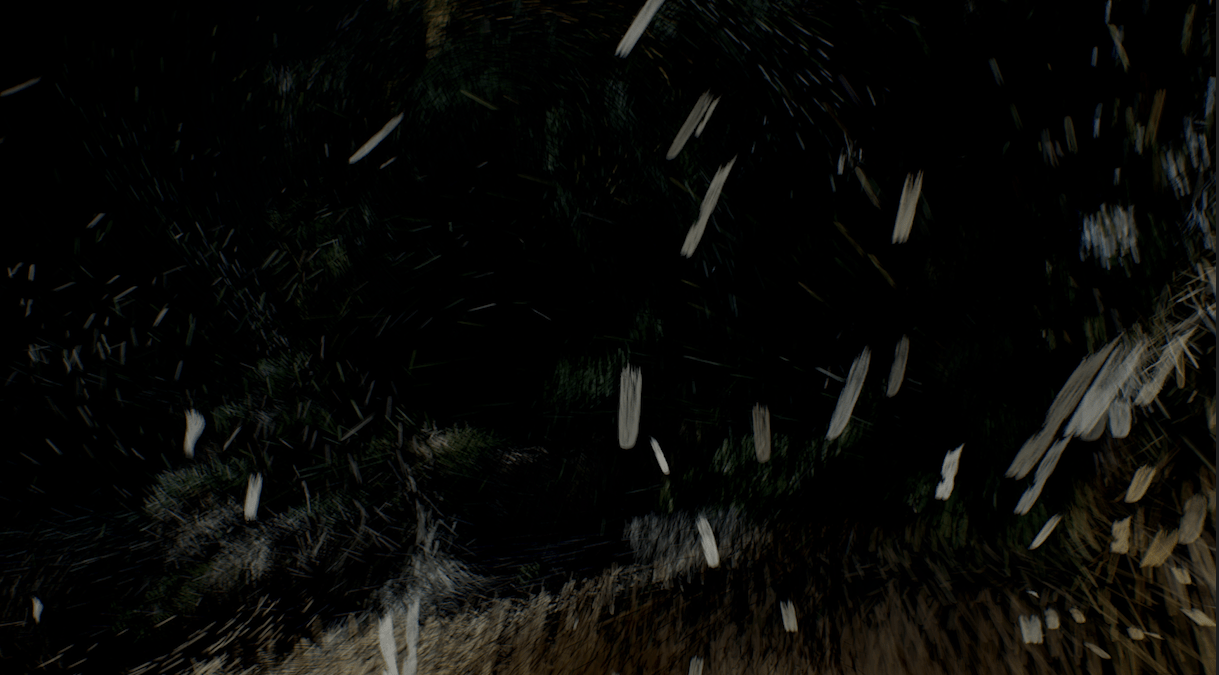
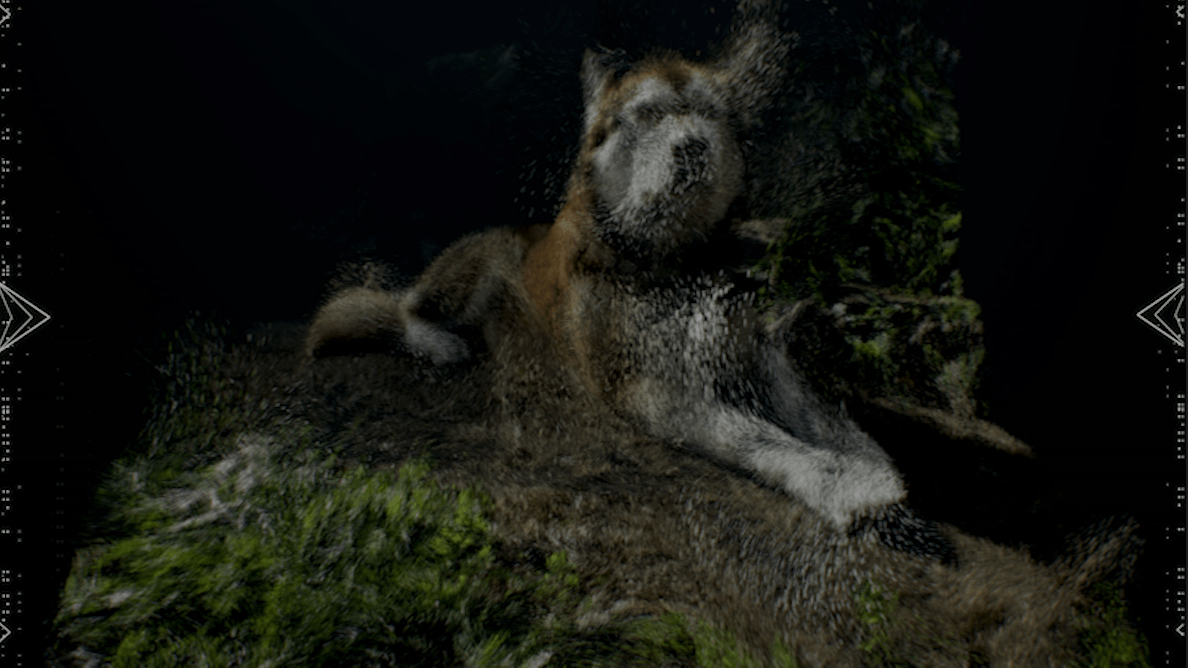
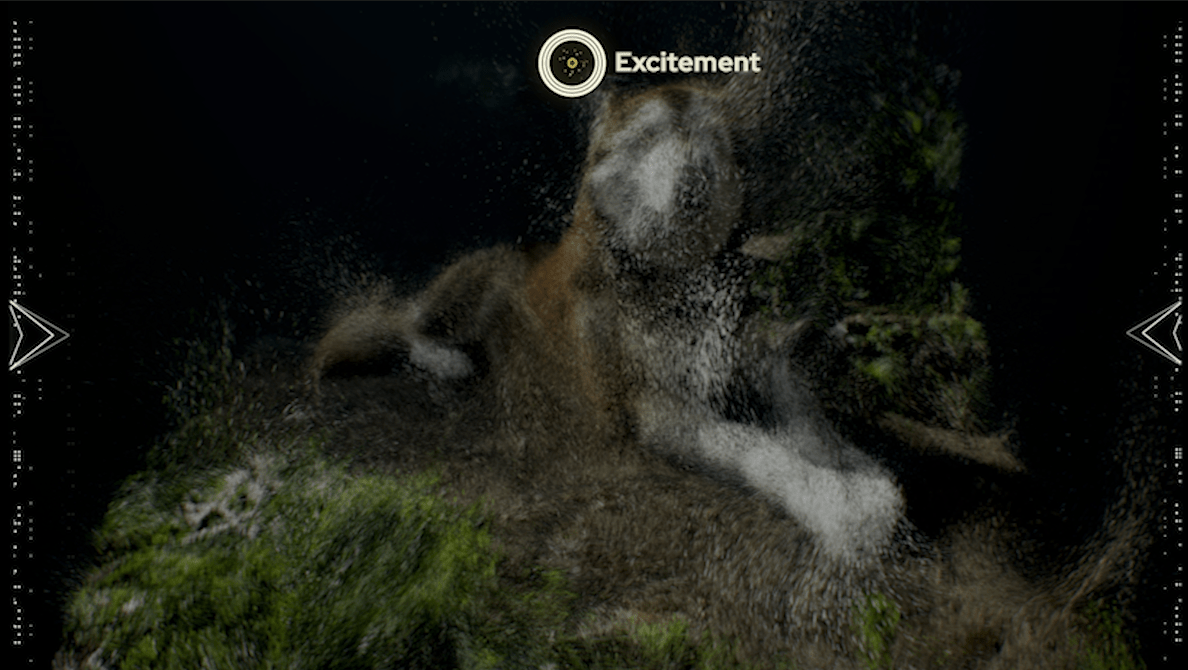
Having generated new sentences and identified the emotions and values within the EEG analysis model, we will be able to create a visual story:
THANK YOU VETS
Purina Pro Plan | Immersive Experience Proposal
July 3rd
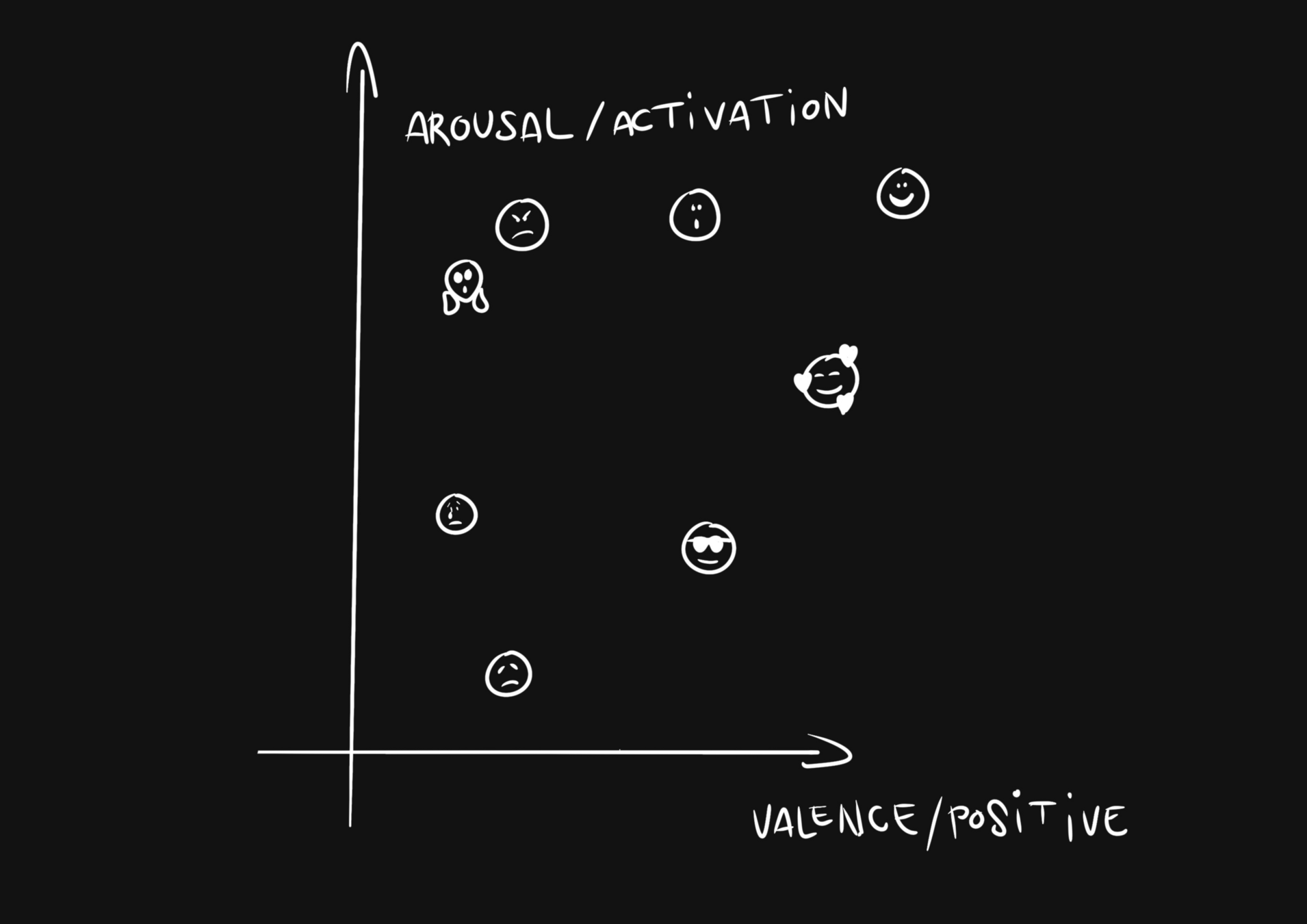
A brief overview for analyzing expected EEG signatures: The Valence–Arousal Model
1. Valence – How pleasant or unpleasant the emotion is
-
High valence → pleasant, positive emotions
(joy, love, pride, relief, tenderness) -
Low valence → unpleasant, negative emotions
(sadness, fear, shame, guilt, anger)
2. Arousal – How activated or calm the person is
-
High arousal → intense emotions with high physical or mental energy
(euphoria, anger, shock, excitement, surprise) -
Low arousal → soft, relaxed, or passive emotions
(calm, melancholy, contentment, resignation)
The coordinates of the soul
Imagine a chart with two axes:
Emotion Valence Arousal
| Intense joy | High | High |
| Gentle sadness | Low | Low |
| Surprise | Neutral | High |
| Tenderness | High | Low |
| Fear | Low | High |
How does this relate to emotions?
With an EEG headset, we can measure electrical signals in the brain that correspond to these two emotional dimensions:
-
Beta / Gamma waves → high activity (high arousal)
-
Alpha / Theta waves → relaxation (low arousal)
-
Certain patterns of frontal asymmetry can indicate emotional tone
(e.g., more activity in the left hemisphere often relates to positive emotions)
While it’s not possible to “read” an exact emotion, we can estimate whether someone is experiencing something:
-
Pleasant or unpleasant (valence)
-
Exciting or calming (arousal)
Proposal: 5 Main Classification Groups by EEG
Expected EEG Signature*
| High valence, peak arousal at climax, followed by a gentle return to relaxation |
| Medium-high valence, medium-low arousal; dominant alpha waves |
| Low valence, low to medium arousal; brief beta spikes due to stress |
| High valence, sustained high arousal; noticeable gamma/beta peaks |
| Starts with low valence + medium arousal → ends with high valence + medium-high arousal |
EEG Detection
— Quick Reference Framework:
To ensure the stories work smoothly with our emotional detection pipeline
photo → story → emotional video → EEG reading
It’s helpful to reduce emotional complexity into a smaller set of clear narrative arcs.
Valence (positive ↔ negative) and Arousal (intensity ↔ calm) are the two emotional axes we will later map onto our EEG readings.
Each story/photo should come with 3 to 5 short sentences explaining the context, the key moment, and how it was resolved. This will greatly improve the accuracy of classification.
Emotions in bloom: Five paths of connection
#Group NameCore EmotionContrast / Turning Point Example Stories
| 1 | Triumph & Recovery | Hope, Pride | Fear / Uncertainty → Success | Dog recovering from emergency surgery; cat with a serious infection playing again |
| 2 | Everyday Bond | Tenderness, Calm | Routine ↔ Unexpected Joy | Annual check-up where the dog jumps on the vet; peaceful nail trimming with affection |
| 3 | Caring for an elderly dog |
Sadness, Gratitude | Loss ↔ Celebration of Life | Euthanasia surrounded by love; final photo with the vet after years of shared care |
| 4 | Adventures & Chaos | Joy, Surprise | Chaos ↔ Laughter | Puppies escaping through the clinic; cat climbing a curtain; owner bursting out laughing |
| 5 | Rescue & New Beginnings | Relief, Love | Danger ↔ Safety | Stray dog adopted into a family; serious injury healed and now living a full life |
Proposal: 5 main classification groups
3. How to Tag the Photos (Client Template)
We plan to interview five individuals, one representing each emotional group. The interview will follow this simple script:
1️⃣ Short title (e.g. “From the streets to the sofa”)
2️⃣ Suggested group (choose one from 1 to 5)
3️⃣ Context (2–3 sentences): What was happening before the photo was taken?
4️⃣ Captured moment (1 sentence): What exactly do we see in the image?
5️⃣ Outcome / turning point (1–2 sentences): How does the story end?
6️⃣ Emotions felt (check up to 3): joy, relief, pride, etc.
This structure will provide consistent metadata to support the editing of each emotional video and allow us to classify them with a clear narrative purpose.
Each of the five people represents one of the five major emotional groups. This will give us a storytelling sample for each emotional arc. What matters most is the rich emotional information surrounding each narrative, as captured through this interview script.
THANK YOU VETS
Purina Pro Plan | Immersive Experience Proposal
June 26th
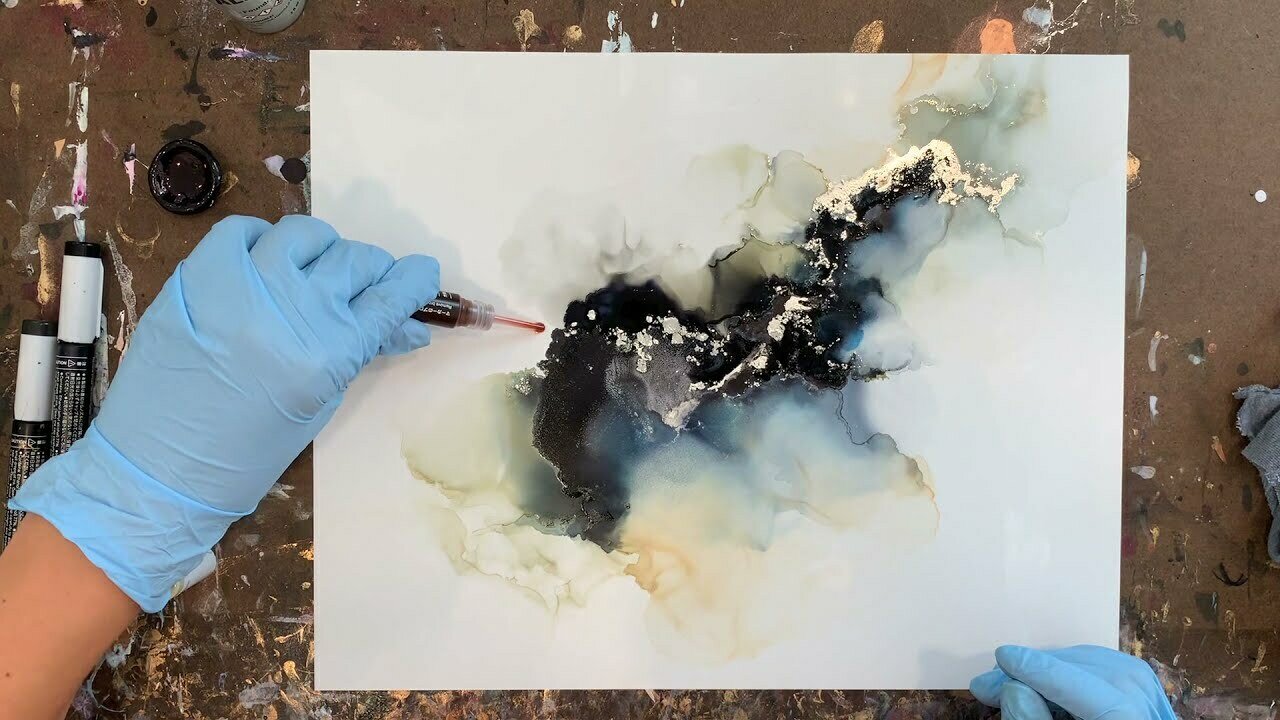

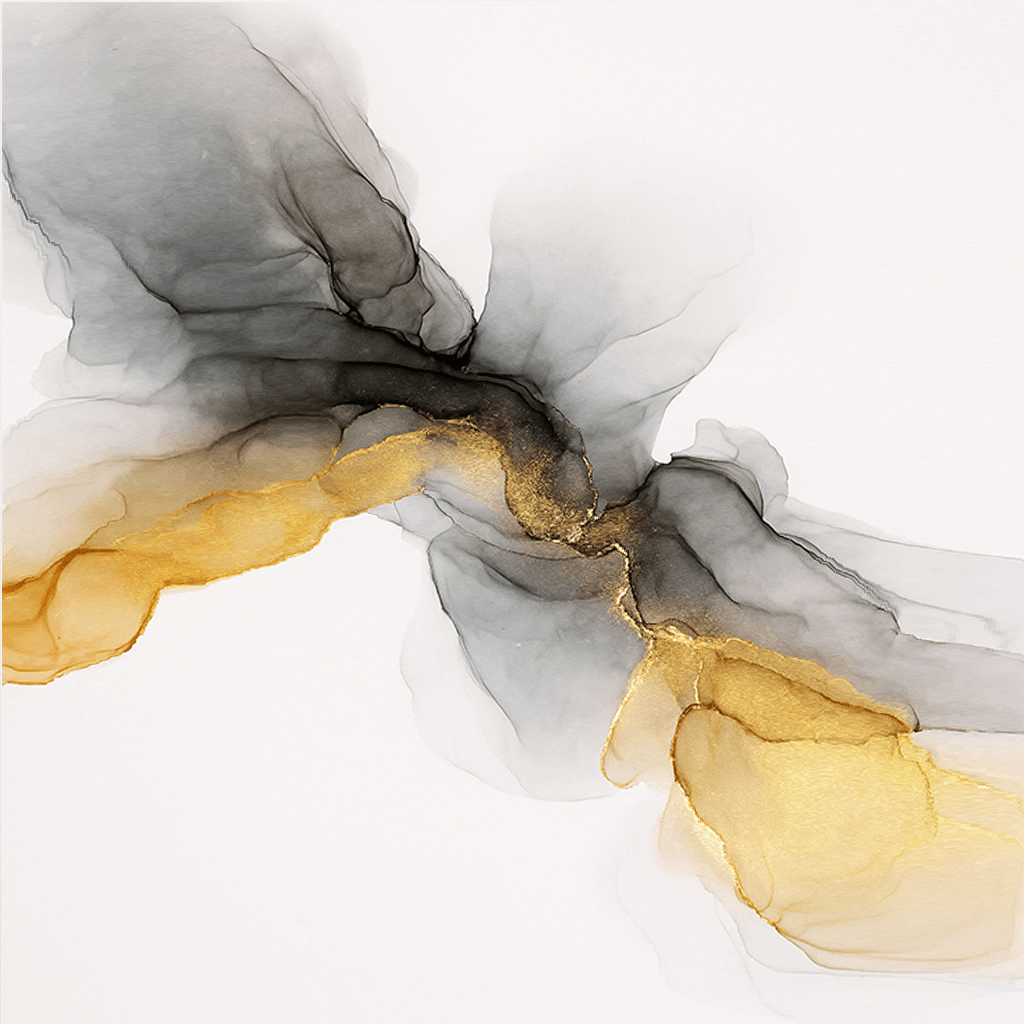
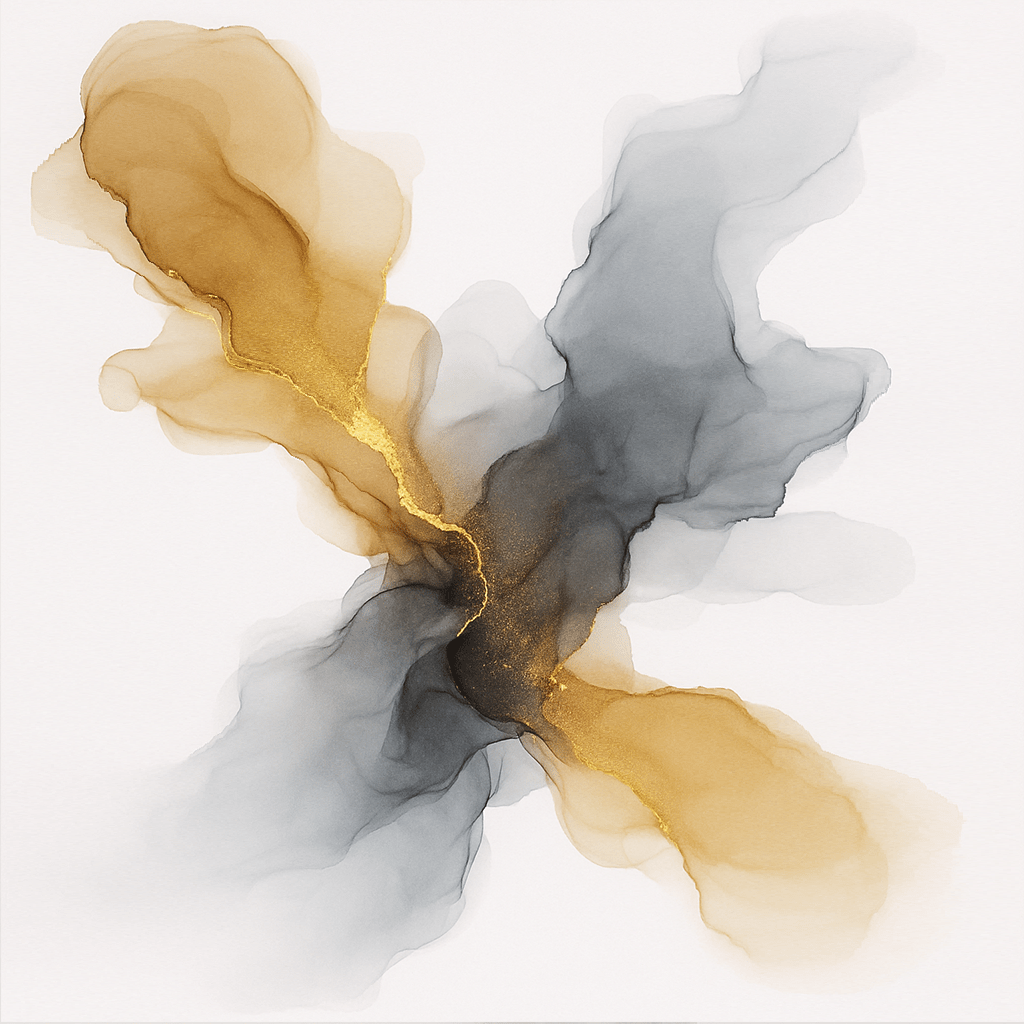

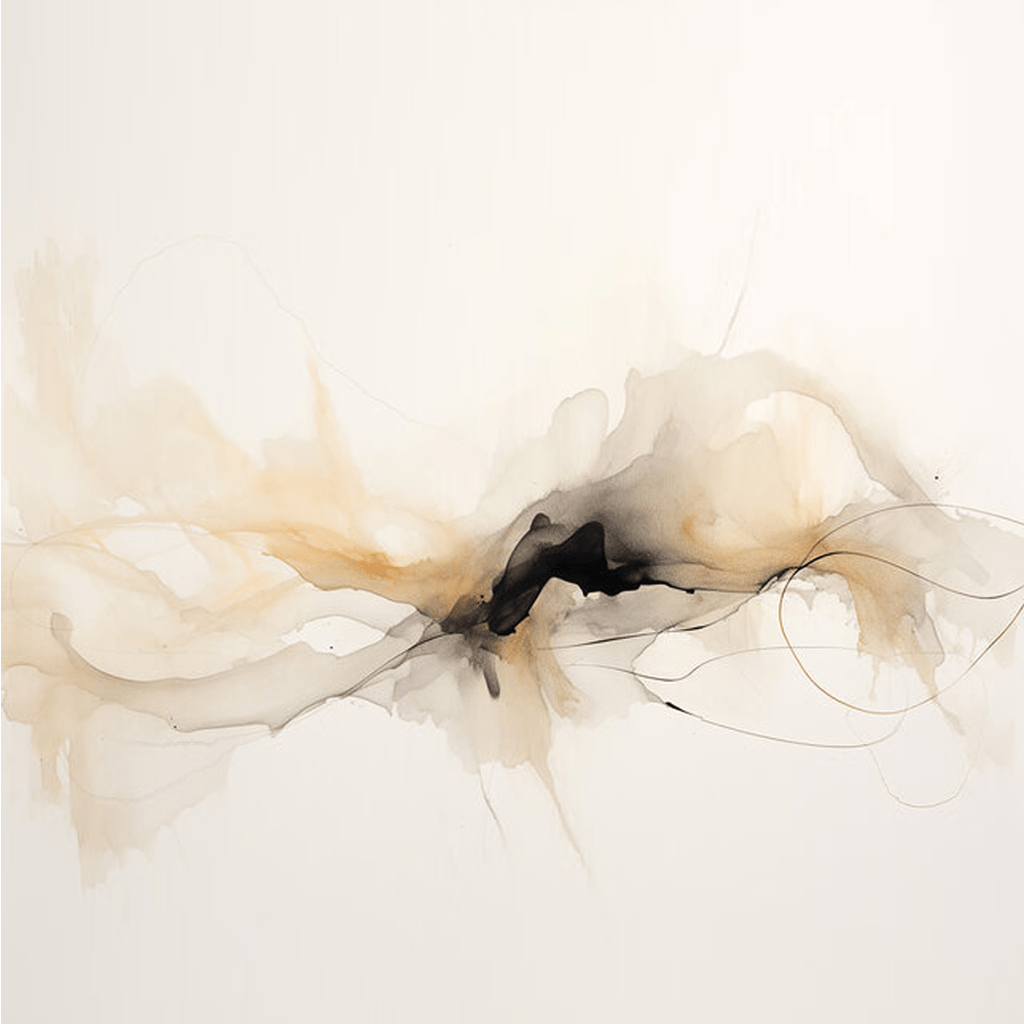
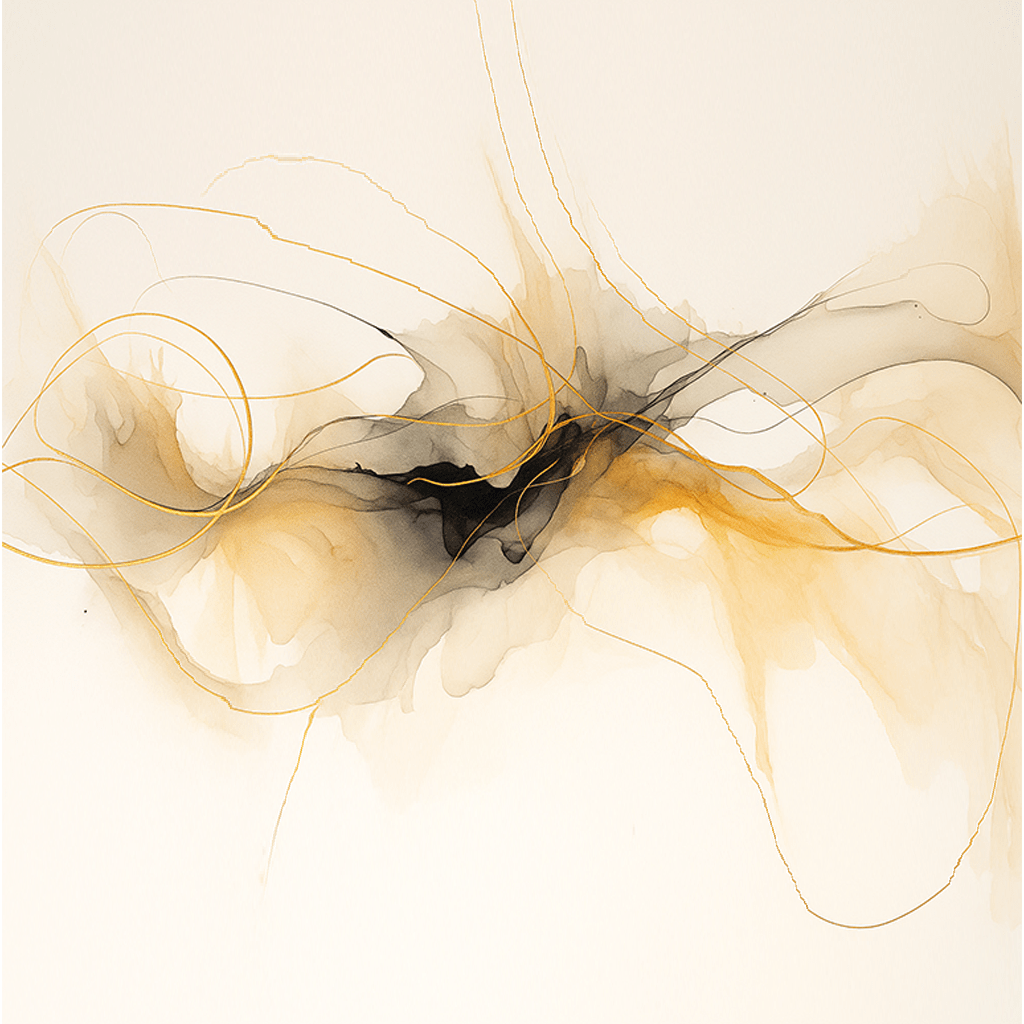
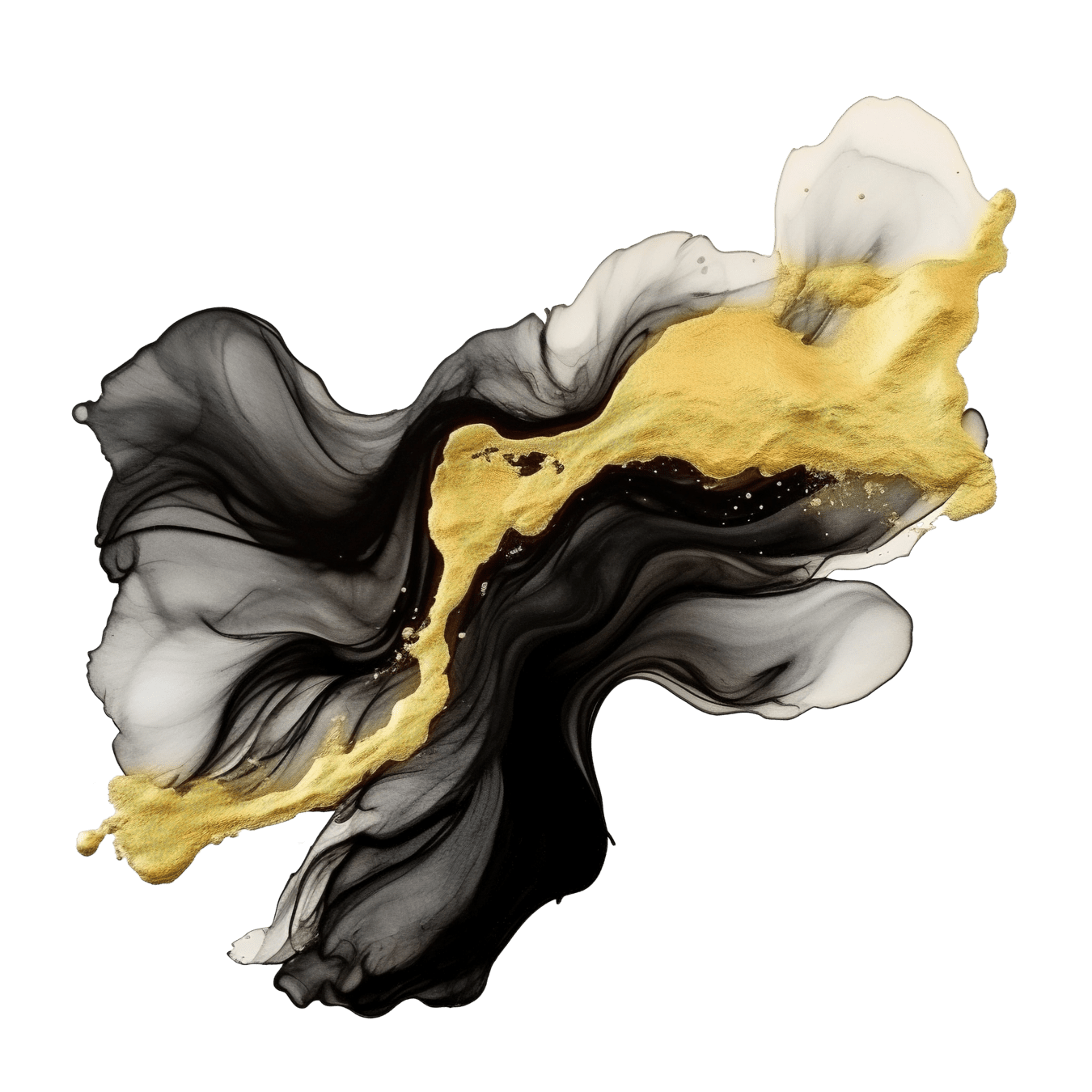
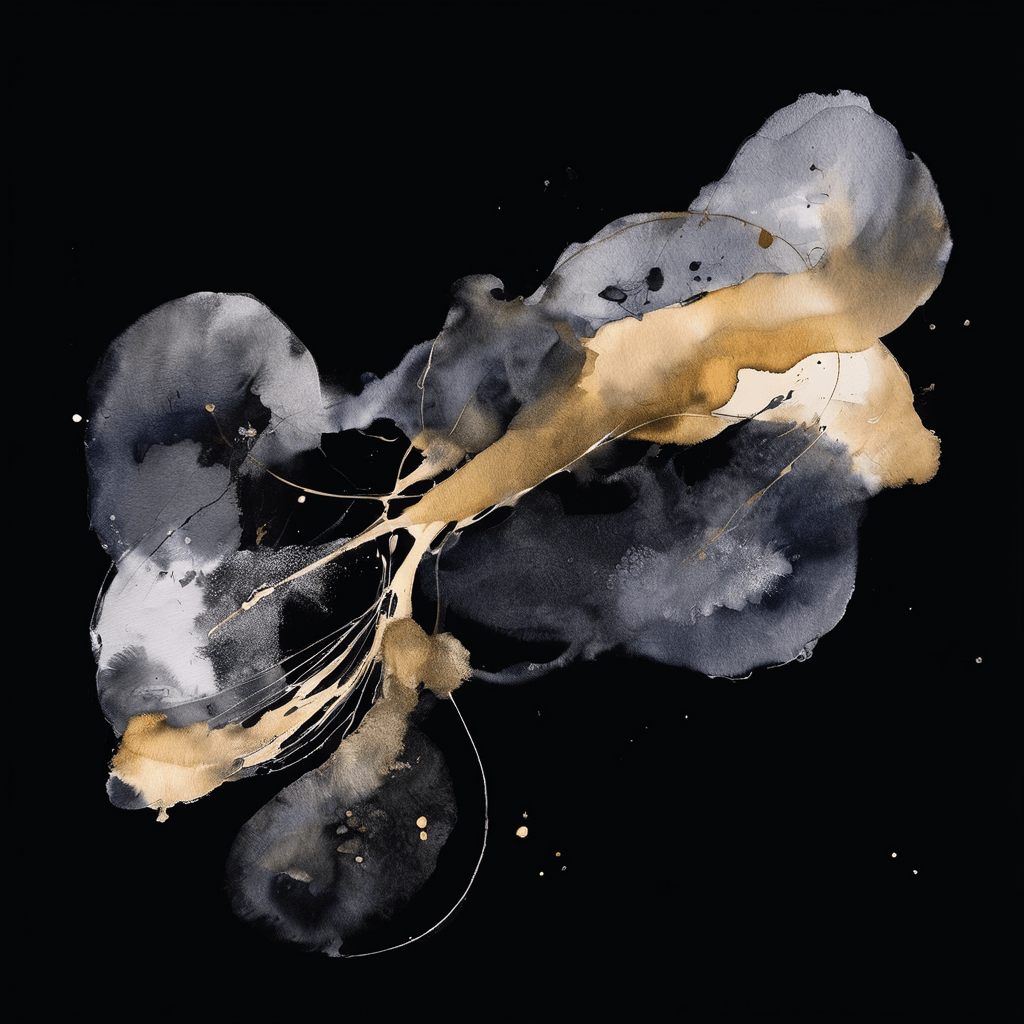
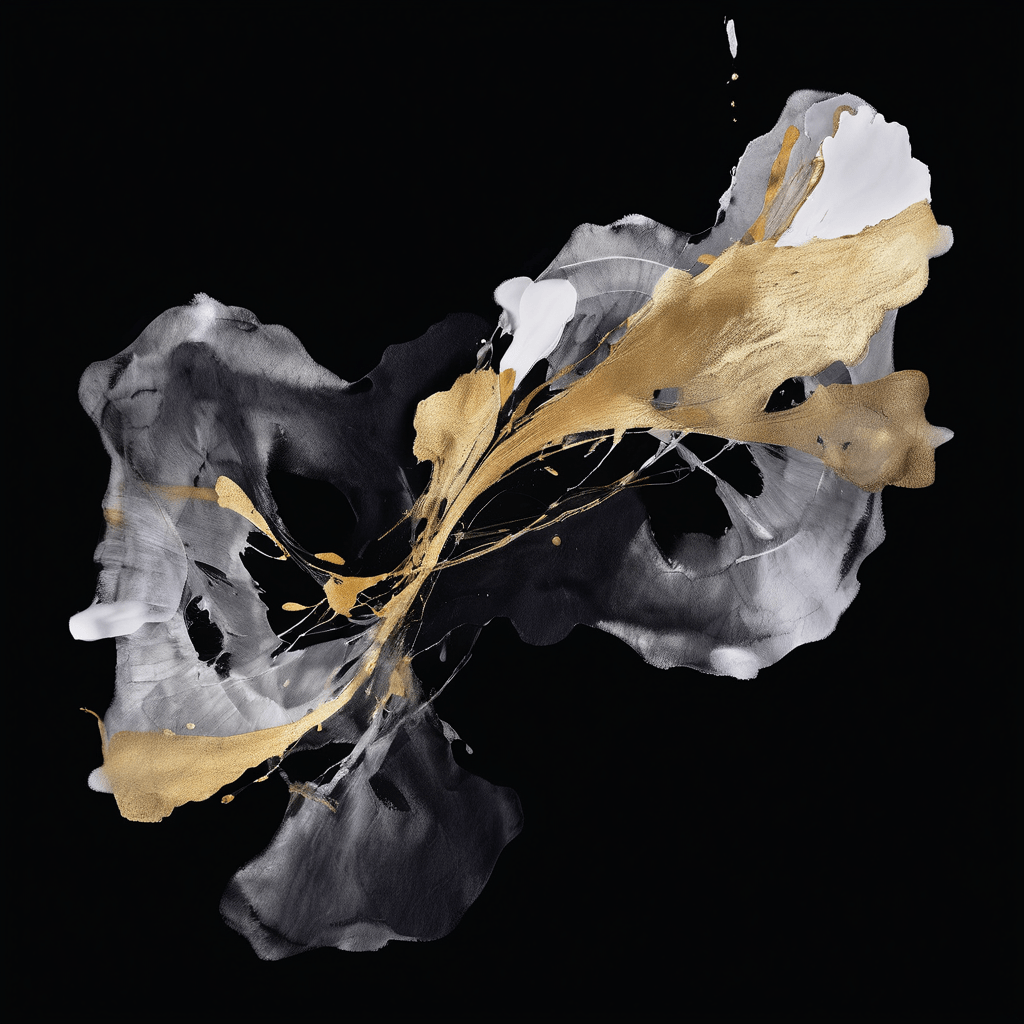
AI variation by parameters
initial reference
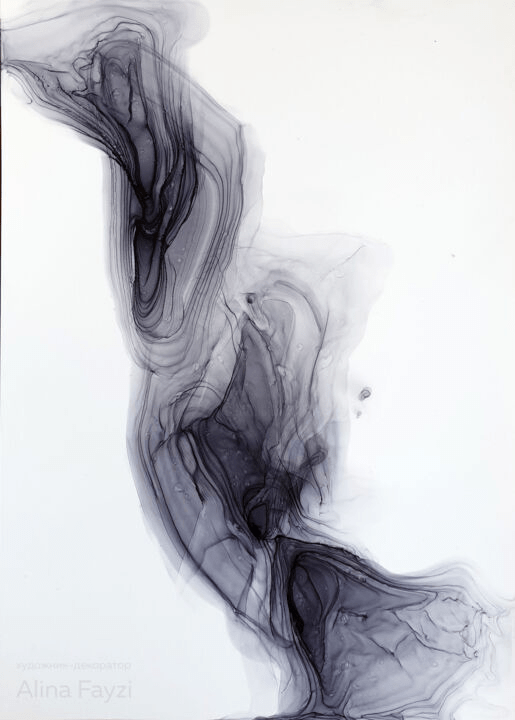
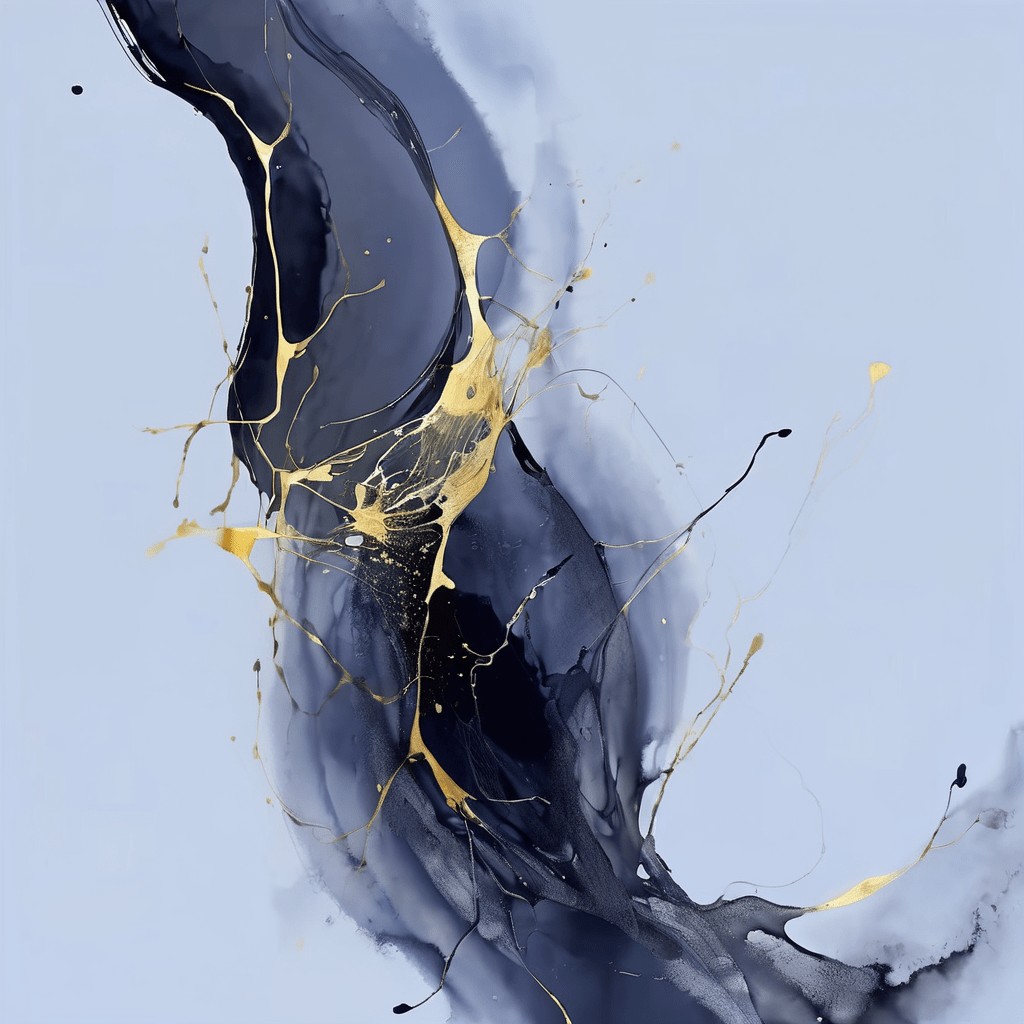
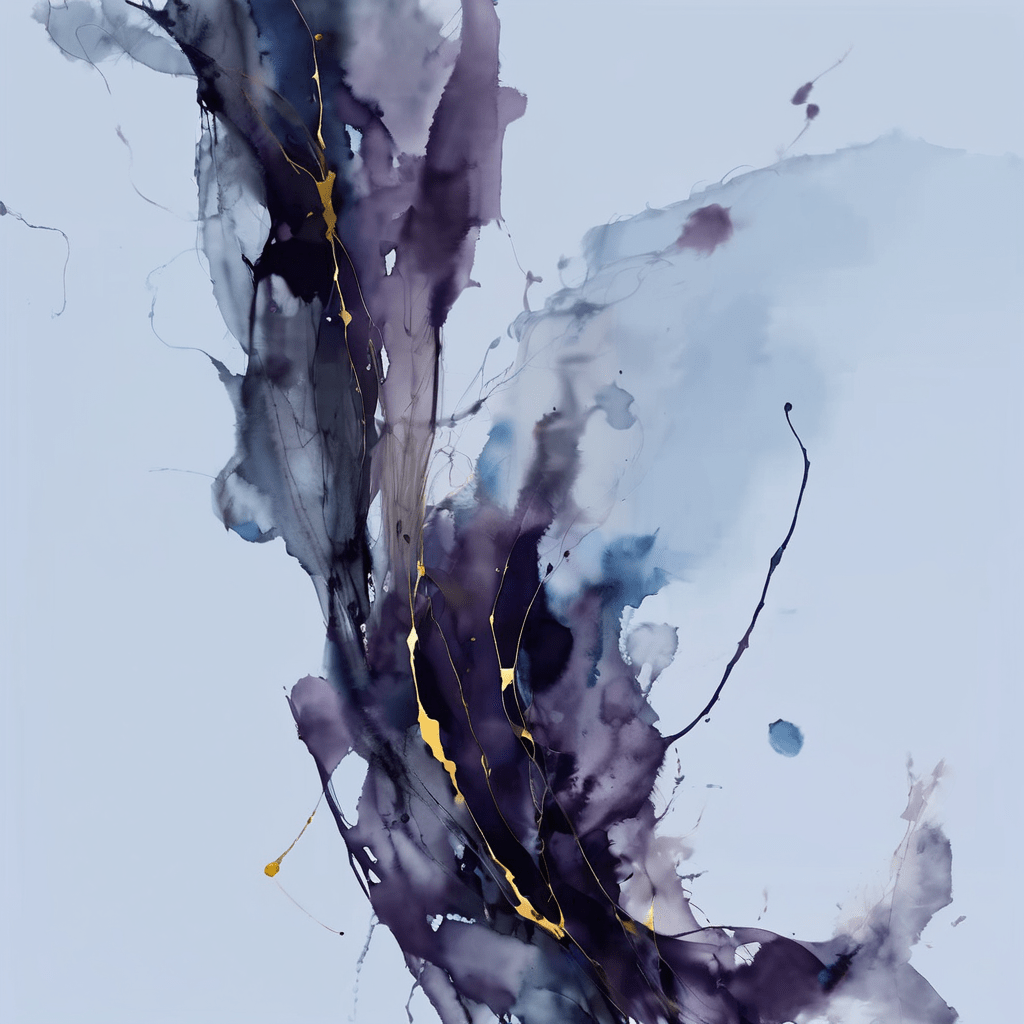
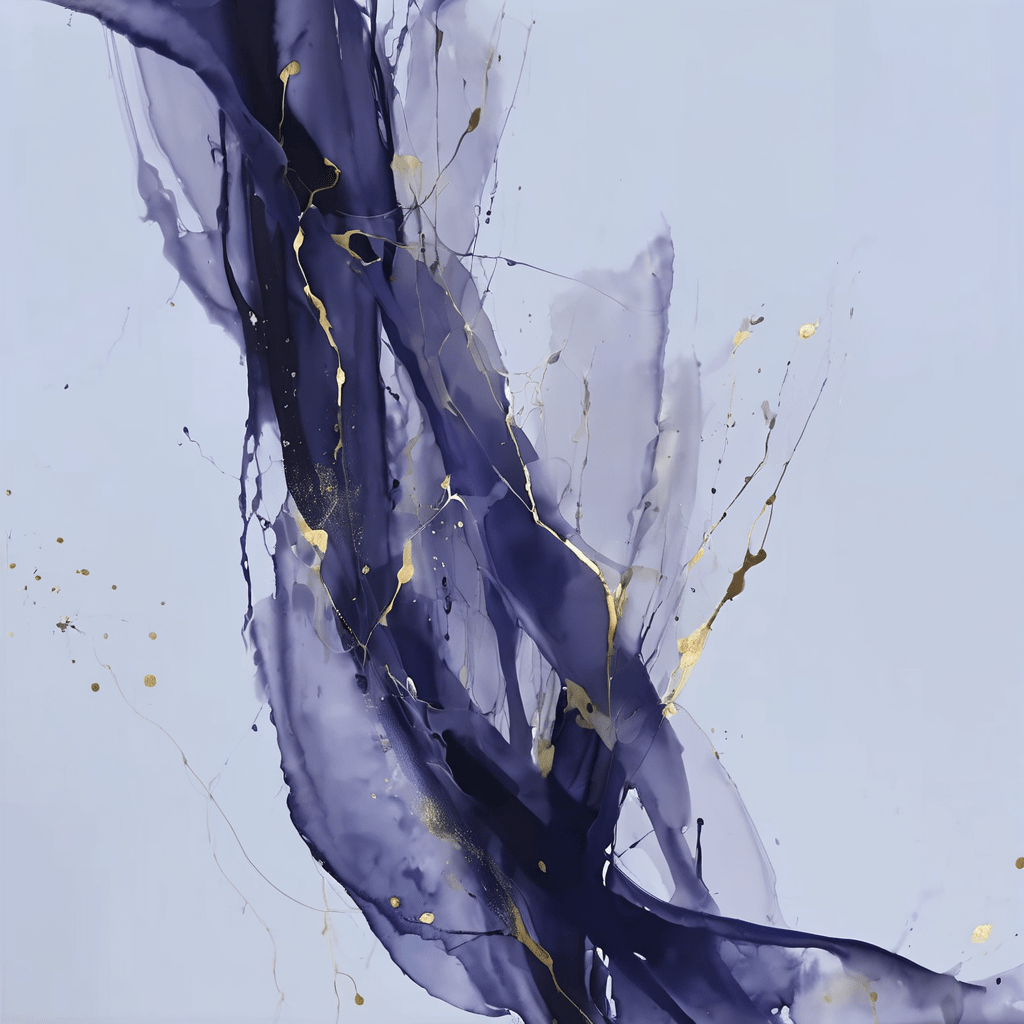
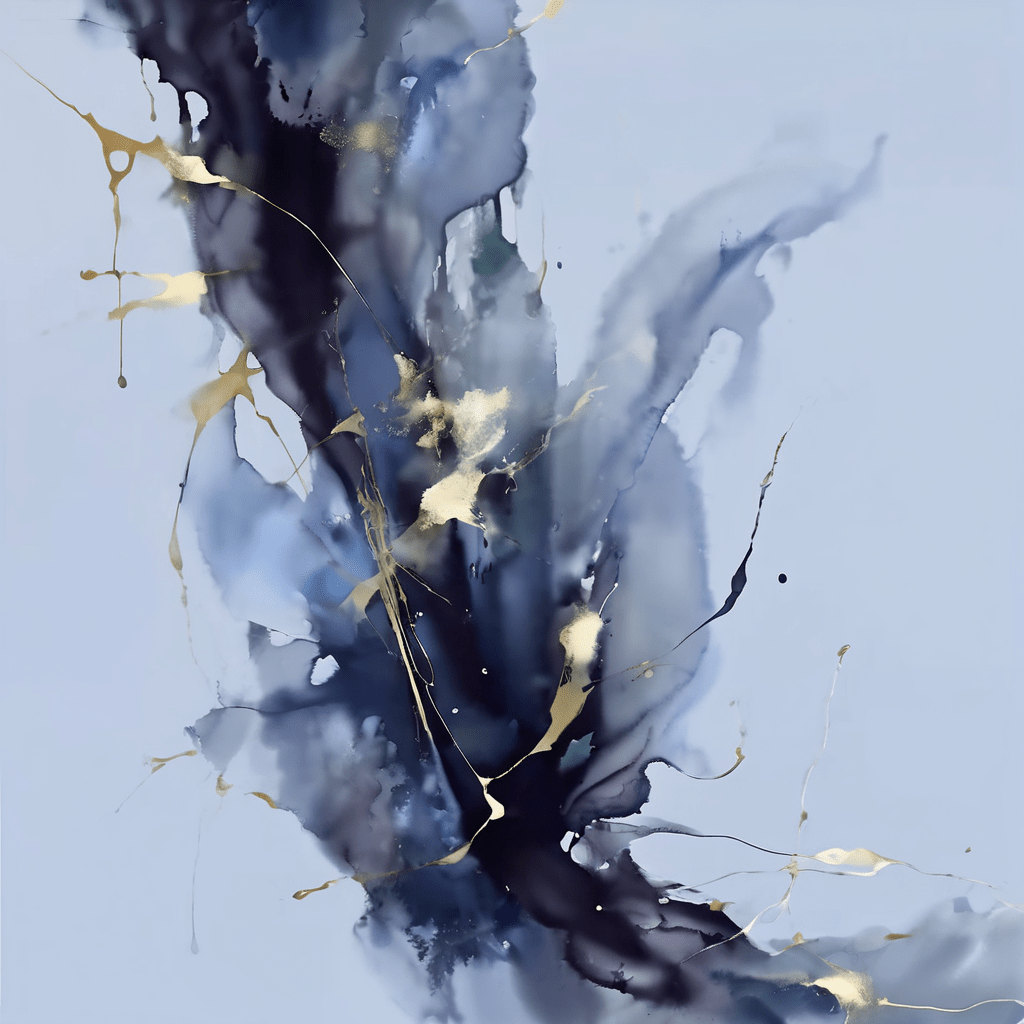
AI styles
real brush sample
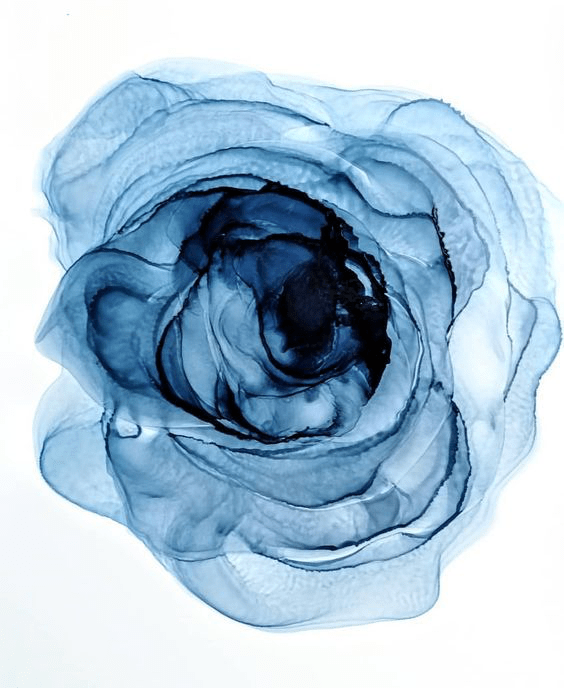
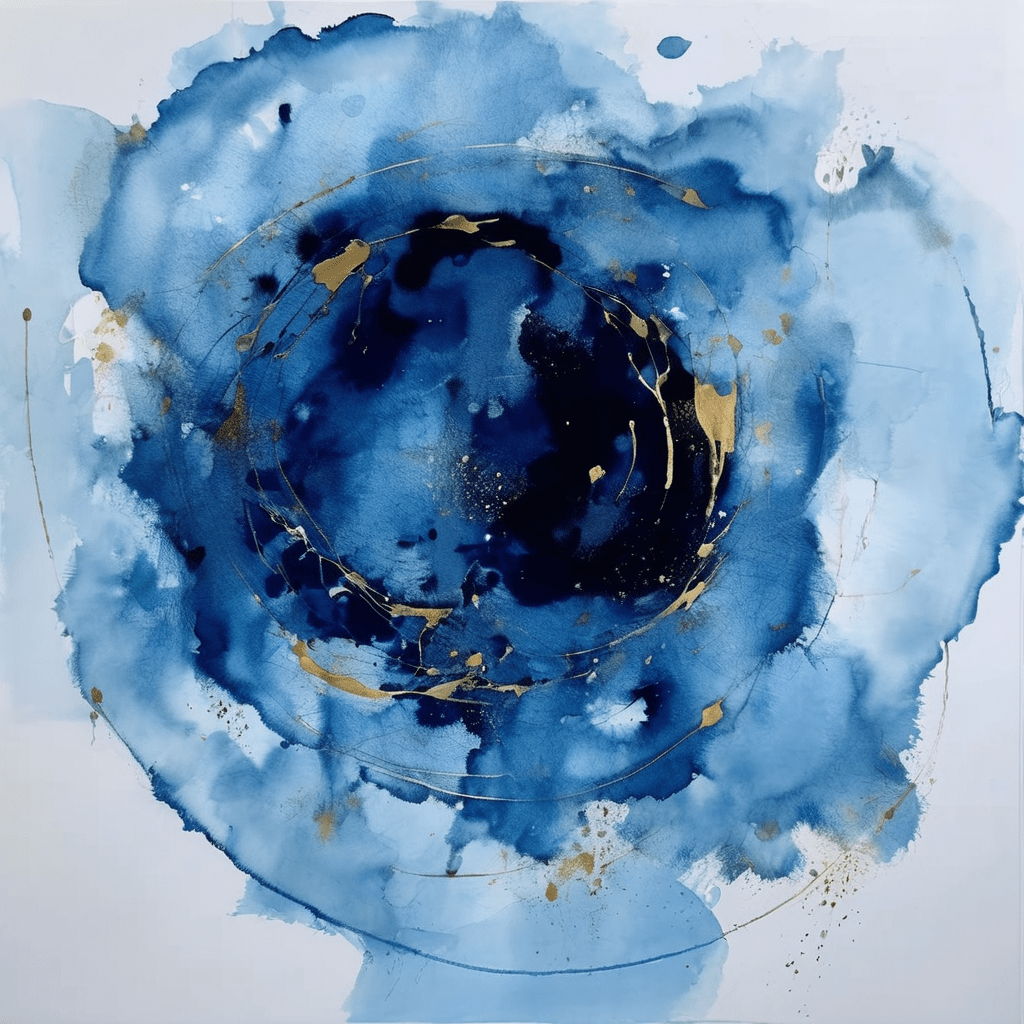
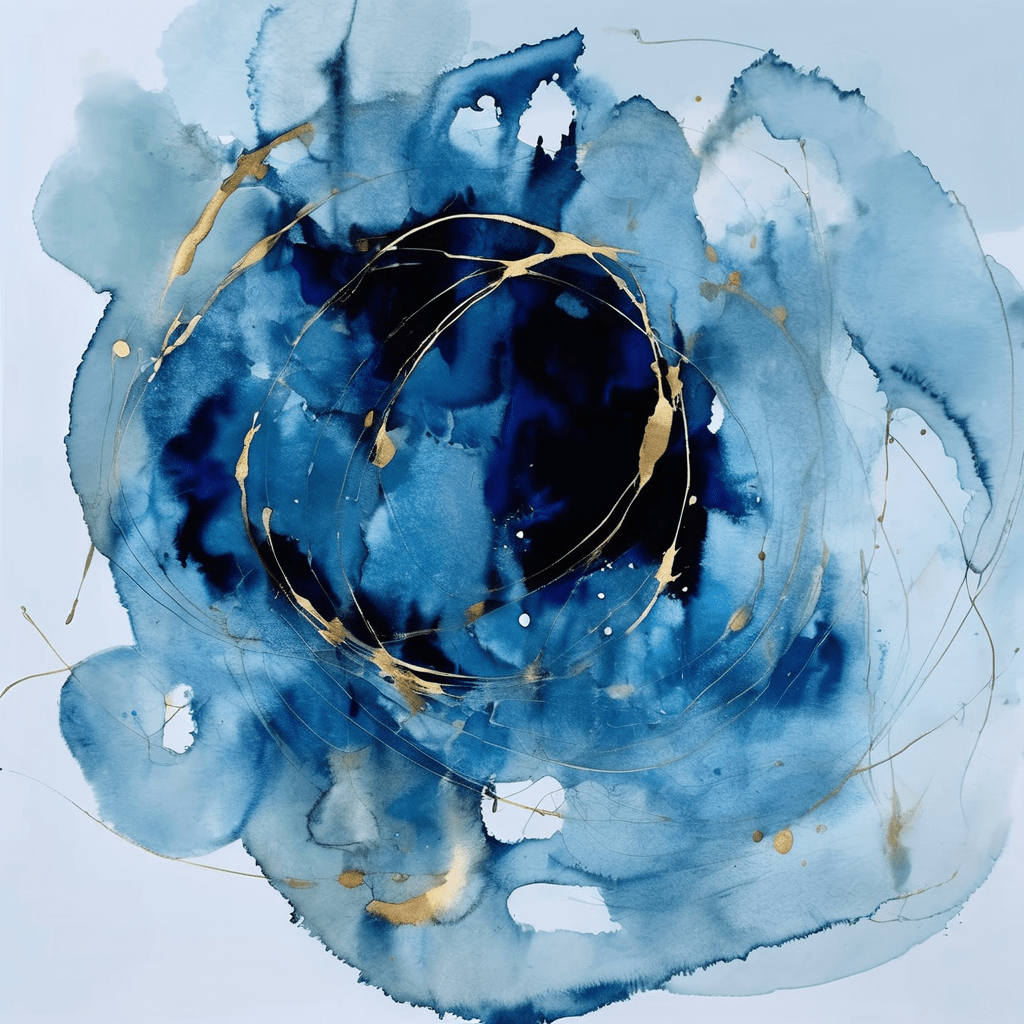
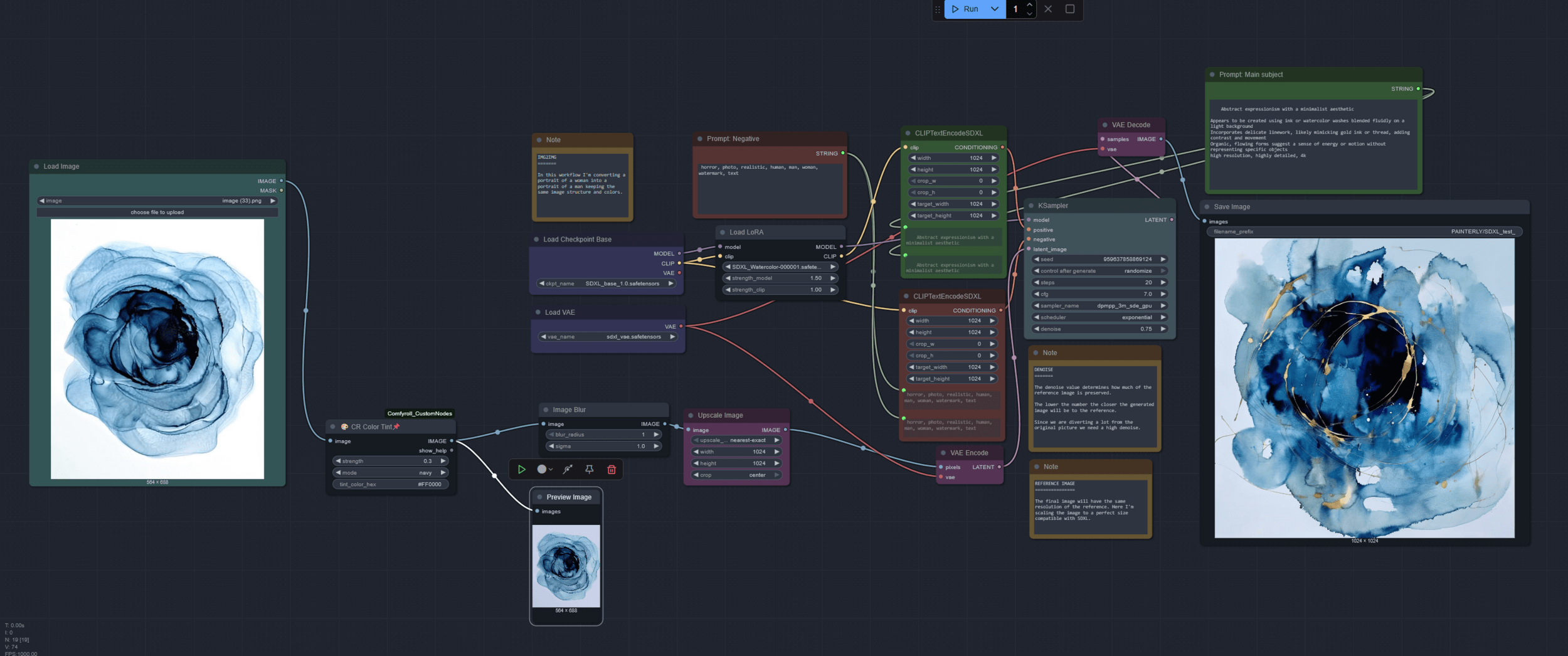
real brush sample
key real brush sample






THANK YOU VETS
Purina Pro Plan | Immersive Experience Proposal
May 20th
Installation Proposal
Neuronal Tests
We are developing a software to emulate a kaleidoscope and better imagine how neural data transfer might work,
including the dataset of photos and words, and a kaleidoscopic visualization.
Using the first software test, we can see how raw data is visualized as if it was information between neurons. This generates a sense of energy and connection between the users and the result.
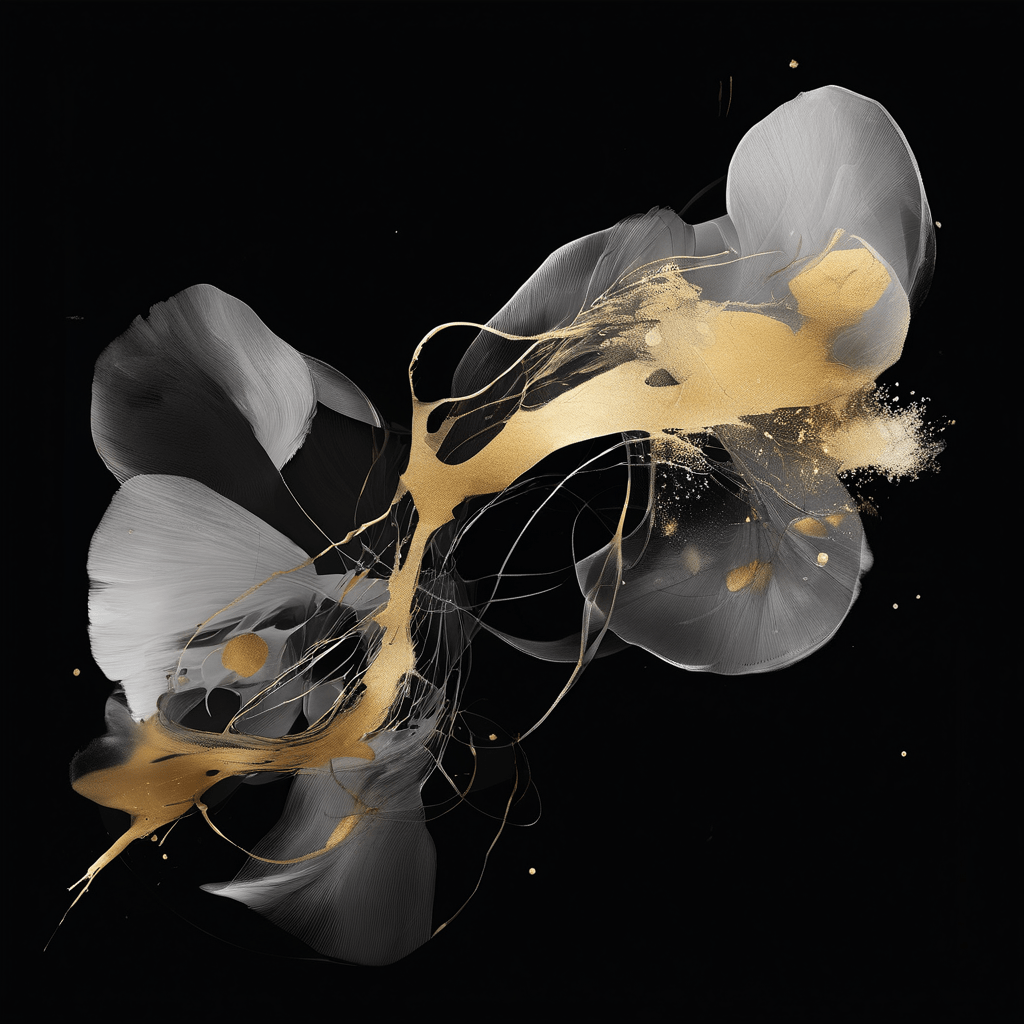
An initial visual test where we interpret neural data using elements that resemble a living painting, forming unique flower-shaped creations. This is a first artistic approach that combines the user's dataset, the user's neural information, and an artistic algorithm.
Ballpark
These numbers include the full development of the necessary software:
· Software to transform the datasets onto our server and generate the timeline
· Software to analyse neural data and convert it into visual decision data
· Software for real-time visualisation
It also includes artistic direction, concept creation phase, technological direction, production, engineering, and all human costs associated with the complete development of the project.
It also covers the materials needed for the prototyping phase, 3 5-channel neural headsets (development, installation and backup), servers, and an approximate estimate of the total cost for creating and installing one final kaleidoscopic structure.
These numbers do not include the adaptation of the installation space (which will need to be defined with the client), travel, accommodation, or any other contingencies that may arise due to changes in the creativity proposal.
Cost breakdown:
— Development phase (including all human costs): between 120.000 and 130.000€
— Materials needed during the development phase (R&D + 3 neural headsets + prototype): between 15.000 and 20.000€
— Final kaleidoscope structure (on-site): between 30.000 and 35.000€
Lower execution case:
Instead of the 5-channel neural headset, we would use a 2-channel one that could work simultaneously with a VR headset.
Total cost of these materials: between 3800 and 4500€ (including VR headset -1 unit-, 2-channel neural headset -3 units-, and server).
If we decided to go with this option, the total cost of the project (development + materials) would be between 124.000 and 134.000€
Cost estimation: between 165.000 and 185.000€
Timing
The total development time for the project is 4 months, divided into the following phases:
1. Mid-June to mid-July: R&D on neural data acquisition + R&D on visual execution
2. Mid-July to mid-September: Programming of the software that transforms the datasets onto our server and creates the timeline, programming of the software that analyses the neural data into visual decision data, and programming of the software for real-time visualisation
3. Mid-September until final delivery and installation: Testing & debugging, installation on-site
R&D
Development
Testing & Delivery
Mid-June - Mid-July
Mid-July - Mid-September
Mid-September - Event date
THANK YOU VETS
Purina Pro Plan | Immersive Experience Proposal
May 14th
The Art of Caring
An emotional, collective, and artistic experience where gratitude takes shape.
Purina invites the veterinary community to an immersive art installation where their emotions, stories, and care will be transformed into living, generative artworks.
A space to reflect, feel, and celebrate the invisible bonds between vets, pets, and their families.
Concept & Vision
Real Moments, Real Emotions
Weeks before the event: collecting photos and words from vets and pet owners. Moments of healing, connection, and gratitude, captured through images and short phrases.
Our goal is to create an emotional dataset to feed our generative algorithm. These will be the assets shaping the heart and soul of the experience.
Collective Memory: Gathering Real Moments
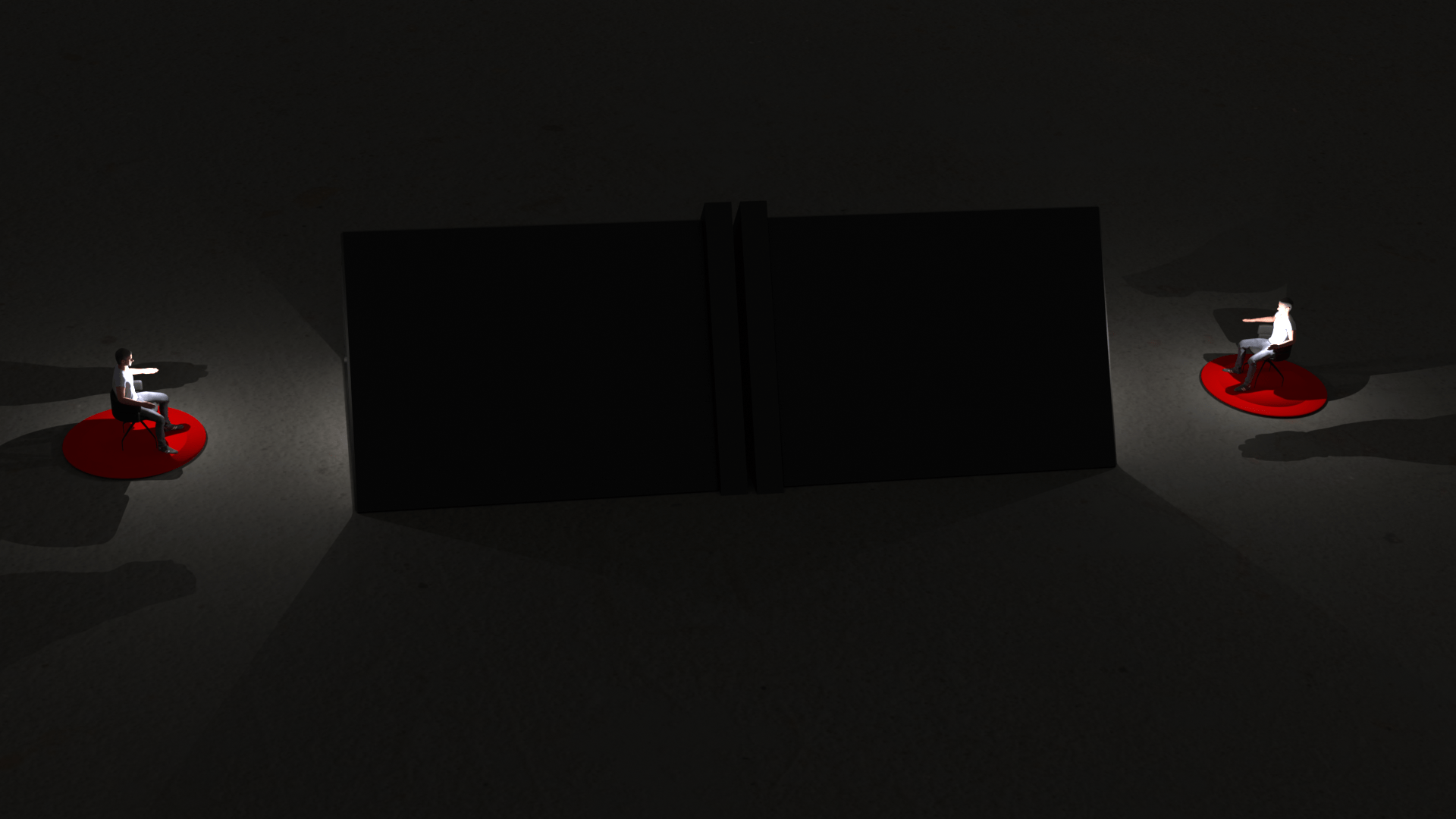
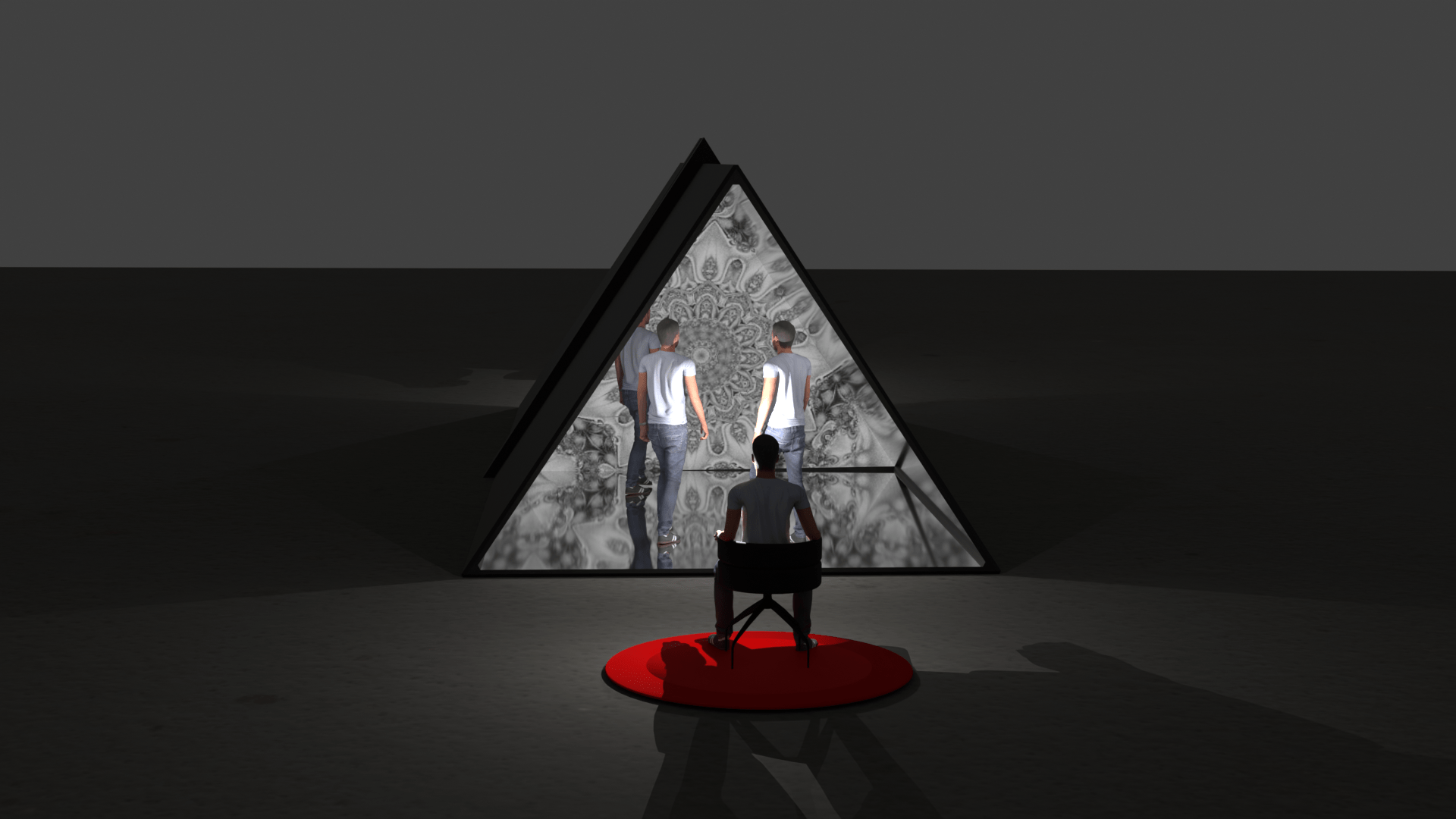
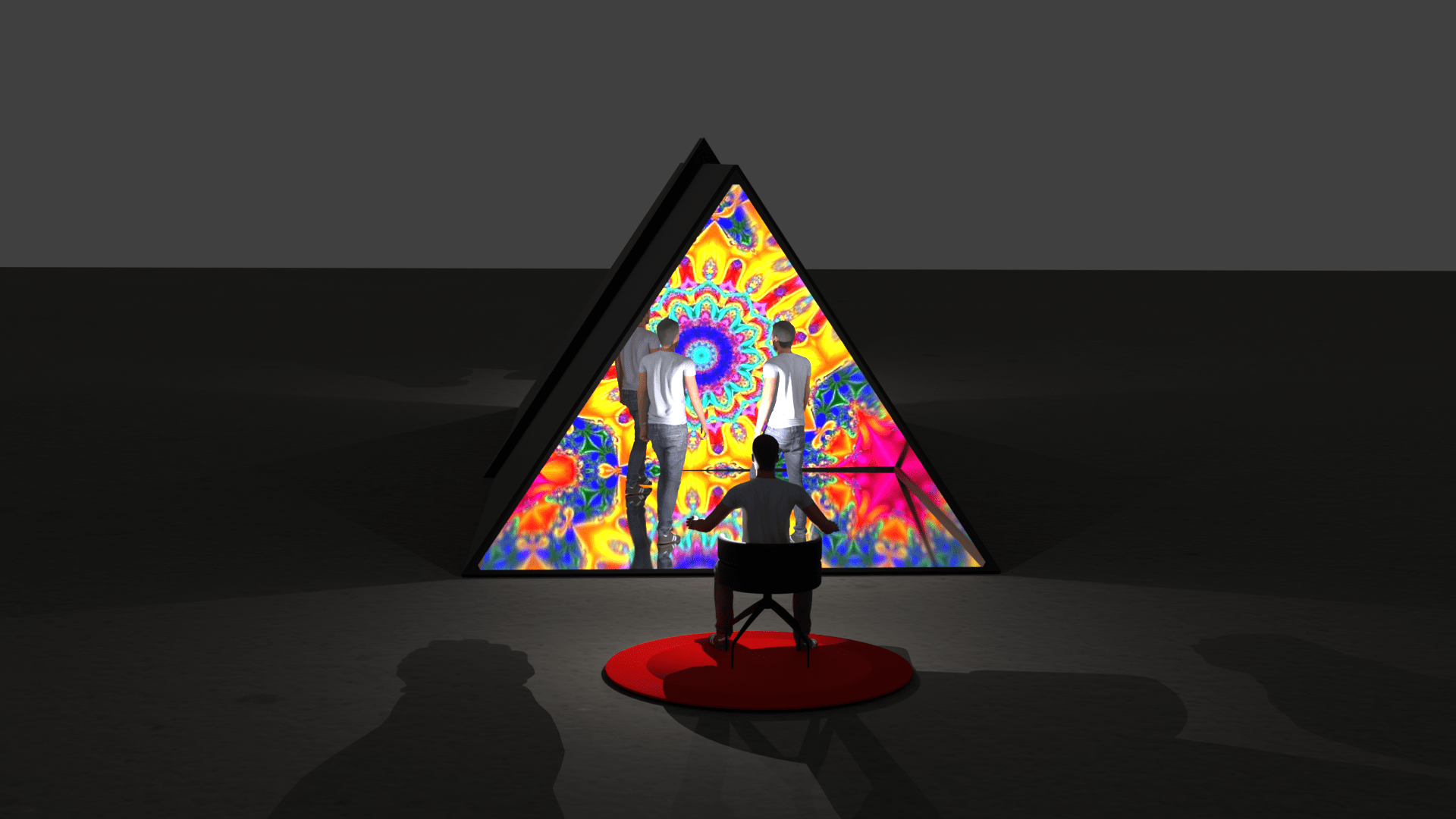
Visitors who wish to participate will sit at the end of an immersive kaleidoscope tunnel, facing an LED screen. They will wear a neural headset that captures real-time brain activity, detecting their emotional responses.
Then, through an iPad in front of them, they will select one of five specially crafted emotional clips. These clips are carefully curated audiovisual journeys, each built from photos and phrases collected from vets and pet owners during the pre-event phase.
They combine these images with poetic captions and an immersive, custom-composed soundscape.
Each clip invites visitors to relive moments of care, healing, and emotional connection between pets, families, and vets.
The Installation: The Gratitude Kaleidoscope

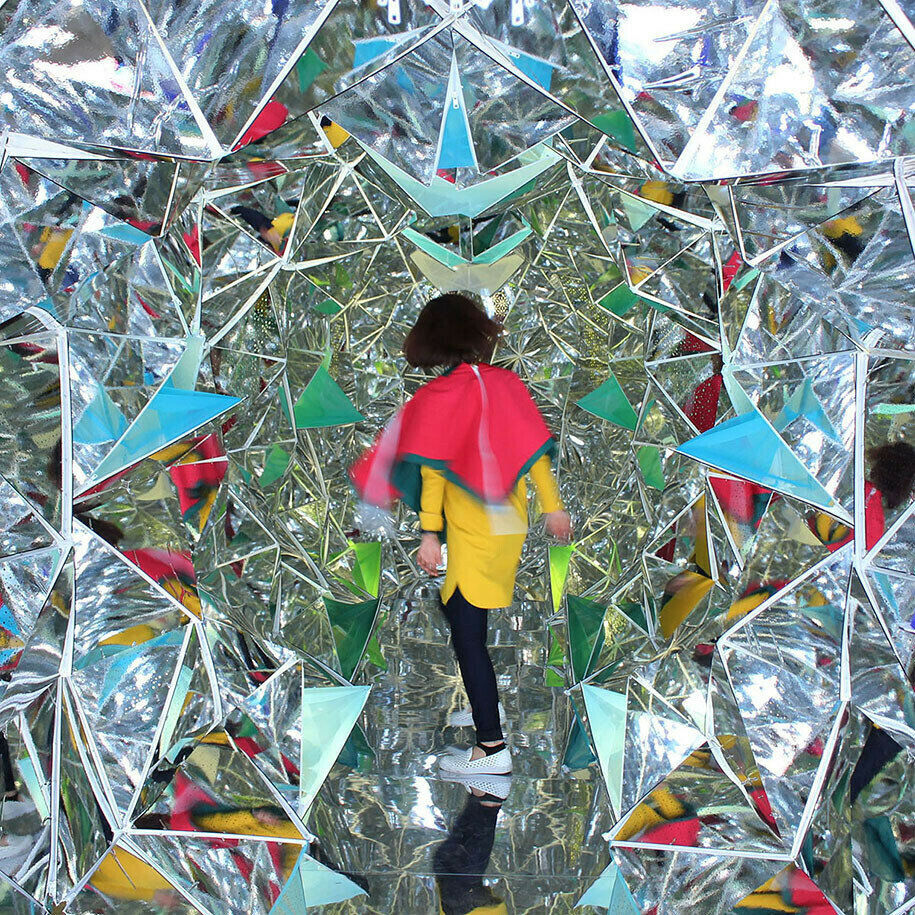
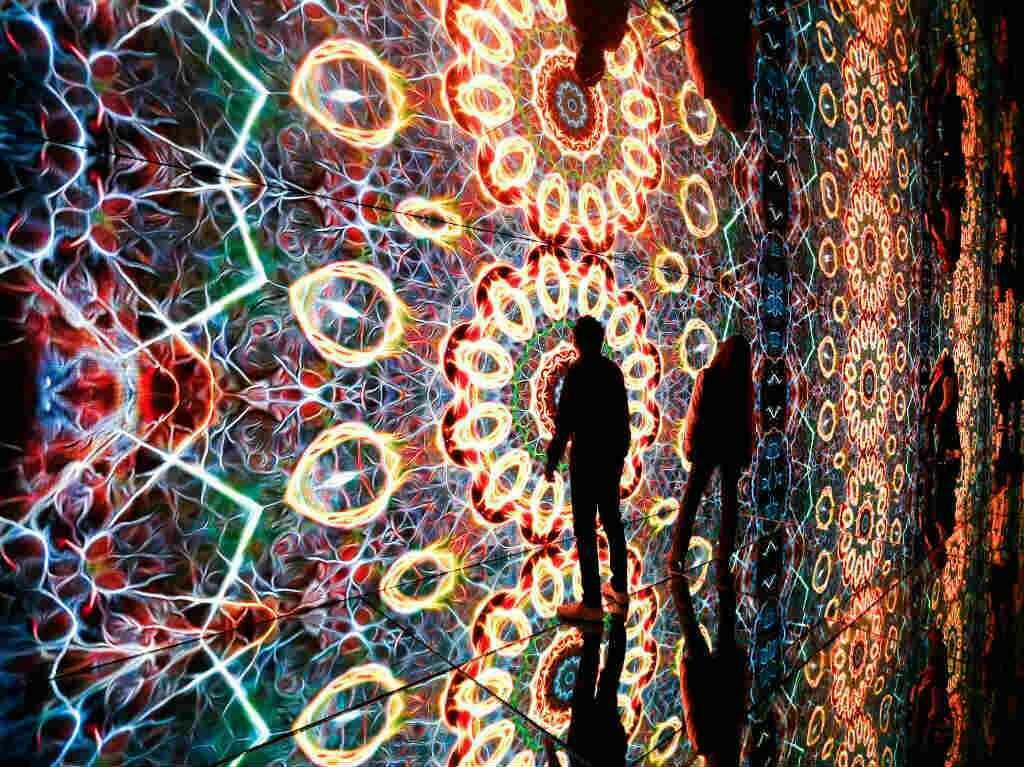
The Installation: The Gratitude Kaleidoscope

How it works:
-
While the visitor watches the clip on the iPad, the neural headset captures their brainwaves, focusing on emotional responses like joy, empathy, and awe.
-
This scientific data becomes the raw material for our real-time generative art algorithm, which transforms the visitor’s emotions into unique, evolving digital artworks.
-
The resulting piece is projected onto the kaleidoscope’s LED screen, while the mirrors amplify and multiply the experience into a mesmerising, immersive art environment.
-
Simultaneously, other visitors can walk inside the kaleidoscope and witness the live creation of the artwork, becoming part of a collective moment.
The Installation: The Gratitude Kaleidoscope

The Installation: The Gratitude Kaleidoscope
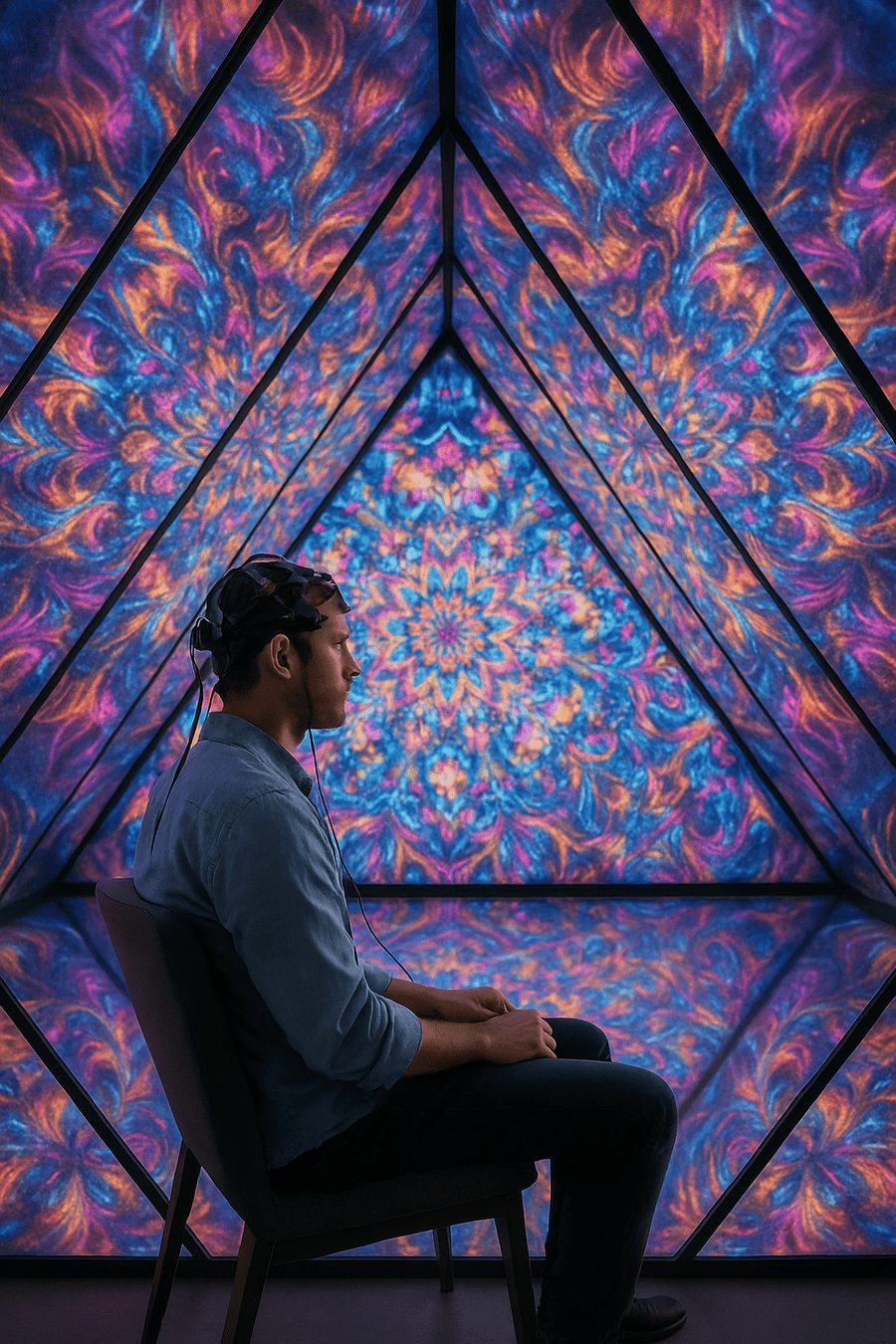
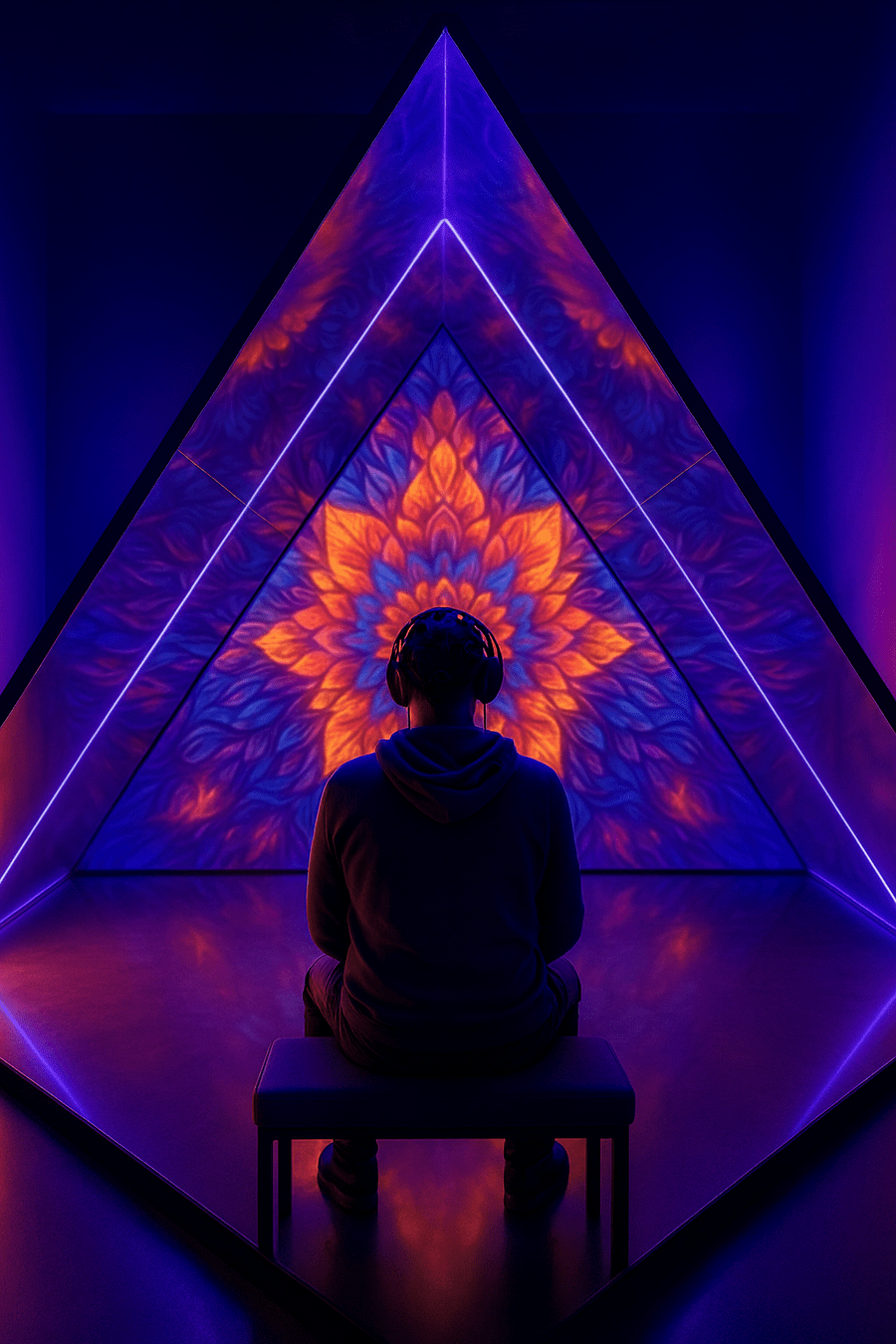
By using a device such as a kaleidoscope, we enable the user to connect with their past and childhood, turning the experience into something intimate and emotional.
The Installation: The Gratitude Kaleidoscope
From personal emotion to collective memory
Each generated piece will be tagged with its date and time.
All pieces will be displayed on screens at the main booth, and a digital archive and a web app will allow everyone to revisit the virtual kaleidoscopes.
Emotional Legacy & Collective Artwork
Ideas for the future
· All artworks created during the event will continue to live beyond the experience.
· Give visitors the option to revisit their creations through a custom web app, designed to display their unique kaleidoscopic artwork.
· Creation of a physical cardboard kaleidoscope with a QR code to relive their creation anytime, anywhere.
The installation becomes an emotional legacy, a gift from the veterinary community to itself and the world.
A permanent, shareable archive celebrating the invisible connections between vets, pets, and families.
Beyond the Kaleidoscope
THANK YOU
